
[논문 리뷰] The Dawn of AI-Native EDA: Opportunities and Challenges of Large Circuit Models
AI4EDA에서 AI-네이티브 EDA로의 전환을 제안하고 설계 단계 전반에 걸쳐 다양한 회로 데이터를 통합하는 대형 다중모달 회로 모델(LCMs)을 옹호하여 합성, 검증, 최적화를 향상시키려는 시각.
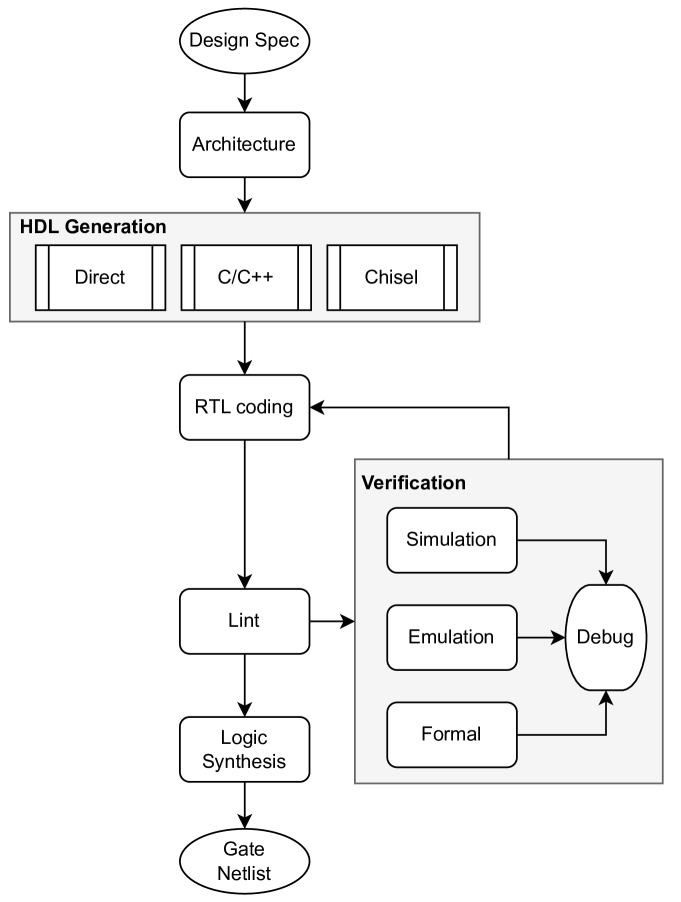
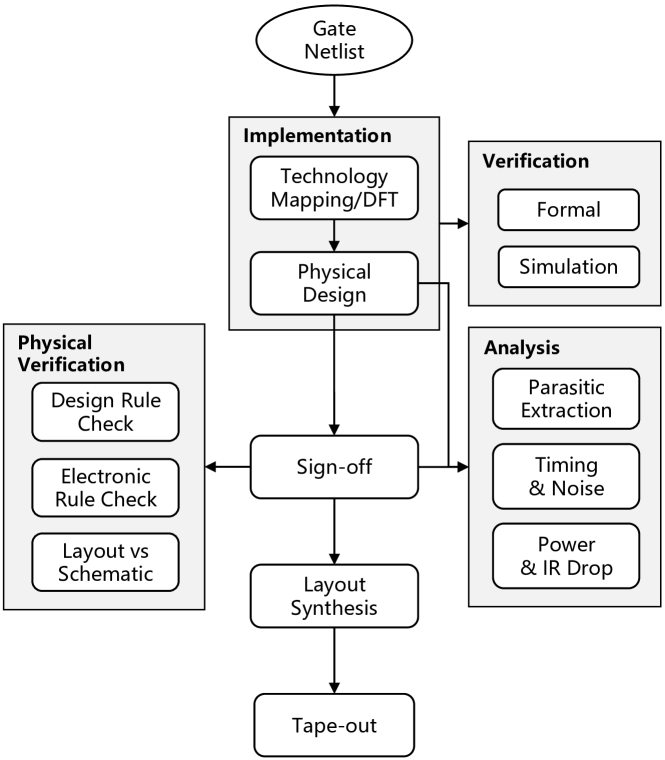
Within the Electronic Design Automation (EDA) domain, AI-driven solutions have emerged as formidable tools, yet they typically augment rather than redefine existing methodologies. These solutions often repurpose deep learning models from other domains, such as vision, text, and graph analytics, applying them to circuit design without tailoring to the unique complexities of electronic circuits. Such an AI4EDA approach falls short of achieving a holistic design synthesis and understanding, overlooking the intricate interplay of electrical, logical, and physical facets of circuit data. This paper argues for a paradigm shift from AI4EDA towards AI-native EDA, integrating AI at the core of the design process. Pivotal to this vision is the development of a multimodal circuit representation learning technique, poised to provide a comprehensive understanding by harmonizing and extracting insights from varied data sources, such as functional specifications, RTL designs, circuit netlists, and physical layouts. We champion the creation of large circuit models (LCMs) that are inherently multimodal, crafted to decode and express the rich semantics and structures of circuit data, thus fostering more resilient, efficient, and inventive design methodologies. Embracing this AI-native philosophy, we foresee a trajectory that transcends the current innovation plateau in EDA, igniting a profound shift-left in electronic design methodology. The envisioned advancements herald not just an evolution of existing EDA tools but a revolution, giving rise to novel instruments of design tools that promise to radically enhance design productivity and inaugurate a new epoch where the optimization of circuit performance, power, and area (PPA) is achieved not incrementally, but through leaps that redefine the benchmarks of electronic systems' capabilities.
연구 동기 및 목표
- 회로 고유의 복잡성을 보다 잘 포착하기 위해 AI4EDA에서 AI-native EDA로의 패러다임 변화를 촉진한다.
- 명세, RTL, 넷리스트, 레이아웃의 데이터를 조화롭게 다루는 다중모달 회로 표현 학습을 옹호한다.
- 설계 생산성 및 PPA를 향상시키기 위해 다양한 회로 데이터를 통합할 수 있는 대형 회로 모델(LCMs)을 제안한다.
- 설계 프로세스 초기에 문제를 식별하는 Shift-left 접근법을 가능하게 할 잠재력을 강조한다.
제안 방법
- 회로에 맞춘 전용 파운데이션 모델 개발을 주장하며, 각 설계 모달리티에 대해 별도 표현을 가진다.
- 다중모달 LCM의 기초로 단일 모달 회로 표현 학습을 개요한다.
- 설계 의도를 보존하면서 설계 단계 간 표현을 정렬하고 통합하는 기법을 논의한다.
- 자연어처리(NLP), 비전, 다중모달 학습에서 파운데이션 모델에서 영감을 받은 잠재 아키텍처와 학습 패러다임을 검토한다.
- 고수준 명세와 저수준 물리적 레이아웃을 통합하는 LCM 구축 로드맵을 제안한다.
실험 결과
연구 질문
- RQ1설계 단계 전반에 걸쳐 회로 데이터를 다중모달로 표현하기 위해 LCM을 어떻게 설계할 수 있는가?
- RQ2AI4EDA에서 AI-native EDA로의 전환에서 주요 도전과 기회는 무엇인가?
- RQ3명세에서 물리적 레이아웃까지 설계 의도를 보존하기 위해 다중모달 표현을 어떻게 정렬할 수 있는가?
- RQ4LCMs가 EDA의 설계 생산성, PPA 및 출시 기간에 어떤 영향을 미칠 수 있는가?
주요 결과
- LCMs는 다양한 회로 데이터 유형을 통합하고 해석하여 통일된 설계 서사를 구축하는 비전을 제공한다.
- AI-native EDA는 AI 보조를 넘어서 AI를 핵심 설계 프로세스에 밀접하게 내재시키는 것을 목표로 한다.
- 다중모달 회로 표현 학습은 회로 데이터의 의미론과 구조를 해독하는 데 필수적인 것으로 제안된다.
- Shift-left 설계 방법론은 개발 초기에 병목 현상과 잠재적 문제의 식별을 간소화할 수 있다.
- 본 관점은 데이터 부족 및 확장성 도전에 주의하며 프런트엔드, 백엔드 및 특화 회로 도메인 전반에 걸친 잠재적 활용을 개요한다.
더 나은 연구,지금 바로 시작하세요
연구 설계부터 논문 작성까지, 연구 시간을 획기적으로 줄여보세요.
카드 등록 없음 · 무료 플랜 제공
이 리뷰는 AI가 만들고, 인간 에디터가 검토했습니다.