
[논문 리뷰] The Media Bias Taxonomy: A Systematic Literature Review on the Forms and Automated Detection of Media Bias
이 논문은 Media Bias Taxonomy를 제시하고, 미디어 편향 탐지에 관한 3,140편의 논문(2019–2022)을 체계적으로 문헌 검토하며, 트랜스포머 기반의 진전과 학제 간의 격차를 강조한다.
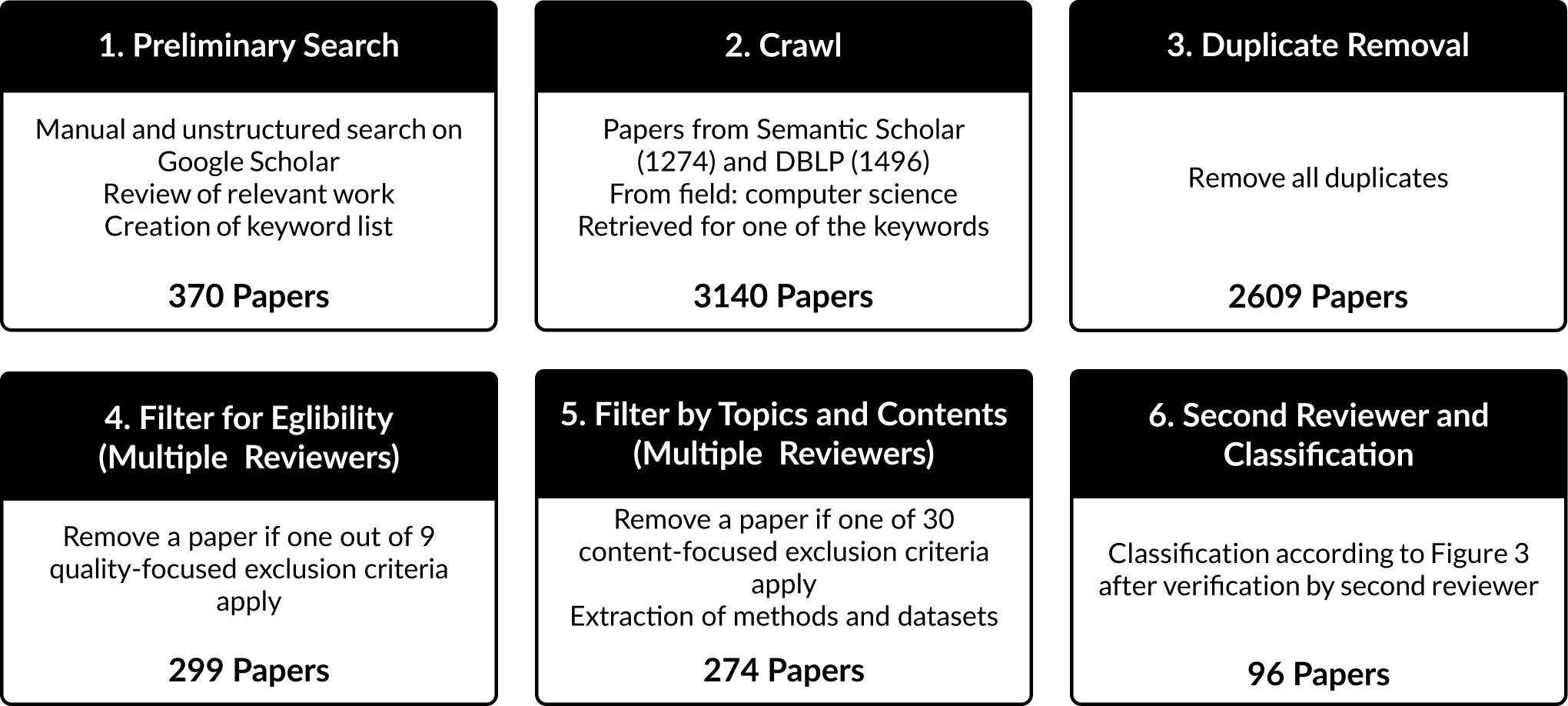
The way the media presents events can significantly affect public perception, which in turn can alter people's beliefs and views. Media bias describes a one-sided or polarizing perspective on a topic. This article summarizes the research on computational methods to detect media bias by systematically reviewing 3140 research papers published between 2019 and 2022. To structure our review and support a mutual understanding of bias across research domains, we introduce the Media Bias Taxonomy, which provides a coherent overview of the current state of research on media bias from different perspectives. We show that media bias detection is a highly active research field, in which transformer-based classification approaches have led to significant improvements in recent years. These improvements include higher classification accuracy and the ability to detect more fine-granular types of bias. However, we have identified a lack of interdisciplinarity in existing projects, and a need for more awareness of the various types of media bias to support methodologically thorough performance evaluations of media bias detection systems. Concluding from our analysis, we see the integration of recent machine learning advancements with reliable and diverse bias assessment strategies from other research areas as the most promising area for future research contributions in the field.
연구 동기 및 목표
- 학제 간의 개념과 용어를 정리하기 위한 통합된 Media Bias Taxonomy를 개발한다.
- 미디어 편향 탐지에 대한 컴퓨터 과학 기여를 요약하고 방법을 분류한다.
- 편향 탐지 시스템을 개선하기 위한 데이터 세트와 평가 관행을 평가한다.
- 갭을 식별하고 기계 학습과 사회 과학 관점을 통합하기 위한 방향을 제안한다.
제안 방법
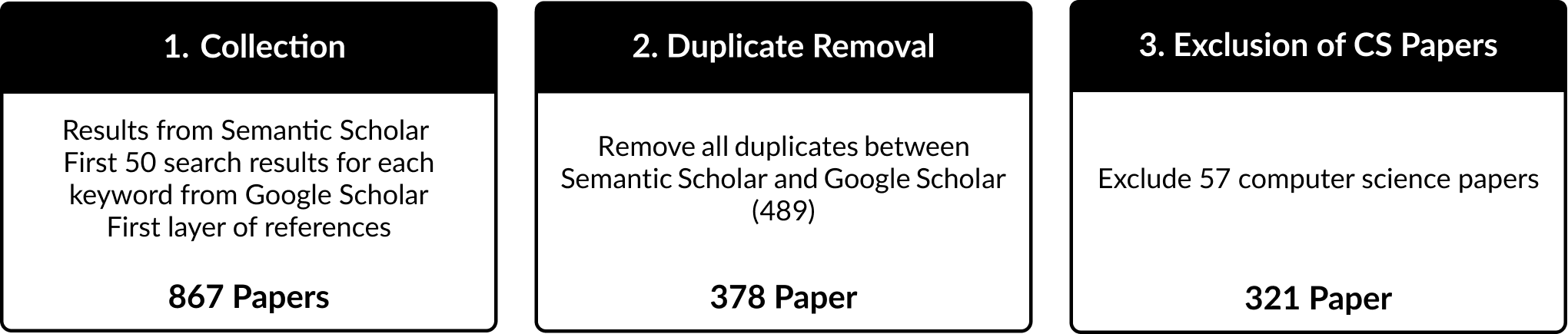
- DBLP 및 Semantic Scholar에서 자동화된 키워드 기반 문헌 검색을 사용하여 후보 논문을 수집한다.
- 수동 선별 및 다단계 선정을 적용하여 편향 탐지에 컴퓨터 과학 방법을 사용하는 논문을 식별한다.
- 언어적, 맥락적, 인지적, 보도 차원의 편향 개념을 통합하여 Media Bias Taxonomy를 개발하고 제시한다.
- 전통적 NLP, 간단한 ML, 트랜스포머 및 비트랜스포머 ML, 비신경망, 그래프 기반 접근법을 포함한 여섯 가지 범주로 컴퓨터 과학 방법을 분류한다.
실험 결과
연구 질문
- RQ1RQ1: 문헌에서 다양한 형태의 편향 간의 관계는 무엇인가?
- RQ2RQ2: 미디어 편향을 자동으로 식별하는 방법의 주요 발전은 무엇인가?
- RQ3RQ3: 미디어 편향을 자동으로 식별하는 데 가장 유망한 CS 방법은 무엇인가?
- RQ4RQ4: 사회과학 연구는 미디어 편향에 어떻게 접근하고, 그것이 CS 연구에 어떻게 도움이 될 수 있는가?
주요 결과
- 미디어 편향 탐지는 매우 활발한 분야이며, 트랜스포머 기반 분류가 더 높은 정확도와 더 세밀한 편향 탐지를 보인다.
- 현존 프로젝트에서 학제 간 협력 부족과 편향 유형의 전체 스펙트럼에 대한 인식 부족이 심화된 평가를 방해한다.
- 다른 학문 분야의 신뢰할 수 있고 다양한 편향 평가 전략과 최신 ML 발전의 통합이 필요하다.
- Media Bias Taxonomy는 심리학, 언어학, 사회학의 개념을 CS 방법과 연결하여 더 명확한 평가 및 비교를 지원한다.
더 나은 연구,지금 바로 시작하세요
연구 설계부터 논문 작성까지, 연구 시간을 획기적으로 줄여보세요.
카드 등록 없음 · 무료 플랜 제공
이 리뷰는 AI가 만들고, 인간 에디터가 검토했습니다.