
[Paper Review] Large Language Models Humanize Technology
This paper argues that large language models (LLMs) have emergent abilities to humanize technology by overcoming three key mechanizing bottlenecks: creating diverse and accessible content, enabling non-experts to learn complex digital tools, and personalizing machine learning systems. Through case-based examples, it demonstrates how LLMs can make technology more accessible across language, occupation, and ability divides, advocating for broader understanding, user-centered tools, and cross-institutional capacity to ensure equitable diffusion of societal benefits.
Large Language Models (LLMs) have made rapid progress in recent months and weeks, garnering significant public attention. This has sparked concerns about aligning these models with human values, their impact on labor markets, and the potential need for regulation in further research and development. However, the discourse often lacks a focus on the imperative to widely diffuse the societal benefits of LLMs. To qualify this societal benefit, we assert that LLMs exhibit emergent abilities to humanize technology more effectively than previous technologies, and for people across language, occupation, and accessibility divides. We argue that they do so by addressing three mechanizing bottlenecks in today's computing technologies: creating diverse and accessible content, learning complex digital tools, and personalizing machine learning algorithms. We adopt a case-based approach and illustrate each bottleneck with two examples where current technology imposes bottlenecks that LLMs demonstrate the ability to address. Given this opportunity to humanize technology widely, we advocate for more widespread understanding of LLMs, tools and methods to simplify use of LLMs, and cross-cutting institutional capacity.
Motivation & Objective
- To address the imbalance in public discourse on LLMs, which focuses heavily on risks while underemphasizing their potential to democratize access to technology.
- To identify and illustrate three mechanizing bottlenecks in current technology that hinder accessibility and equity: content creation, tool learning, and algorithm personalization.
- To demonstrate through concrete cases how LLMs can address these bottlenecks across diverse populations, including non-experts, multilingual users, and people with disabilities.
- To advocate for a three-pronged agenda: wider public understanding of LLMs, development of user-empowering tools, and cross-institutional collaboration to scale equitable LLM applications.
Proposed method
- Adopt a case-based approach to illustrate how LLMs overcome bottlenecks in content creation, tool learning, and algorithm personalization using fictional but representative user scenarios.
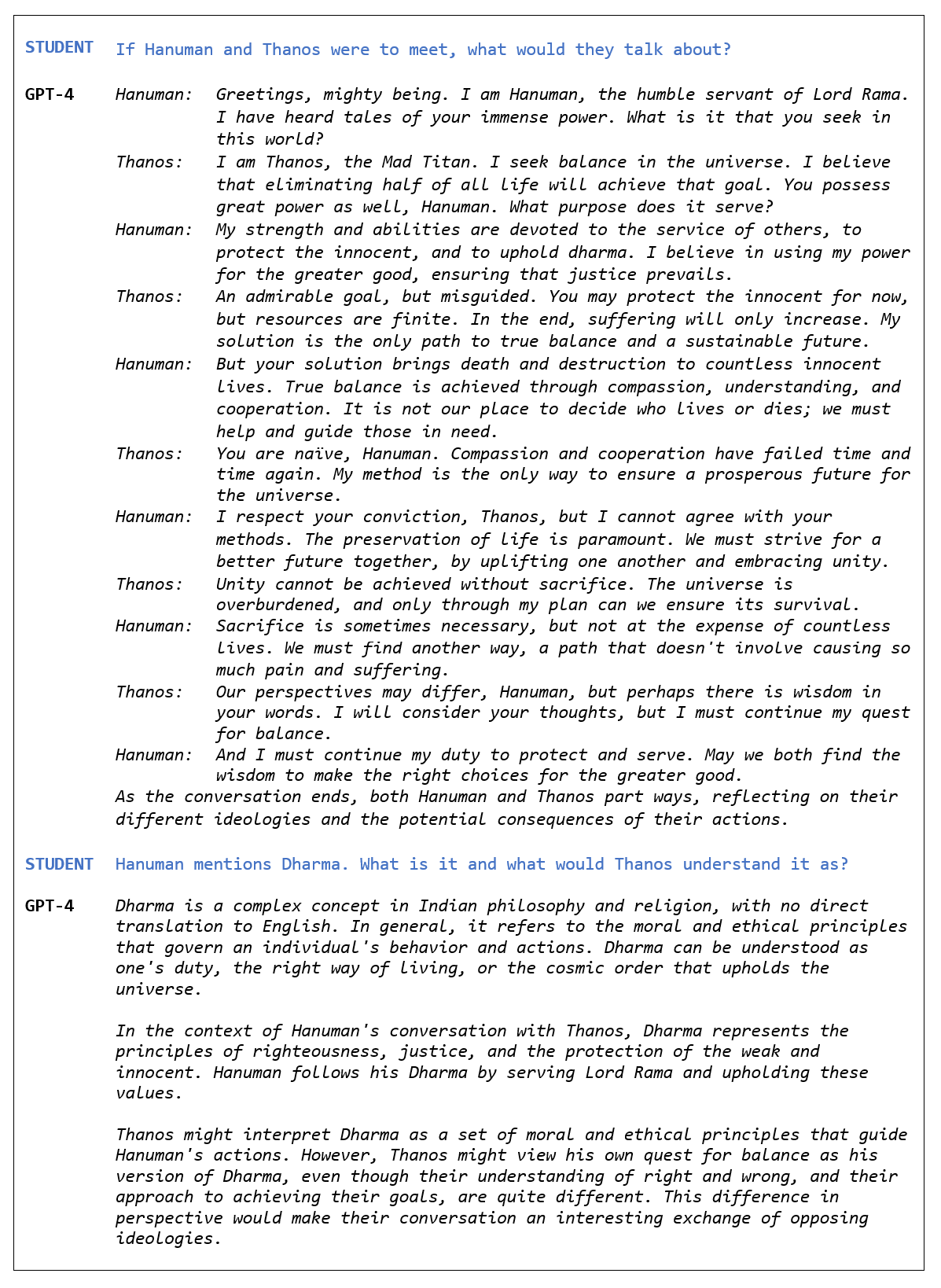
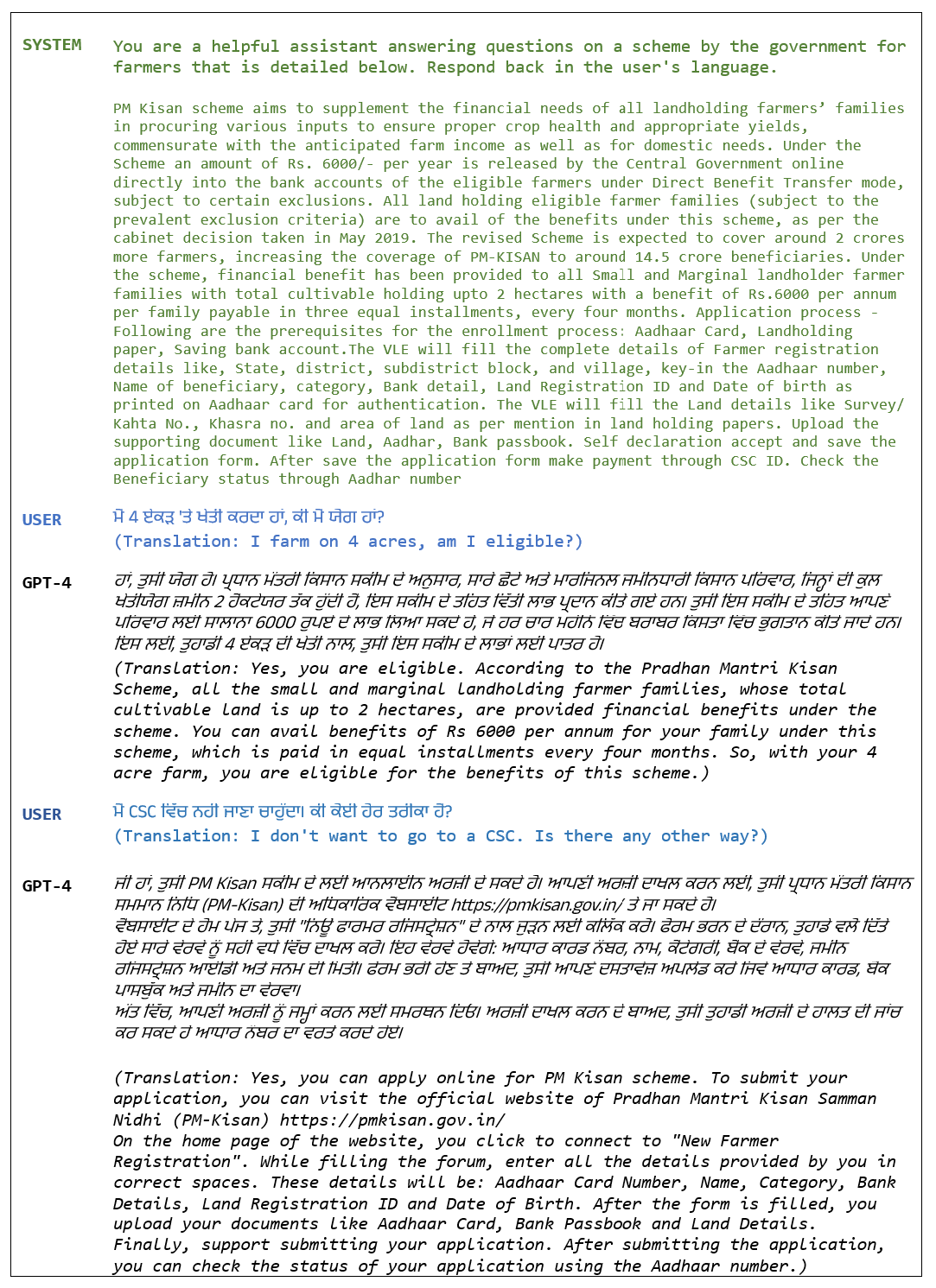
- Use real-world examples such as a teacher generating multilingual, accessible e-learning content and a domestic worker using a LLM-powered financial advisor app.
- Propose that LLMs enable non-technical users to interact with complex systems by translating natural language into executable actions or code.
- Emphasize the need for tools that embed human agency, allowing users to define guardrails and pedagogical intent when using LLMs.
- Advocate for open-source LLMs and accessible compute infrastructure to enable equitable innovation and deployment.
- Call for cross-institutional collaboration—across academia, government, and industry—modeled on successful Digital Public Goods (DPG) initiatives like India’s Aadhaar system.
Experimental results
Research questions
- RQ1How can LLMs reduce barriers in creating diverse and accessible digital content for non-expert users across languages and abilities?
- RQ2In what ways can LLMs lower the learning curve for using complex digital tools among non-technical users?
- RQ3How can LLMs enable personalization of machine learning systems without requiring technical expertise from end users?
- RQ4What institutional and technical frameworks are needed to ensure equitable access and responsible deployment of LLMs at scale?
- RQ5How can user agency and community-driven innovation be embedded in LLM-based applications to promote fairness and sustainability?
Key findings
- LLMs demonstrate emergent abilities to humanize technology by enabling non-experts to create accessible, multilingual content, such as a teacher generating personalized, inclusive e-learning materials.
- LLMs can significantly reduce the barrier to learning complex digital tools, as shown in the case of a domestic worker using a LLM-powered financial advisor to manage household budgets.
- LLMs enable personalization of machine learning systems through natural language prompts, allowing users to tailor models to their specific needs without coding.
- The open-source LLM ecosystem—such as LLaMA, Alpaca, and Vicuna—has already enabled domain-specific model development, demonstrating potential for equitable innovation.
- Cross-institutional capacity, modeled on Digital Public Goods, is essential for scaling LLMs in ways that ensure public benefit, sovereignty, and long-term sustainability.
- The success of LLMs in humanizing technology depends not only on model capabilities but also on tools that embed human agency and community collaboration.
Read this paper
Open the full text in the Nubint reader and ask about any passage as you read.
Read this paper on NubintThis review was generated by AI from the original paper. Please check the paper before citing it.