
[Paper Review] MambaLithium: Selective state space model for remaining-useful-life, state-of-health, and state-of-charge estimation of lithium-ion batteries
MambaLithium uses a selective state space model (Mamba) to estimate RUL, SOH, and SOC for Li-ion batteries, achieving higher accuracy than a recent baseline across multiple datasets.
Recently, lithium-ion batteries occupy a pivotal position in the realm of electric vehicles and the burgeoning new energy industry. Their performance is heavily dependent on three core states: remaining-useful-life (RUL), state-of-health (SOH), and state-of-charge (SOC). Given the remarkable success of Mamba (Structured state space sequence models with selection mechanism and scan module, S6) in sequence modeling tasks, this paper introduces MambaLithium, a selective state space model tailored for precise estimation of these critical battery states. Leveraging Mamba algorithms, MambaLithium adeptly captures the intricate aging and charging dynamics of lithium-ion batteries. By focusing on pivotal states within the battery's operational envelope, MambaLithium not only enhances estimation accuracy but also maintains computational robustness. Experiments conducted using real-world battery data have validated the model's superiority in predicting battery health and performance metrics, surpassing current methods. The proposed MambaLithium framework is potential for applications in advancing battery management systems and fostering sustainable energy storage solutions. Source code is available at https://github.com/zshicode/MambaLithium.
Motivation & Objective
- Motivate accurate estimation of RUL, SOH, and SOC for Li-ion batteries to enhance battery management and safety.
- Leverage the Mamba selective state space framework to capture aging and charging dynamics.
- Develop a data-driven prediction pipeline with normalized features and regression targets for battery states.
Proposed method
- Process features per cycle (omega, b, T, r, tau, dQ/dV stats) and per time step (I, V, T) with z-score normalization.
- Employ Mamba (S6) to model temporal dependencies with a selection mechanism and a scan module for focused information extraction.
- Use N=16 hidden state dimension and a regression head to predict RUL, SOH, or SOC via L1 loss.
- Train with Adam optimizer on NVIDIA GTX3060, 100 epochs, learning rate 0.01.

Experimental results
Research questions
- RQ1Can MambaLithium improve RUL and SOH estimation accuracy over the current state-of-the-art baseline?
- RQ2How well does MambaLithium perform SOC estimation across datasets and temperatures?
- RQ3Does the selective state-space approach effectively capture aging and charging dynamics in Li-ion batteries?
Key findings
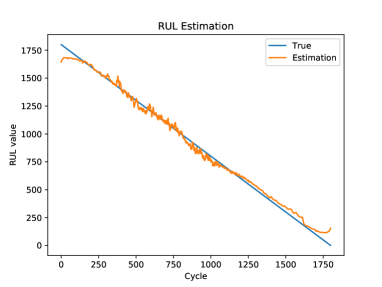
- RUL estimation: MambaLithium achieves RMSE values (CaseA 39.71, CaseB 47.62) vs Baseline (CaseA 45.86, CaseB 56.29).
- SOH estimation: MambaLithium yields SOH RMSE (CaseA 0.40, CaseB 0.38) vs Baseline (CaseA 0.47, CaseB 0.42).
- SOC estimation: on FUDS at 25 C, RMSE improves from 1.78 to 1.45 with MambaLithium; at DST and US06 room temp, RMSEs are 1.62 and 0.95 respectively for MambaLithium.
- MambaLithium demonstrates superior accuracy and robust performance across datasets and temperatures compared to the baseline method.
- Source code available at https://github.com/zshicode/MambaLithium.
Read this paper
Open the full text in the Nubint reader and ask about any passage as you read.
Read this paper on NubintThis review was generated by AI from the original paper. Please check the paper before citing it.