
[論文レビュー] A New Forced Photometry Service for the Zwicky Transient Facility
本論文は ZTF Forced Photometry Service (ZFPS)、そのバッチ対応ワークフロー、アーキテクチャ、および差分画像から公表用品質の光曲線を生成するフォトメトリ手法を説明する。
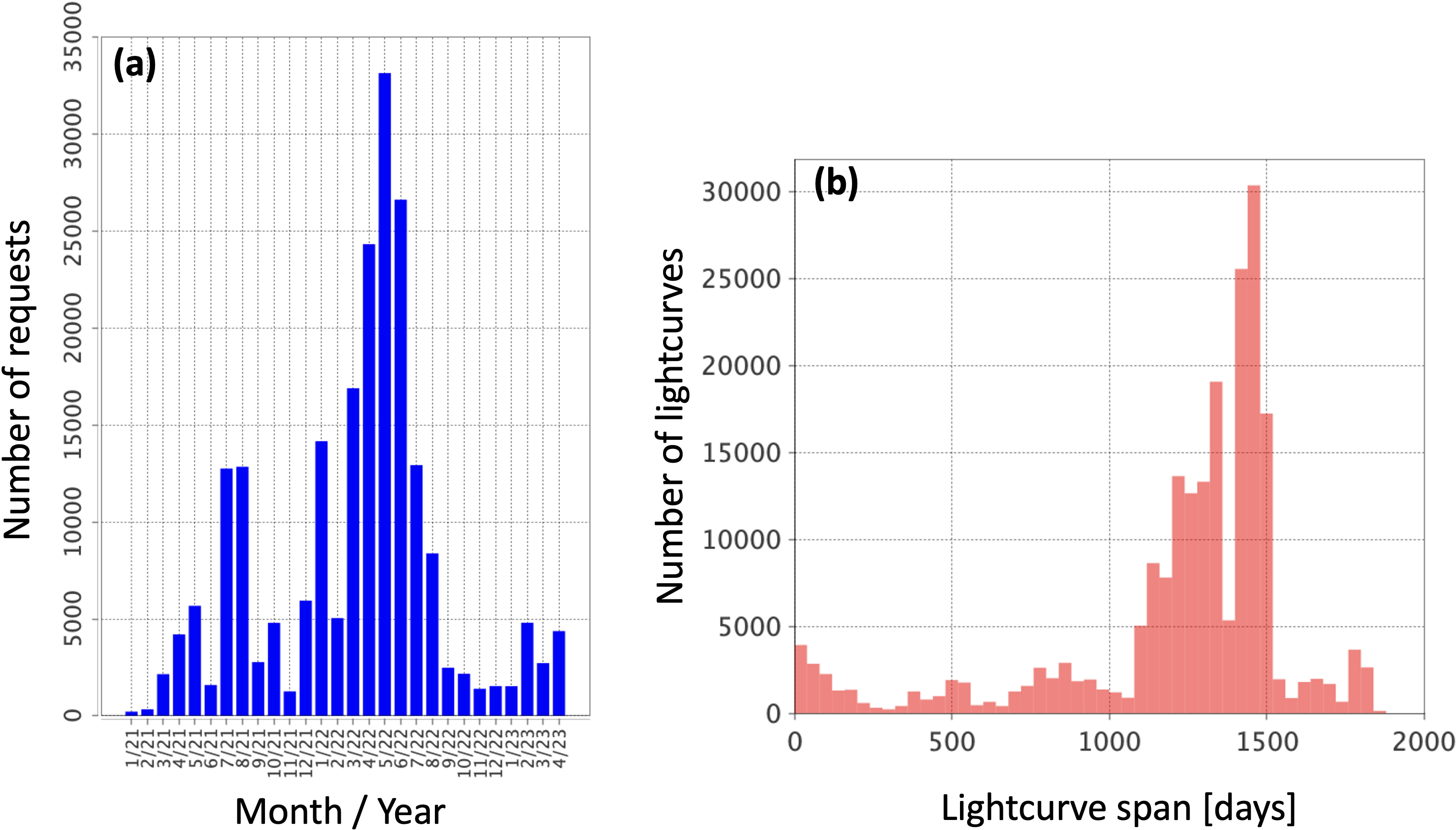
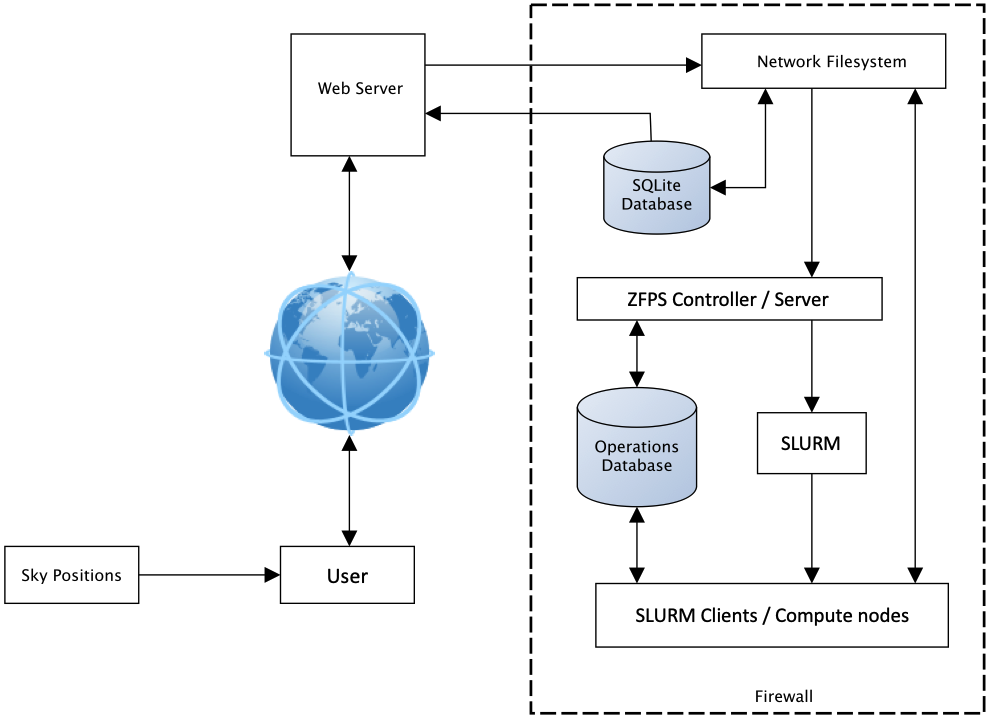
We describe the Zwicky Transient Facility (ZTF) Forced Photometry Service (ZFPS) as developed and maintained by the ZTF Science Data System Team at IPAC/Caltech. The service is open for public use following a subscription. The ZFPS has been operational since early 2020 and has been used to generate publication quality lightcurves for a myriad of science programs. The ZFPS has been recently upgraded to allow users to request forced-photometry lightcurves for up to 1500 sky positions per request in a single web-application submission. The underlying software has been recoded to take advantage of a parallel processing architecture with the most compute-intensive component rewritten in C and optimized for the available hardware. The ZTF processing cluster consists of 66 compute nodes, each hosting at least 16 physical cores. The compute nodes are generally idle following nightly real-time processing of the ZTF survey data and when other ad hoc processing tasks have been completed. The ZFPS and associated infrastructure at IPAC/Caltech therefore enable thousands of forced-photometry lightcurves to be generated along with a wealth of quality metrics to facilitate analyses and filtering of bad quality data prior to scientific use.
研究の動機と目的
- ZTFデータにおける単一エポックの検出閾値を下回る測定を回収するための forced photometry の必要性を動機づける。
- ZFPSをバッチ処理サービスとして設計・展開・運用する方法を説明する。
- 光度測定の方法論、性能面の考慮事項、光曲線の作成に用いられるデータ品質指標の詳細を述べる。
- リクエストの提出、結果の取得、出版物品質の光曲線の作成に関するユーザー向けガイドを提供する。
提案手法
- 1回のリクエストで最大1500の天空位置を可能にするバッチ提出ワークフロー。
- Cベースの多重スレッドPSFフィット光度測定と差分画像スタンプ上のアパーチャ光度測定。
- 中心位置推定とフラックス抽出の精度を高めるため、PSFとスタンプを5倍にアップサンプリング。
- 信頼性の高い光曲線を保証するための品質フラグ、ベースライン補正、および不確かさ検証。
- 基線処理および上限値の計算を含む、差分フラックスを較正済み等級へ変換する。
実験結果
リサーチクエスチョン
- RQ1ZTFデータにおいて、1回の提出で多数の天空位置を扱えるよう forced photometry をどのように規模拡大できるか?
- RQ2ZTFクラスタ上で大規模に forced-photometry 光曲線を処理するための性能、メモリ、および計算要件は何か?
- RQ3差分画像からの微分フラックス測定を科学的利用のためにどのように処理・検証・較正済み等級へ変換すべきか?
- RQ4ZFPSから信頼性の高い光曲線を作成するために必要な品質指標と基線補正は何か?
- RQ5ZFPSの結果を提出、監視、取得するための実用的な運用ガイドラインは何か?
主な発見
- ZFPSは現在、1回の提出につき最大1500の天空位置のバッチ処理をサポートしており、初期バージョンに比べて処理速度が大幅に向上している。
- サービスは66ノードのクラスターで実行され、ノードあたり少なくとも16コアを持ち、並行処理とPSFフィット光度測定用のCコアを活用している。
- 光度測定は25x25ピクセルの差分画像スタンプ上で行われ、125x125にアップサンプリングされ、出力にはPSFフィットフラックス、フラックス不確かさ、およびアパーチャ光度測定が含まれる。
- 信号品質のフィルタリング、基線補正、および不確かさの検証を強調して、非検出を上限値で扱うなど、信頼できる光曲線の作成を重視している。
- 光曲線にはエポックごとのステータスコードとメタデータが含まれており、公開品質の利用に向けた堅牢なフィルタリングと解析を可能にする。
より良い研究を、今すぐ始めましょう
論文設計から論文執筆まで、研究時間を劇的に削減しましょう。
クレジットカード登録不要
このレビューはAIが作成し、人間の編集者が確認しました。