
[論文レビュー] Critical Infrastructure Protection: Generative AI, Challenges, and Opportunities
本論文は、Critical Infrastructure Protection (CIP) の脅威、信頼性/プライバシー/回復力の要件、そしてGenerative AIとLLMsをCIPライフサイクルへ統合したものを、セクター別の適用と今後の方向性とともに概観している。
Critical National Infrastructure (CNI) encompasses a nation's essential assets that are fundamental to the operation of society and the economy, ensuring the provision of vital utilities such as energy, water, transportation, and communication. Nevertheless, growing cybersecurity threats targeting these infrastructures can potentially interfere with operations and seriously risk national security and public safety. In this paper, we examine the intricate issues raised by cybersecurity risks to vital infrastructure, highlighting these systems' vulnerability to different types of cyberattacks. We analyse the significance of trust, privacy, and resilience for Critical Infrastructure Protection (CIP), examining the diverse standards and regulations to manage these domains. We also scrutinise the co-analysis of safety and security, offering innovative approaches for their integration and emphasising the interdependence between these fields. Furthermore, we introduce a comprehensive method for CIP leveraging Generative AI and Large Language Models (LLMs), giving a tailored lifecycle and discussing specific applications across different critical infrastructure sectors. Lastly, we discuss potential future directions that promise to enhance the security and resilience of critical infrastructures. This paper proposes innovative strategies for CIP from evolving attacks and enhances comprehension of cybersecurity concerns related to critical infrastructure.
研究の動機と目的
- Critical National Infrastructure (CNI) が直面するサイバーセキュリティと信頼性の課題、および統合保護の必要性を評価する。
- CIPを形成する信頼性・プライバシー・回復力の要件と規制基準を検討する。
- 安全とセキュリティの共同分析(SSCA)とCIPへの統合を調査する。
- Generative AIとLLMsを活用し、適切に調整されたライフサイクルとセクター別アプリケーションを備えた包括的なCIP手法を提案する。
- 重要インフラのセキュリティと回復力を高めるための今後の方向性を概説する。
提案手法
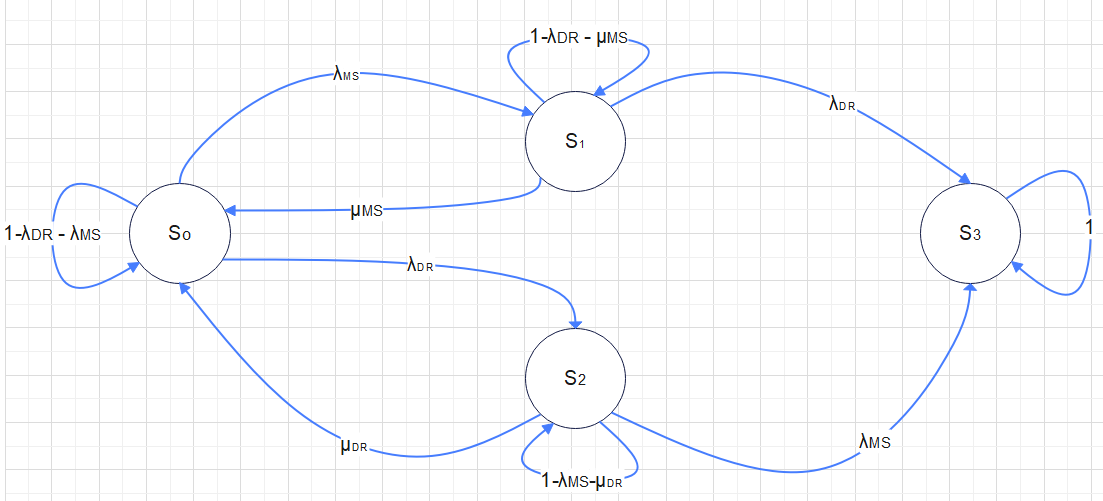
- Weibull分析、マルコフ連鎖、モンテカルロシミュレーションを含むCNIの信頼性技術をレビューする。
- CNIに対するサイバー脅威と、それらが信頼性と継続性へ与える潜在的影響を分析する。
- 規制枠組み(例: GDPR、HIPAA、PDPA)における信頼性・プライバシー・回復力要件と、それらがCIPに及ぼす影響を検討する。
- 安全とセキュリティ (SSCA) の共同分析を探求し、安全とセキュリティの考慮事項を統合するアプローチを提示する。
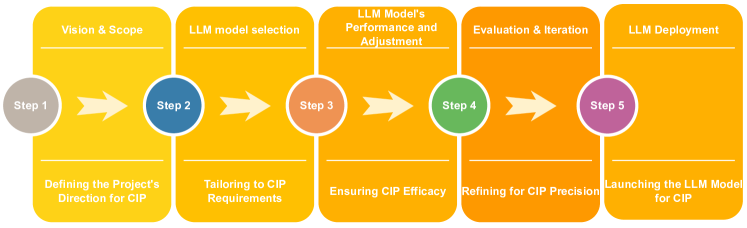
- five-step LLM lifecycle (Vision & Scope, Model Selection, Performance & Adjustment, Evaluation & Iteration, Deployment) を備えた、Generative AIとLLMベースのCIP手法を提示する。
- CIP内のエネルギーグリッド保護、自動化されたインシデント対応、規制/コンプライアンス文書作成におけるLLMsの適用を示す。
実験結果
リサーチクエスチョン
- RQ1Critical National Infrastructures (CNIs) が直面するサイバーセキュリティと信頼性の課題は何で、それらはどのように相互作用するのか?
- RQ2信頼性・プライバシー・回復力の要件は、地域を超えたCIPの標準と実践をどのように形作るのか?
- RQ3Generative AIとLLMsをCIPライフサイクルに合わせて調整・統合し、回復力とセキュリティを向上させるには?
- RQ4エネルギー、水、交通などのセクターにまたがるCIPにおけるLLMsの実用的な適用と制約は何か?
- RQ5AI対応のCIPソリューションを展開する際の今後の方向性と課題は何か?
主な発見
- CIPの信頼性分析は、Weibull、Markov連鎖、モンテカルロシミュレーションを利用して保守と回復力を評価・改善するのに役立つ。
- マルウェア、ランサムウェア、サプライチェーン攻撃、フィッシング、DDoS、SQLインジェクション、ゼロデイ攻撃などのサイバー脅威はCNIsを脅かし、セクター横断で連鎖する可能性がある。
- 信頼性・プライバシー・回復力の要件は地域と規制によって異なり、多層防御とコンプライアンス戦略を必要とする。
- 安全とセキュリティは相互依存しており、SSCAを統合することで重要セクターにおける事故予防とインシデント対応を改善できる。
- CIPのfive-step LLMライフサイクル(Vision & Scope, Model Selection, Performance & Adjustment, Evaluation & Iteration, Deployment)は、CIP特化のモデル開発とデプロイを可能にする。
- 適用例として、エネルギーグリッドでの予測的脅威分析、交通機関での自動化されたインシデント対応、水処理施設での自動ポリシー/コンプライアンス報告作成などが挙げられ、データプライバシーやデータセット構築といった課題も認識される。
より良い研究を、今すぐ始めましょう
論文設計から論文執筆まで、研究時間を劇的に削減しましょう。
クレジットカード登録不要
このレビューはAIが作成し、人間の編集者が確認しました。