
[論文レビュー] Design optimisation of piezoelectric energy harvesters for bridge infrastructure
本稿では、橋梁における圧電エネルギー発電素子(PEH)の形状最適化フレームワークを、等参画的解析(IGA)、モード次元削減(MOR)、粒子群最適化(PSO)を用いて提案する。交通による振動を想定した実環境下でエネルギー出力を最大化することを目的とする。本手法は、従来の周波数チューニング手法に比べ、イベントベースの最適設計を特定し、1台の車両あたり最大7.8 µJ、1日あたり2.5 mJの連続的発電を達成する。
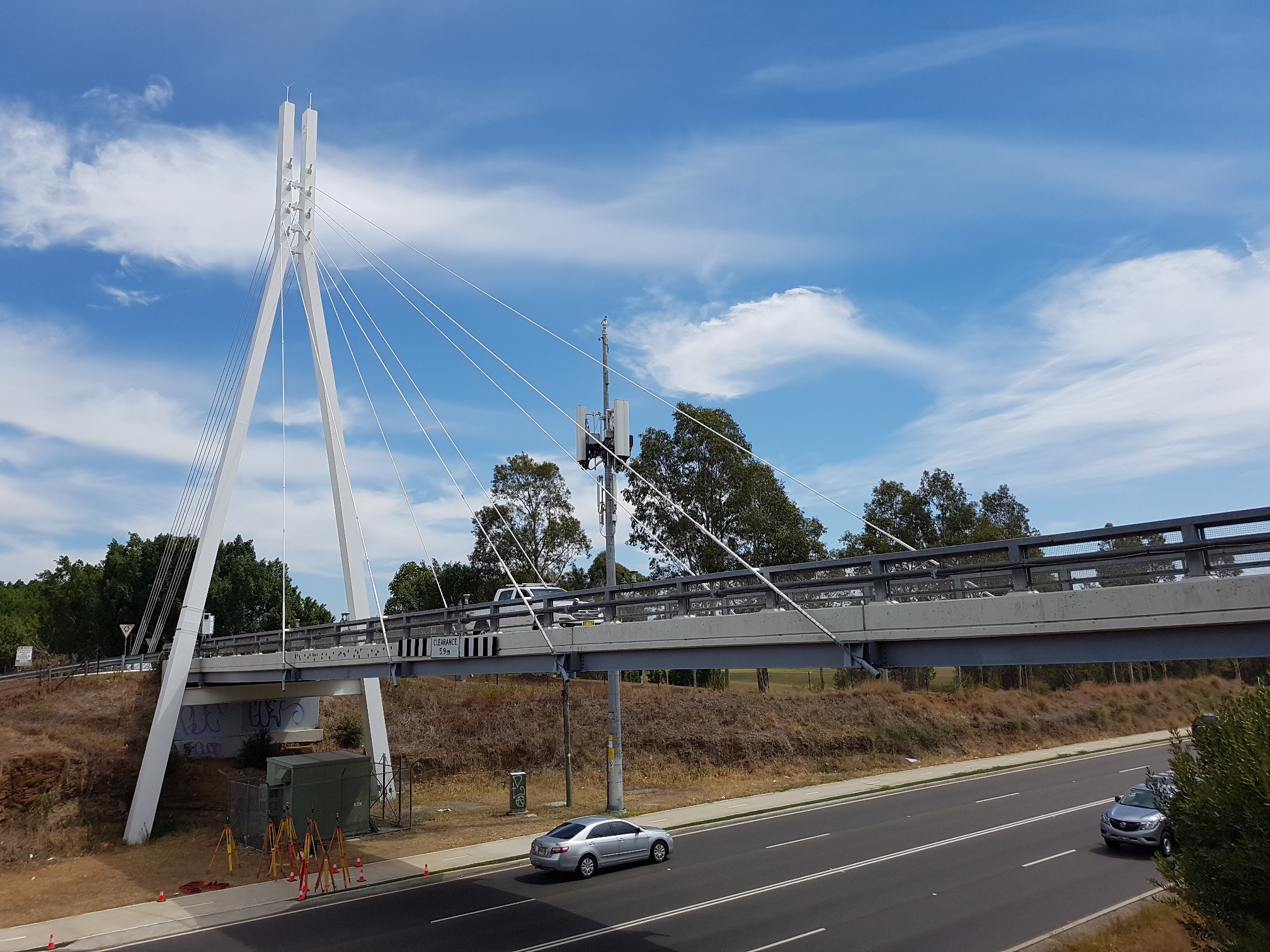
Vibrational energy harvested from the bridge excitation due to the traffic flow or the wind load can be supplied to sensors in a Structural Health Monitoring (SHM) system and help prolong its service life, reduce chemical battery waste and enable its use in remote locations. A common approach to designing a Piezoelectric Energy Harvester (PEH) consists in tuning its fundamental frequency to some target value (e.g., the fundamental frequency of a bridge). However, such approach does not answer the question if the chosen target frequency is optimal, and does not take into account the possibility to have multiple design configurations with the same fundamental frequency. In this work, we approach the problem of a PEH design optimisation in a rigorous way, using a PEH model based on the Kirchhoff-Love plate theory and Isogeometric Analysis (IGA), coupled with the Modal Order Reduction (MOR) approach and Runge-Kutta time integration method. The model is further equipped with the Particle Swarm Optimisation (PSO) algorithm that allows finding geometry which maximises energy output from a given base acceleration signal. A comprehensive study is conducted to infer the impact of a PEH geometry on its energy harvesting performance in a real-world setting by considering field health monitoring data of a large-scale cable-stayed bridge in NSW, Australia. A shape optimisation framework is developed based on acceleration events, i.e., where the level of response exceeds a certain threshold. Designs obtained in the event-based optimisation are then clustered to propose several best candidates for continuous energy generation. This work represents the first study on PEH design optimisation for real operational conditions.
研究の動機と目的
- 従来のPEH設計では、橋梁の固有振動数に合わせて共振周波数をチューニングするが、最適性の検証が行われていないという限界に対処する。
- 実運用状態下での連続的エネルギー回収を最大化するための、厳密なイベントベースの最適化フレームワークを構築する。
- フルオーダーモデルにおける計算ボトル neck を克服するため、モード次元削減と効率的な時間積分を統合する。
- オーストラリアニューサウスウェールズ州の大規模な斜張橋からの実現地データを用いて、フレームワークを検証する。
- イベントベースの最適化結果のクラスタリングを通じて、実用的導入に適した複数の高性能PEH設計を提案する。
提案手法
- キルヒホッフ=ローヴェ板理論と電機界体の一般化ハミルトニアン原理に基づいてPEHモデルを定式化する。
- 高精度な構造的および電機械的結合を実現するため、等参画的解析(IGA)を用いてモデルを離散化する。
- 計算コストを低減しつつ動的応答の正確さを保持するため、モード次元削減(MOR)を適用する。
- 任意の基底加速度信号からの電圧出力を計算するために、ルンゲ=クッタ時間積分法を用いる。
- 粒子群最適化(PSO)アルゴリズムを統合し、エネルギー回収量を最大化するPEH形状を探索する。
- さらに、並列接続された負荷抵抗値の最適化により、エネルギー出力を向上させる。
実験結果
リサーチクエスチョン
- RQ1交通による実環境下で、PEHの基本周波数を橋梁の固有振動数に合わせることで、最適なエネルギー回収設定が得られるか?
- RQ2多様で現実的な交通誘発振動イベントにさらされた場合、PEHの幾何形状はエネルギー回収性能にどのように影響を与えるか?
- RQ3イベントベースの最適化フレームワークは、連続的発電の観点から、従来の周波数一致設計戦略を上回ることができるか?
- RQ4異なる振動モードや交通密度に対応するための、持続的なエネルギー回収に最も効果的なPEH幾何形状は何か?
- RQ5橋梁上でのデバイス設置位置の選択が、最適設計およびエネルギー出力にどのように影響を与えるか?
主な発見
- イベントベースの最適化フレームワークにより、通過する1台の車両あたり最大7.8 µJのエネルギーを発電するPEH設計が特定され、1000件の交通イベントを想定した1日あたりのエネルギー出力は2.5 mJに達した。
- 最適設計は約2 Hzの周図数を中心にクラスタリングされており、選定された橋梁位置が第1振動モードに有利であることを示唆しているが、これはグローバルに最適な位置とは限らない。
- 本フレームワークは、実際の交通誘発励振の全スペクトルを考慮することで、従来の周波数チューニング設計を上回るエネルギー出力を達成した。
- PSOで最適化されたPEH形状は、複数のイベントクラスタで一貫した性能を示し、特にクラスタ6で7.76 µJの最高出力、クラスタ7で95%の発生頻度が記録された。
- 実験データとのモデル検証により、シミュレーションフレームワークが実世界のエネルギー回収性能を正確に予測できることを確認した。
- 本研究では、エネルギー回収性能がデバイスの幾何形状および設置位置に極めて敏感であることが判明し、すべての振動モードに普遍的に最適な設計は存在しないことが明らかになった。

より良い研究を、今すぐ始めましょう
論文の読解から最終レビューまで、研究時間を劇的に削減しましょう。
クレジットカード登録不要
このレビューはAIが作成し、人間の編集者が確認しました。