
[論文レビュー] Effect of religious rules on time of conception in Romania from 1905 to 2001
本研究は、1905年から2001年までの97年間にわたり、2490万件の出生記録を含む日常出生記録データセットを用いて、ルーマニアにおけるキリスト教の断食期間—特に四旬節とネヴァティーディー断食—が受精の時期に与えた影響を調査する。経済統計モデルを用い、宗教的所属、断食期間、農村部居住、日長、週末、トレンドを変数に含めた分析の結果、四旬節断食はネヴァティーディー断食よりも顕著に受精に悪影響を及ぼすことが判明し、特に東方正統教会の農村住民において顕著であった。これは、季節的要因を超えて、宗教的要因が非均一な受精パターンを決定づける主な要因であることを示している。
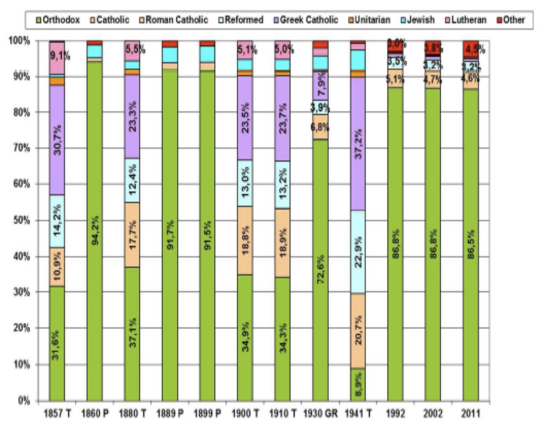
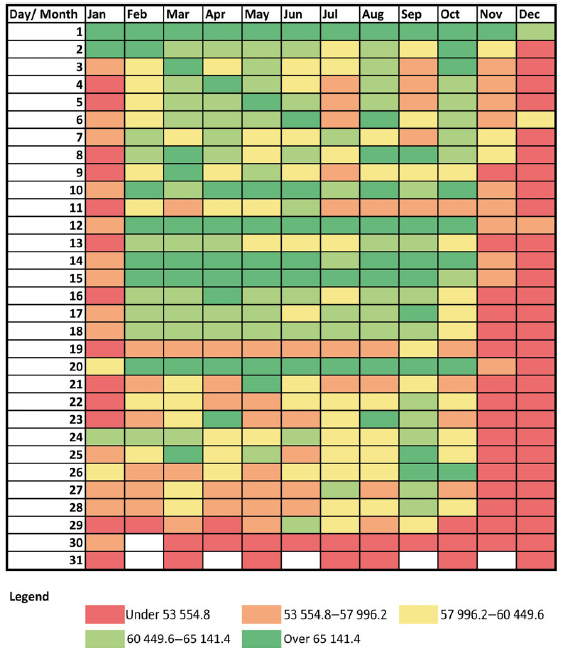
Population growth (or decay) in a country can be due to various f socio-economic constraints, as demonstrated in this paper. For example, sexual intercourse is banned in various religions, during Nativity and Lent fasting periods. Data consisting of registered daily birth records for very long (35,429 points) time series and many (24,947,061) babies in Romania between 1905 and 2001 (97 years) is analyzed. The data was obtained from the 1992 and 2002 censuses, thus on persons alive at that time. We grouped the population into two categories (Eastern Orthodox and Non-Orthodox) in order to distinguish religious constraints and performed extensive data analysis in a comparative manner for both groups. From such a long time series data analysis, it seems that the Lent fast has a more drastic effect than the Nativity fast over baby conception within the Eastern Orthodox population, thereby differently increasing the population ratio. Thereafter, we developed and tested econometric models where the dependent variable is the baby conception deduced day, while the independent variables are: (i) religious affiliation; (ii) Nativity and Lent fast time intervals; (iii) rurality; (iv) day length; (v) weekend, and (vi) a trend background. Our findings are concordant with other papers, proving differences between religious groups on conception, - although reaching different conclusions regarding the influence of weather on fertility. The approach seems a useful hint for developing econometric-like models in other sociophysics prone cases.
研究の動機と目的
- 20世紀を通じてルーマニアにおけるキリスト教の断食期間(四旬節およびネヴァティーディー断食)が受精の季節的パターンに与える影響を分析すること。
- 特に性交渉の禁欲が断食期間中に義務付けられるという宗教的制約が、受精パターンに顕著に影響を与えるかどうかを検証すること。
- 東方正統教会(EOx)と非正統教会(NOx)の両集団の間で、宗教的要因が他の社会経済的・環境的要因と分離して影響を及ぼすかどうかを比較すること。
- 宗教的所属、断食期間、農村部居住、日長、週末、および長期トレンドを組み込んだ経済統計モデルを構築し、その妥当性を検証することで、受精時期に与える影響を定量的に評価すること。
提案手法
- 1992年および2002年のルーマニア国勢調査データから、1905年から2001年までの35,429日間の期間にわたる24,947,061件の出生記録が抽出された。
- 宗教的影響を分離するために、東方正統教会(EOx)と非正統教会(NOx)の2群に集団を二分類した。
- 受精日を従属変数とし、独立変数として宗教的所属、四旬節およびネヴァティーディー断食期間、農村部居住、日長、週末インジケーター、長期トレンドを含む経済統計モデルを構築した。
- 多重共線性の問題を回避するため、気温や家族労働時間といった相関の高い変数は除外され、光周期性の代理指標として日長が保持された。
- モデルの性能は決定係数(R-squared)およびt検定を用いて評価され、予測変数の相対的影響を比較するために標準化係数が用いられた。
- 政治的出来事(例:チェウシェスク大統領の指令)と関連するパターンの変化を特定するため、期間をサブ・パネル(例:1948年~1966年)に分割して分析を行った。
実験結果
リサーチクエスチョン
- RQ1東方正統教会の伝統において、四旬節およびネヴァティーディー断食期間中に性交渉が禁じられることが、ルーマニアにおける受精時期に顕著に影響を及ぼすか?
- RQ2四旬節とネヴァティーディー断食の期間の長さおよび強度は、それぞれ受精率にどのような違いをもたらすか?
- RQ3農村部に住む人々は、都市部に比べて宗教的断食の影響をどの程度強く受けるか?
- RQ4これらの特定の断食期間を持たない非正統教会の集団は、正統教会の集団と比較して受精の季節的パターンにどのような違いを示すか?
- RQ5光周期(日長)、週末、およびその他の社会的文化的要因が、宗教的規則とは独立して受精の季節的パターンにどの程度寄与しているか?
主な発見
- 四旬節断食は、特に農村部に住む東方正統教会の集団において、ネヴァティーディー断食よりも顕著に受精率に悪影響を及ぼす。
- 四旬節断食の標準化係数は、他のすべての予測変数の中で絶対値が最大であり、受精の季節的パターンを決定づける上でその支配的役割を果たしていることが示された。
- 農村部居住(rEOx)は、季節的受精パターンと強く正の相関を示しており、農村生活が宗教的および環境的サイクルにより感受しやすいことを示唆している。
- 1966年までは、EOxおよびNOx両集団において週末が受精に正の影響を与えていたが、その後は負の影響に転じており、社会的・政治的変化が関係している可能性がある。
- 月の照度割合は統計的に有意でなかったため、月相が受精時期の決定要因であるとは考えられない。
- 非正統教会集団の経済統計モデルは全体的に弱く、宗教的断食が受精パターンに顕著な差を生じさせることを裏付けている。
より良い研究を、今すぐ始めましょう
論文の読解から最終レビューまで、研究時間を劇的に削減しましょう。
クレジットカード登録不要
このレビューはAIが作成し、人間の編集者が確認しました。