
[論文レビュー] Gender Bias in Transformer Models: A comprehensive survey
本稿は、言語的視点から変換器モデルにおける性別バイアスを包括的に分析するサーベイであり、バイアス測定、評価手法、標準化の欠如に関する一貫性のなさを特定している。モデル開発プロセスへのバイアス検出の早期統合を提言し、公平性と正義を高めるための標準化ベンチマークの導入を提唱している。
Gender bias in artificial intelligence (AI) has emerged as a pressing concern with profound implications for individuals' lives. This paper presents a comprehensive survey that explores gender bias in Transformer models from a linguistic perspective. While the existence of gender bias in language models has been acknowledged in previous studies, there remains a lack of consensus on how to effectively measure and evaluate this bias. Our survey critically examines the existing literature on gender bias in Transformers, shedding light on the diverse methodologies and metrics employed to assess bias. Several limitations in current approaches to measuring gender bias in Transformers are identified, encompassing the utilization of incomplete or flawed metrics, inadequate dataset sizes, and a dearth of standardization in evaluation methods. Furthermore, our survey delves into the potential ramifications of gender bias in Transformers for downstream applications, including dialogue systems and machine translation. We underscore the importance of fostering equity and fairness in these systems by emphasizing the need for heightened awareness and accountability in developing and deploying language technologies. This paper serves as a comprehensive overview of gender bias in Transformer models, providing novel insights and offering valuable directions for future research in this critical domain.
研究の動機と目的
- 変換器モデルにおける性別バイアスを測定するために用いられる既存の手法および指標を批判的に評価すること。
- 現在のアプローチにおける主な制限要因、すなわち不適切な指標、小規模なデータセットサイズ、標準化の欠如を特定すること。
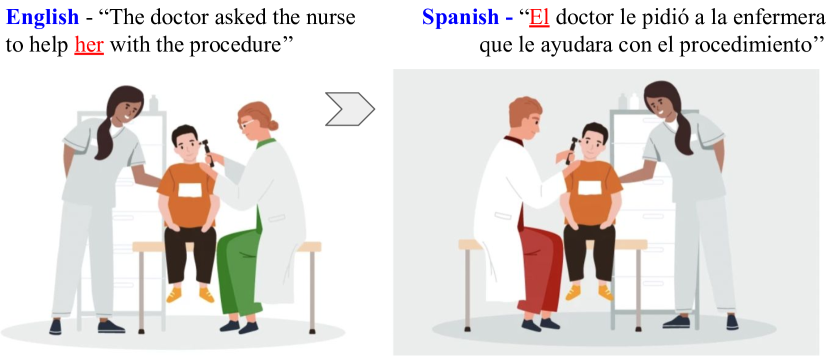
- 対話システムや機械翻訳などの下流NLPアプリケーションにおける性別バイアスの現実世界への影響を検討すること。
- 社会的害を防ぐために、バイアス検出をモデル開発ライフサイクルの初期段階に統合することを提唱すること。
- 公平性と比較可能性を向上させるために、標準化された評価ベンチマークの採用を促進すること。
提案手法
- NLPおよび変換器モデルにおける性別バイアスに関する100件以上の研究を対象とした体系的レビューおよび批判的分析。
- 言語的、意味的、表現レベルのアプローチに基づいてバイアス測定技術を分類すること。
- 評価フレームワークにおける繰り返し発生する欠陥の同定、特に単一ベンチマーク指標への依存と不完全なバイアス定義。
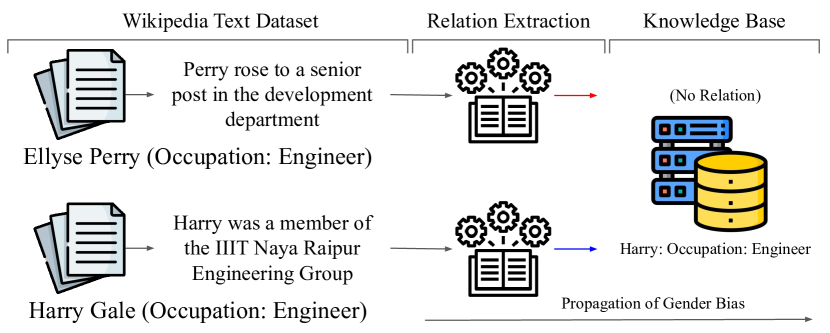
- アマゾンの偏った採用ツールのような事例研究を通じて、未解決の性別バイアスがもたらす現実世界の結果を提示すること。
- 初期段階でのバイアス検出と研究計画における倫理的責任を重視する多面的評価フレームワークの提言。
- モデル開発および論文発表における標準化されたベンチマークと倫理的レビュー・プロセスの導入を勧告すること。
実験結果
リサーチクエスチョン
- RQ1変換器モデルにおける性別バイアスを測定するために主に用いられる手法と指標は何か。それらは研究間でどれほど一貫性があるか。
- RQ2不完全な指標や小規模なデータセットに依存する評価の不適切な実践が、性別バイアス評価の信頼性にどのように影響するか。
- RQ3チャットボットや機械翻訳システムなどの現実世界のNLPアプリケーションにおける性別バイアスの下流的影響は何か。
- RQ4なぜバイアス評価に標準化が欠如しているのか。その結果、公平性研究の進展がどのように妨げられるか。
- RQ5社会的害を防ぐために、どのようにしてバイアス検出をモデル開発プロセスに効果的に統合できるか。
主な発見
- 性別バイアスの測定において、大きな合意の欠如が見られる。多くの研究が単一の定義に依存しており、複数のアプローチにわたる並列評価が不十分である。
- 多くの最先端モデルは、展開後における性別バイアスのテストにとどまっているため、是正が可能になる前から社会的害を引き起こすリスクが高まっている。
- アマゾンの採用ツールのような事例研究は、訓練データに歴史的性別不均衡が反映されていることで、バイアスが生じ、差別の的結果をもたらす可能性があることを示している。
- 現在の研究は評価基準の不整合に苦しんでおり、標準化されたベンチマークがほとんど使われていないため、再現性と比較可能性が低下している。
- 本研究では、事前学習モデルにおいてバイアスが広範に存在することを同定しており、多くのモデルが中立的文脈でさえもある種の性別予測を示している。
- 著者らは、公平性の高いNLPシステムを構築するためには、バイアス検出の早期統合と研究計画における形式化された倫理的レビューが不可欠であると結論づけている。
より良い研究を、今すぐ始めましょう
論文の読解から最終レビューまで、研究時間を劇的に削減しましょう。
クレジットカード登録不要
このレビューはAIが作成し、人間の編集者が確認しました。