
[論文レビュー] Ground-breaking Exoplanet Science with the ANDES spectrograph at the ELT
本論文はELT上のANDESが高分解能伝送/放出分光法と反射光観測を通じて変革的な系外惑星研究を可能にする方法を概説し、岩石惑星の実現性シミュレーションと円盤物理も含む。
In the past decade the study of exoplanet atmospheres at high-spectral resolution, via transmission/emission spectroscopy and cross-correlation techniques for atomic/molecular mapping, has become a powerful and consolidated methodology. The current limitation is the signal-to-noise ratio during a planetary transit. This limitation will be overcome by ANDES, an optical and near-infrared high-resolution spectrograph for the ELT. ANDES will be a powerful transformational instrument for exoplanet science. It will enable the study of giant planet atmospheres, allowing not only an exquisite determination of atmospheric composition, but also the study of isotopic compositions, dynamics and weather patterns, mapping the planetary atmospheres and probing atmospheric formation and evolution models. The unprecedented angular resolution of ANDES, will also allow us to explore the initial conditions in which planets form in proto-planetary disks. The main science case of ANDES, however, is the study of small, rocky exoplanet atmospheres, including the potential for biomarker detections, and the ability to reach this science case is driving its instrumental design. Here we discuss our simulations and the observing strategies to achieve this specific science goal. Since ANDES will be operational at the same time as NASA's JWST and ESA's ARIEL missions, it will provide enormous synergies in the characterization of planetary atmospheres at high and low spectral resolution. Moreover, ANDES will be able to probe for the first time the atmospheres of several giant and small planets in reflected light. In particular, we show how ANDES will be able to unlock the reflected light atmospheric signal of a golden sample of nearby non-transiting habitable zone earth-sized planets within a few tenths of nights, a scientific objective that no other currently approved astronomical facility will be able to reach.
研究の動機と目的
- ANDESがさまざまなタイプの惑星にわたる系外惑星大気研究を劇的に進展させる方法を動機づけ、説明する。
- ANDESによる惑星科学を推進する2つの主要な観測モードとトップレベルの要件を定義する。
- 岩石惑星・居住可能域惑星および原始惑星円盤の feasiblity、観測戦略、シミュレーションを評価する。
- JWST/ARIELとの相乗効果を強調し、星寄生 contamination(星の混入)と長周期惑星信号といった主要な課題に対処する。
提案手法
- ANDESの2つの観測モードを説明する:seeing-limited高分解能分光法(R≥100,000、0.5–1.8 μm)とAO支援IFUモード(R≥100,000、YJH帯)。
- 高分散伝送/放出分光法と高コントラスト反射光技術をクロス相関と組み合わせて惑星大気信号を検出する。
- petitRADTRANSモデルとクロス相関解析を用いてTRAPPIST-1b/d、K2-18bなど主要ターゲットのシミュレーションを行い検出可能性を評価する。
- 大気地球大気中の地学的・恒星由来の混入、特に3D RHD星モデルを含む信号抽出への影響を議論する。
- 長周期惑星に対する信号回収に影響するPCA/SYSREM技法の影響と、データ解析の改善の必要性を概説する。
実験結果
リサーチクエスチョン
- RQ1ANDESは伝送分光法による岩石・温和な温度域の系外惑星大気の特徴付けを達成できるか。
- RQ2ANDESの伝送・反射光モードの双方で大気信号検出に最適なSNRを得る観測戦略と露出条件は何か。
- RQ3高コントラスト・高分解能観測は近傍の非トランジット型居住可能域の地球サイズ惑星から反射光を検出可能にするか。
- RQ4長周期惑星の検出を制限する主な課題(星寄生、地球大気線、PCAのようなデータ駆動信号除去)とそれらを緩和する方法は何か。
- RQ5ANDESはJWST、ARIEL、他の施設と如何に連携し、多層解像度の系外惑星大気研究を前進させるか。
主な発見
- ANDESの高分解能スペクトル分解能とAO支援IFUモードは、岩石系惑星の反射光検出を含む幅広い系外惑星の大気・表面特性の潜在的発見を可能にする。
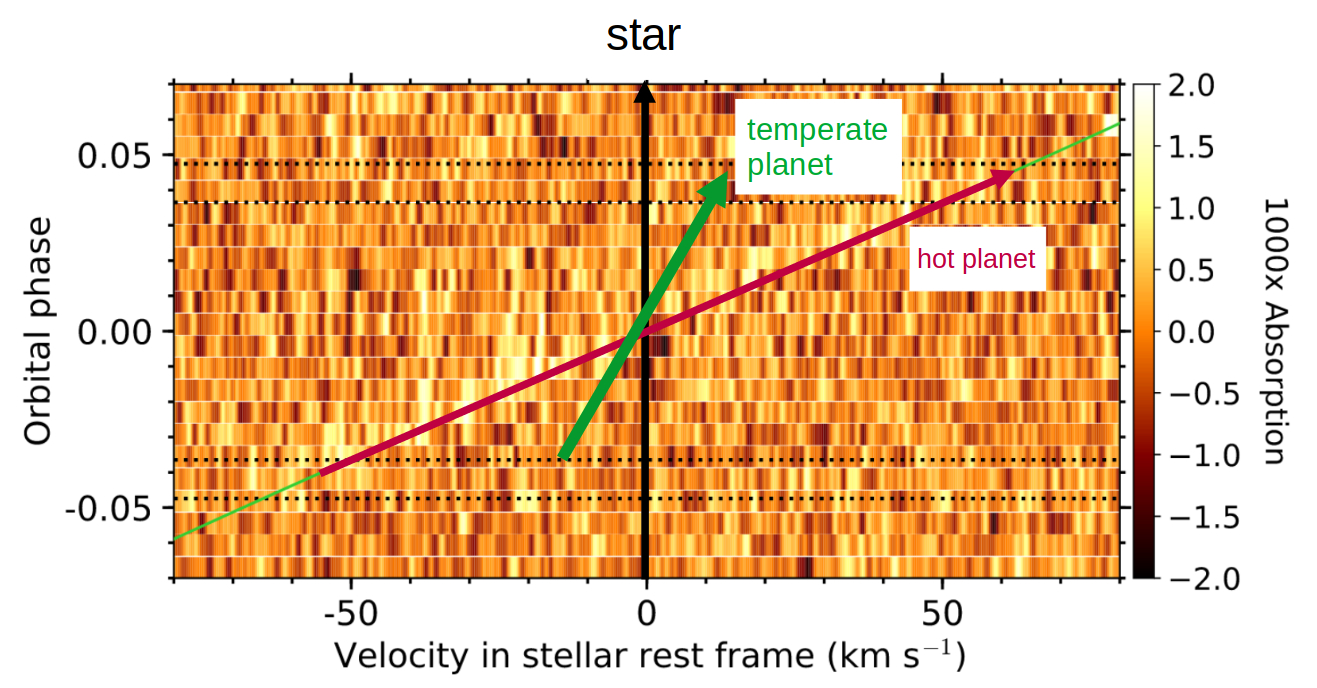
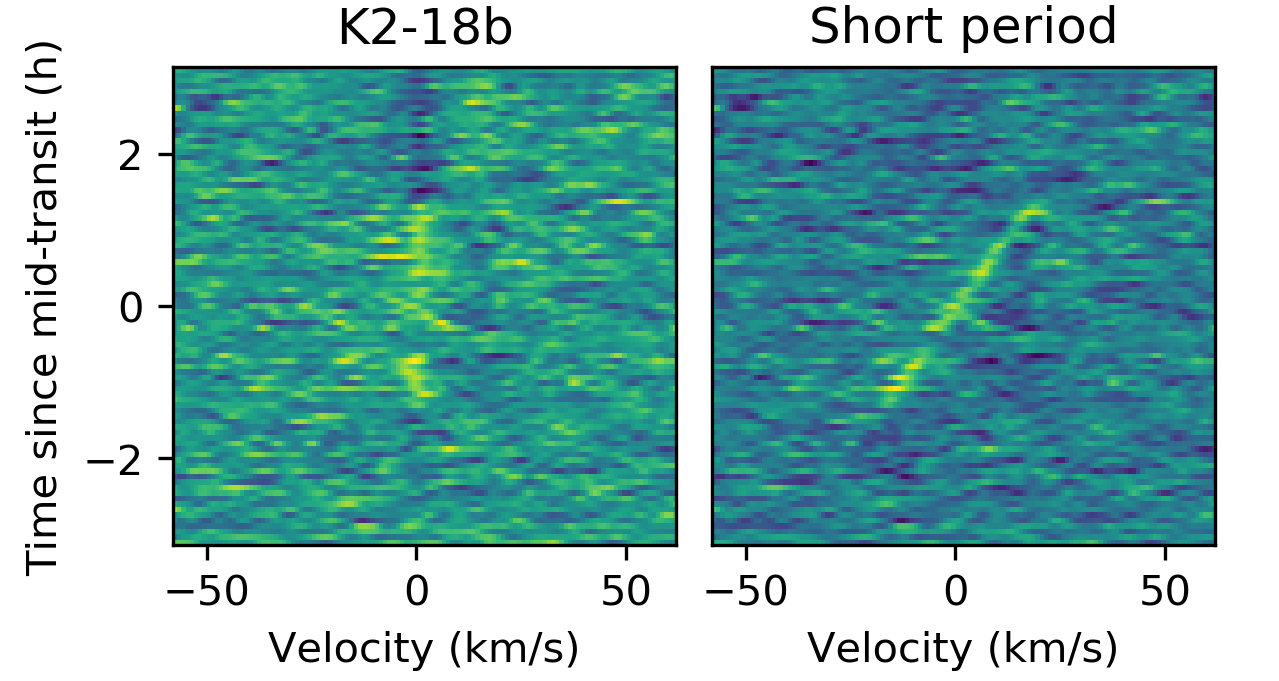
- TRAPPIST-1b/dおよびK2-18bのシミュレーションは、複数のトランジットとクロス相関テンプレートを用いた伝送分光の実現性を示す。
- 長周期惑星は現在のデータリダクション法(例:PCA/SYSREM)に対して挑戦を与え、遅いRV変化とトランジット中の準静的信号により回収信号が低下する。
- 星の対流と3D放射水力学(RHD)効果は時間変化する星の線特徴を生じさせ、惑星信号を汚染する可能性があり、高度な恒星モデリングが必要である。
- 本論文はJWST/ARIELとの強い相乗効果を予見し、ANDESが反射光大気を探る独自の能力を持ち、居住可能域の非トランジット惑星も対象となり得ると主張する。
- FORTechnical challengesには1 m/sの視線速度較正(目標:20 cm/s)と観測時間スケールにおけるPSF安定性およびフラットフィールド精度の維持が含まれる。
より良い研究を、今すぐ始めましょう
論文設計から論文執筆まで、研究時間を劇的に削減しましょう。
クレジットカード登録不要
このレビューはAIが作成し、人間の編集者が確認しました。