
[論文レビュー] Impact of unreliable devices on stability of quantum computations
本論文は、装置特性データからの類似度指標を用いて時間的に変化するノイズ統計を分析することにより、ノイズの多い中規模量子(NISQ)デバイスの信頼性を定量化するフレームワークを提案する。ゲート忠実度、デ coherent 時間、SPAM、クロスタッチ誤りのノイズパラメータの同時確率分布を用いて、観測可能な安定性の上限を導出する。IBMワシントンの超伝導デバイス上でBernstein-Vazirani回路のシミュレーションを実施した結果、性能に月単位での顕著な変動が見られ、2.2%の正規化類似度しきい値を超えると再現性のある結果が得られないことが示された。
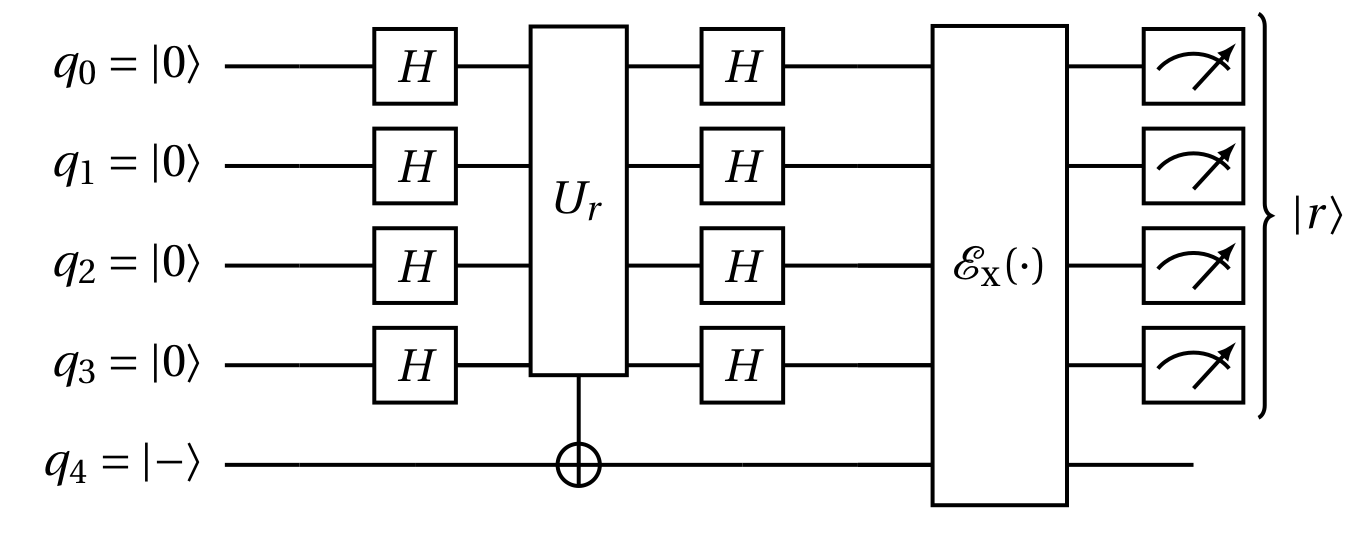
Noisy intermediate-scale quantum (NISQ) devices are valuable platforms for testing the tenets of quantum computing, but these devices are susceptible to errors arising from de-coherence, leakage, cross-talk and other sources of noise. This raises concerns regarding the stability of results when using NISQ devices since strategies for mitigating errors generally require well-characterized and stationary error models. Here, we quantify the reliability of NISQ devices by assessing the necessary conditions for generating stable results within a given tolerance. We use similarity metrics derived from device characterization data to derive and validate bounds on the stability of a 5-qubit implementation of the Bernstein-Vazirani algorithm. Simulation experiments conducted with noise data from IBM Washington, spanning January 2022 to April 2023, revealed that the reliability metric fluctuated between 41% and 92%. This variation significantly surpasses the maximum allowable threshold of 2.2% needed for stable outcomes. Consequently, the device proved unreliable for consistently reproducing the statistical mean in the context of the Bernstein-Vazirani circuit.
研究の動機と目的
- 非定常なノイズプロセスのため、NISQデバイスにおける長期的安定性を評価する手法の不足に対処すること。
- 時間的・空間的スケールにわたるデバイス信頼性を評価するきめ細やかなフレームワークを構築すること。
- 主な誤り指標の変動が計算の安定性および再現性に与える影響を定量化すること。
- 超伝導トランモンデバイスからの実際の特性データを用いて、信頼性の上限を検証すること。
- 将来的なベンチマークプロトコルを支援するため、アプリケーション固有の信頼性しきい値を可能にすること。
提案手法
- 時間分解された観測可能量の確率分布間の類似度指標(特に正規化Hellinger距離)を用いて、信頼性を評価する。
- ゲート忠実度、デ coherent 時間、SPAM、クロスタッチ誤りのノイズパラメータの同時確率分布を用いて、観測可能安定性の理論的上限を導出する。
- Hölderの不等式と積分近似を用いて、時間経過に伴う量子回路出力の変動を制限する。
- IBMワシントンデバイスの月次特性データを用い、1.5年間にわたるBernstein-Vaziraniアルゴリズムのシミュレーションと安定性評価を実施する。
- 異なる時刻における分布を比較することで非定常ノイズをモデル化し、類似度の評価から信頼性を推定する。
- 数値シミュレーションを用いて上限を検証し、近似誤差が上限のきつさに与える影響を分析する。
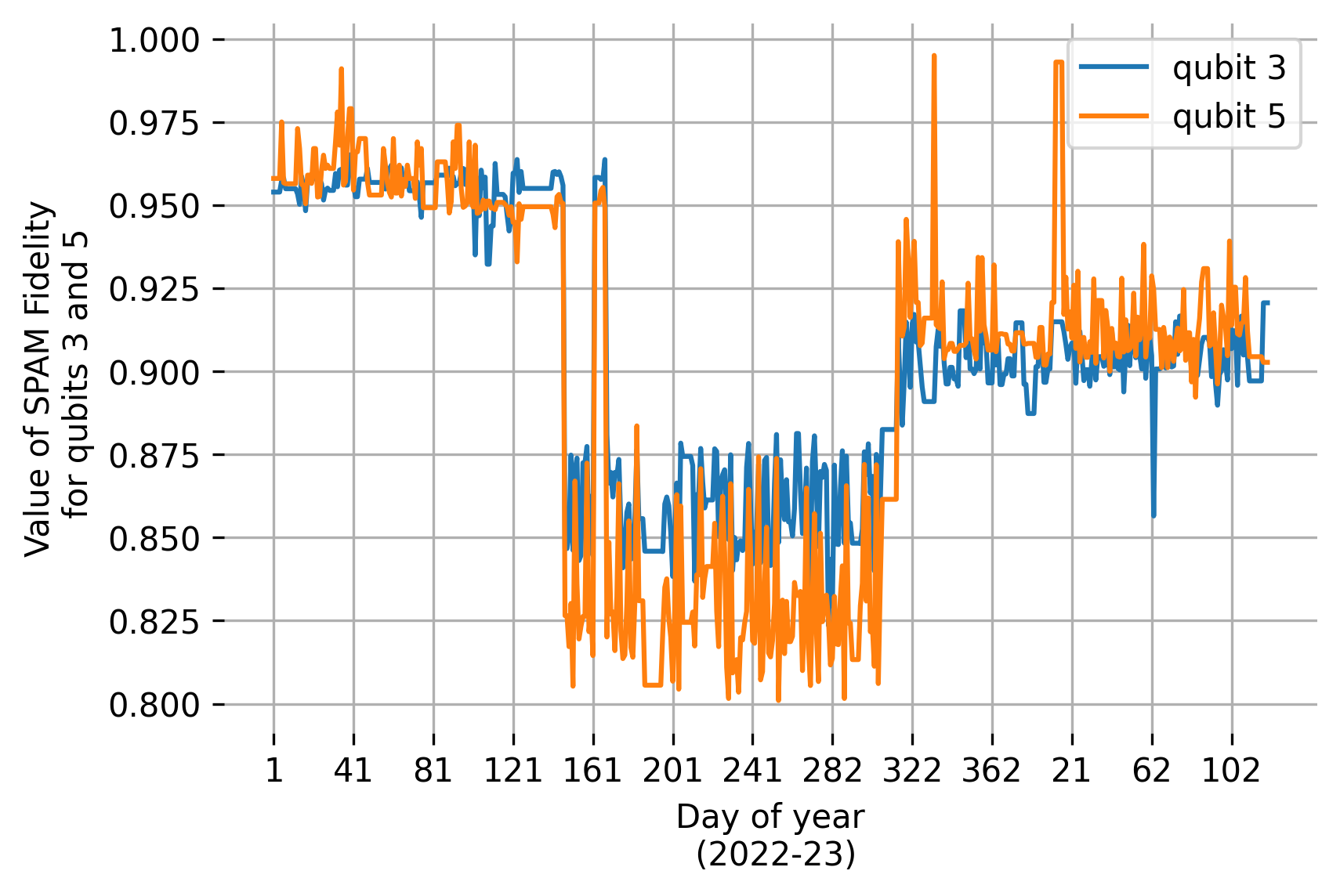
実験結果
リサーチクエスチョン
- RQ1NISQデバイスにおける時間的に変化するノイズ統計は、量子回路出力の安定性にどのように影響するか?
- RQ2装置特性指標と量子計算結果の再現性の間にはどのような関係があるか?
- RQ3ノイズパラメータの同時確率分布から、観測可能安定性の理論的上限をどの程度まで導出できるか?
- RQ4正規化Hellinger距離は、時間経過にわたるデバイス信頼性の定量化にどのように信頼できる指標として機能するか?
- RQ5これらの上限は、実世界のNISQデバイスにおける誤り低減とベンチマーク手法にどのような実用的意味を持つか?
主な発見
- 1.5年間の期間にわたり、IBMワシントンデバイスの異なる時刻におけるデバイス状態間の正規化Hellinger距離は0.41から0.92の間で変動し、同デバイスの顕著な不安定性を示している。
- Bernstein-Vazirani回路の平均出力が元の値から±0.25以内に保たれるためには、正規化類似度2.2%のしきい値が必要であり、これは一貫して満たされていなかった。
- 理論的上限が緩いのは、3つの要因による:Hölderの不等式の使用、最大観測値を用いた近似、非単調なノイズ行動。
- 後続の時刻におけるノイズ分布が初期のものに確率的に支配される場合、上限はよりきつくなる。これはキャリブレーションの間によく観察される。
- 本研究は、現在のベンチマーク手法が非定常ノイズを考慮していないため、再現性と不確実性の定量化が損なわれていることを明らかにした。
- 本フレームワークにより、アプリケーション固有の信頼性しきい値の設定が可能となり、安定した量子計算のためのより良いキャリブレーションメタデータとプロトコル設計を支援する。
より良い研究を、今すぐ始めましょう
論文の読解から最終レビューまで、研究時間を劇的に削減しましょう。
クレジットカード登録不要
このレビューはAIが作成し、人間の編集者が確認しました。