
[論文レビュー] Review on Fault Diagnosis and Fault-Tolerant Control Scheme for Robotic Manipulators: Recent Advances in AI, Machine Learning, and Digital Twin
本レビューは、人工知能(AI)、機械学習(ML)、およびデジタルツイン技術(DTT)の統合を通じて、ロボットアームにおける故障診断および耐故障制御(FTC)分野における最近の進展を要約している。AI/MLを活用した故障検出、分離、同定手法の包括的分析を提示し、デジタルツインがリアルタイム監視、予測保全、自律的回復を可能にすることで、産業的および安全性が求められる応用分野におけるシステムの信頼性を著しく向上させ、ダウンタイムを削減していることを示している。
This comprehensive review article delves into the intricate realm of fault-tolerant control (FTC) schemes tailored for robotic manipulators. Our exploration spans the historical evolution of FTC, tracing its development over time, and meticulously examines the recent breakthroughs fueled by the synergistic integration of cutting-edge technologies such as artificial intelligence (AI), machine learning (ML), and digital twin technologies (DTT). The article places a particular emphasis on the transformative influence these contemporary trends exert on the landscape of robotic manipulator control and fault tolerance. By delving into the historical context, our aim is to provide a comprehensive understanding of the evolution of FTC schemes. This journey encompasses the transition from model-based and signal-based schemes to the role of sensors, setting the stage for an exploration of the present-day paradigm shift enabled by AI, ML, and DTT. The narrative unfolds as we dissect the intricate interplay between these advanced technologies and their applications in enhancing fault tolerance within the domain of robotic manipulators. Our review critically evaluates the impact of these advancements, shedding light on the novel methodologies, techniques, and applications that have emerged in recent times. The overarching goal of this article is to present a comprehensive perspective on the current state of fault diagnosis and fault-tolerant control within the context of robotic manipulators, positioning our exploration within the broader framework of AI, ML, and DTT advancements. Through a meticulous examination of both historical foundations and contemporary innovations, this review significantly contributes to the existing body of knowledge, offering valuable insights for researchers, practitioners, and enthusiasts navigating the dynamic landscape of robotic manipulator control.
研究の動機と目的
- ロボットアームにおける耐故障制御(FTC)方式の進化を、モデルベースからAI/ML駆動への移行に焦点を当て、分析すること。
- デジタルツイン技術(DTT)がリアルタイム故障診断および適応制御を可能にする役割を調査すること。
- 故障検出および分離に用いられる主なAIおよびML技術(例:深層ニューラルネットワーク、強化学習、サポートベクターマシン)を特定すること。
- IoT、信号処理、およびハイブリッド制御戦略(例:MPC、バックステッピング)の統合が故障耐性をどのように向上させるかを評価すること。
- 次世代ロボットシステムにおけるFTC分野における新興トレンド(説明可能なAI(XAI)、エッジコンピューティング、持続可能性)を強調すること。
提案手法
- 本研究は、2015年から2024年までのFTCに関する最近の研究を対象とした体系的文献レビューを採用している。主にAI、ML、DTTの応用に焦点を当てている。
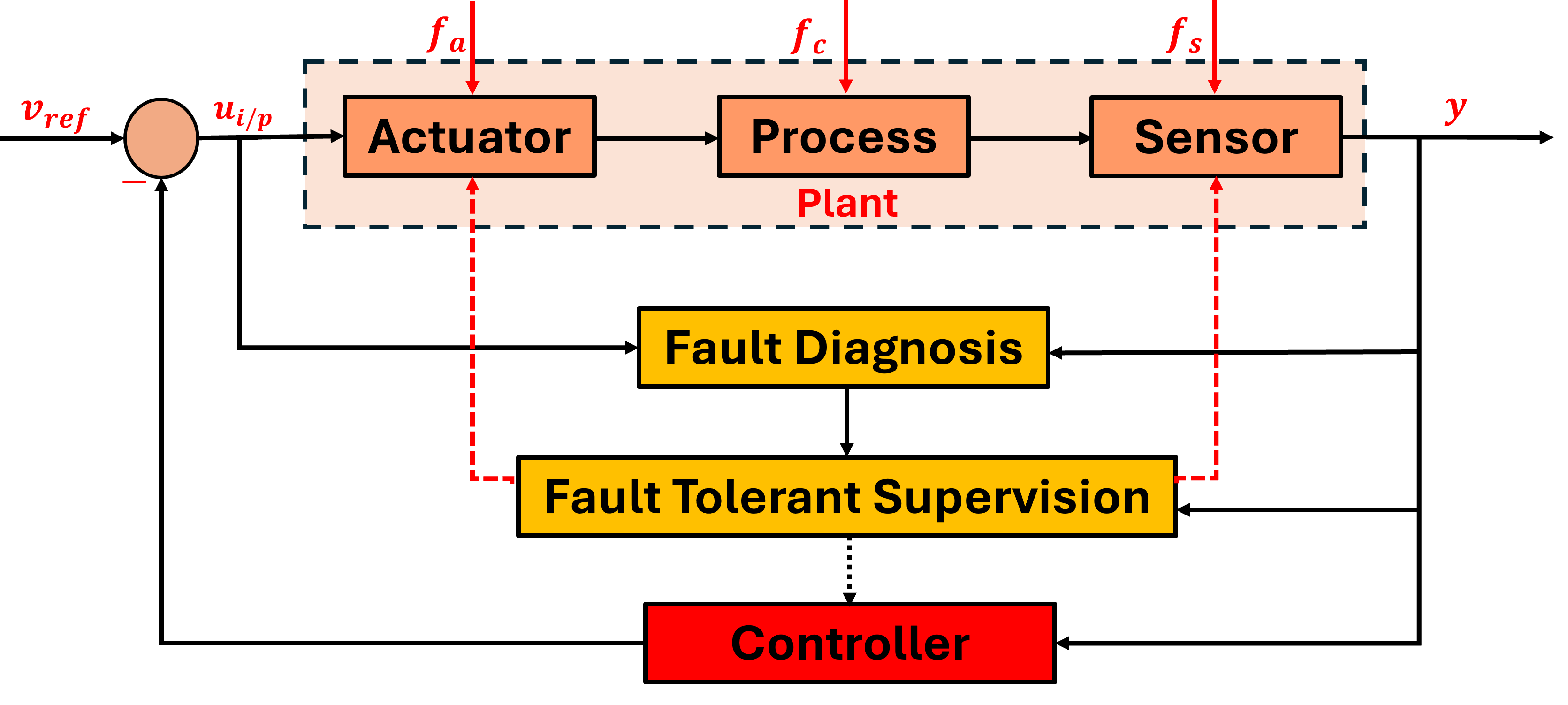
- 故障診断手法を信号ベース(例:FFT、DWT、ヒルベルト変換)、モデルベース(例:LMI、観測器設計)、データ駆動(例:ANN、SVM、RNN、CNN)の3つに分類している。
- デジタルツインの統合は、リアルタイムデータストリーム、シミュレーションモデル、フィードバックループを用いて、物理的アーム状態を模倣する形で分析されている。
- 適応型タイプ2ファジィバックステッピング(AFT2BC)、ラプラウンスに基づくMPC(LMPC)、深層強化学習(DRL)などの先進的制御戦略が、故障回復に向け評価されている。
- 故障検出、分離、同定(FDI)と再構成戦略を統合することで、段階的劣化または自律的回復を確保するフレームワークが構築されている。
- 主な構成要素には、異常検出に用いるオートエンコーダ(AE)、表現学習に用いる制限付き/ディープボルツマンマシン(RBM/DBM)、不確実性処理に用いるハイブリッドモデル(例:TSカルマンフィルタ)が含まれる。
実験結果
リサーチクエスチョン
- RQ1AIおよび機械学習技術は、従来のモデルベース手法と比較して、ロボットアームにおける故障診断および耐故障制御をどのように変革したか?
- RQ2デジタルツイン技術は、ロボットシステムにおけるリアルタイム監視、予測保全、自律的故障回復を可能にする上で果たす役割は何か?
- RQ3CNN、RNN、DRLなどのAI/MLモデルのうち、変動する運用条件下でロボットアームにおける故障検出および分離に優れた性能を示すものはどれか?
- RQ4モデル予測制御(MPC)と学習ベース手法を組み合わせたハイブリッド制御戦略は、故障耐性およびシステム安定性をどのように向上させるか?
- RQ5説明可能性、エッジデプロイ、エネルギー効率性を含む、FTC分野における新興の課題と今後の方向性は何か?
主な発見
- 深層ニューラルネットワーク(DNN)、畳み込みニューラルネットワーク(CNN)、サポートベクターマシン(SVM)などのAI/ML技術は、古典的信号処理と比較して、故障検出の正確性を著しく向上させ、誤検出を低減している。
- デジタルツイン技術により、アームの動的挙動のリアルタイムシミュレーションが可能となり、予測故障診断や事前システム再構成が実現されている。
- 強化学習(RL)および深層強化学習(DRL)は、アクチュエータまたはセンサの故障からの自律的回復を可能にする適応制御再構成において、強く有望な成果を示している。
- AFT2BCやLMPCベースの制御器のようなハイブリッドアプローチは、ラプラウンス解析による収束保証を伴い、不確実性下でも安定性とロバストネスを確保している。
- デジタルツインとIoT、エッジコンピューティングの統合により、産業自動化環境における低遅延でスケーラブルな故障診断が実現可能である。
- 説明可能なAI(XAI)やクロスドメイン知識移転といった新興トレンドは、異なるロボットプラットフォーム間でのFTCシステムの透明性と一般化能力を向上させると予想される。
この論文を読む
Nubintのビューアで原文を開き、読みながら気になる箇所をすぐに質問できます。
Nubintでこの論文を読むこのレビューはAIが論文の原文をもとに作成しました。引用する前に原文をご確認ください。