
[論文レビュー] Securing the Future of GenAI: Policy and Technology
この論文は、GenAIポリシーと技術を結ぶワークショップを要約し、規制の枠組み、リスク管理、整合性、検査、出所の技術的アプローチを詳述します。
The rise of Generative AI (GenAI) brings about transformative potential across sectors, but its dual-use nature also amplifies risks. Governments globally are grappling with the challenge of regulating GenAI, balancing innovation against safety. China, the United States (US), and the European Union (EU) are at the forefront with initiatives like the Management of Algorithmic Recommendations, the Executive Order, and the AI Act, respectively. However, the rapid evolution of GenAI capabilities often outpaces the development of comprehensive safety measures, creating a gap between regulatory needs and technical advancements. A workshop co-organized by Google, University of Wisconsin, Madison (UW-Madison), and Stanford University aimed to bridge this gap between GenAI policy and technology. The diverse stakeholders of the GenAI space -- from the public and governments to academia and industry -- make any safety measures under consideration more complex, as both technical feasibility and regulatory guidance must be realized. This paper summarizes the discussions during the workshop which addressed questions, such as: How regulation can be designed without hindering technological progress? How technology can evolve to meet regulatory standards? The interplay between legislation and technology is a very vast topic, and we don't claim that this paper is a comprehensive treatment on this topic. This paper is meant to capture findings based on the workshop, and hopefully, can guide discussion on this topic.
研究の動機と目的
- EU、US、中国、および多国間機関を含む国際的なGenAIの規制環境をマッピングする。
- 規制要件と現在のGenAI技術的能力とのギャップを特定する。
- 政策が革新を妨げず技術の進化を導く方法を探る。
- 整合、検査、出所の含むGenAIの安全性の技術的手法を評価する。
- 安全なGenAI展開のために規制当局と技術者が協力する将来の方向性を提案する。
提案手法
- EU、US、中国からの規制政策の議論を総合し、G7や国連の枠組みなどの多国間ガバナンスの取り組みを統合する。
- GenAIの安全性に関する技術的アプローチ、モデル整合、モデル検査、出力の出所/ウォーターマーキングを議論する。
- 人間中心のリスク管理のための軍事的リスク管理の教訓を取り入れる。
- 現在の整合手法の限界と標準化された評価およびレッドチーミングベンチマークの必要性を分析する。
- 規制の目的と技術的能力のギャップを浮き彫りにするロードマップを概説し、将来の方向性を提案する。
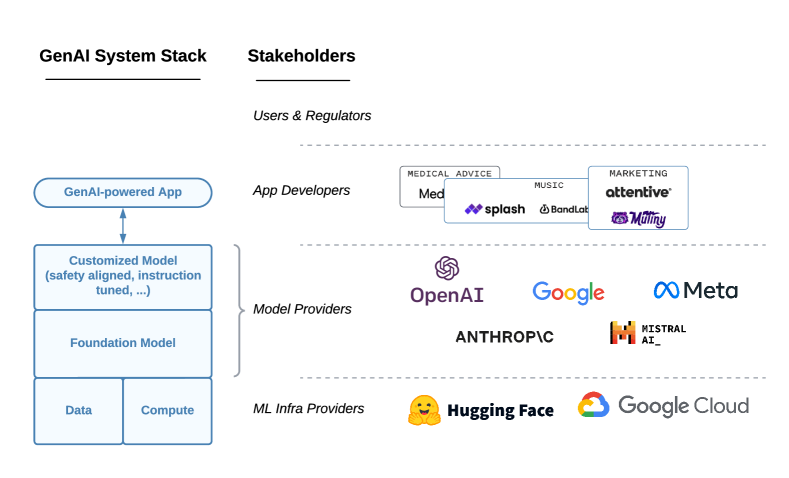
実験結果
リサーチクエスチョン
- RQ1GenAIガバナンスにとって最も重要な政策課題は何か。
- RQ2GenAIの安全性整合の限界は何か、完全な整合を達成することは現実的か。
- RQ3コンテンツがGenAI生成であることを検出する限界は何か。
- RQ4イノベーションを妨げず技術の進化を導くように規制を設計するにはどうすればよいか。
- RQ5規制基準を満たすように技術を開発するにはどうすればよいか。
主な発見
- EU、US、中国で規制アプローチは異なり、社会的・地政学的優先事項の相違を反映している。
- 多国間ガバナンスの取り組み(G7、UN、UNESCO、GPAI)は、GenAIの安全性、透明性、責任性に収束しており、協力と標準化を重視している。
- 軍事的リスク管理は、強力な技術を扱う際の人間中心のガバナンス、適格性、組織手順に関する教訓を提供する。
- 整合には根本的な課題があり、ガードレールとプロンプトインジェクションには限界があり、制御ゲートウェイやサイバーセキュリティ対策など追加の管理が必要だ。
- 規制要件と現行技術能力の間には顕著なギャップがあり、安全性とイノベーションの両方を進めるために政策立案者と技術者の協調行動が求められる。

より良い研究を、今すぐ始めましょう
論文設計から論文執筆まで、研究時間を劇的に削減しましょう。
クレジットカード登録不要
このレビューはAIが作成し、人間の編集者が確認しました。