
[論文レビュー] Systemic Risk and Vulnerability Analysis of Multi-cloud Environments
論文は STRIDE と DREAD を用いてマルチクラウド環境のHolisticなリスクと脆弱性分析を行い、アーキテクチャ、API、認証、自動化、管理の差異、法令順守にわたる攻撃ベクトルを特定・評価し、緩和策を提案する。
With the increasing use of multi-cloud environments, security professionals face challenges in configuration, management, and integration due to uneven security capabilities and features among providers. As a result, a fragmented approach toward security has been observed, leading to new attack vectors and potential vulnerabilities. Other research has focused on single-cloud platforms or specific applications of multi-cloud environments. Therefore, there is a need for a holistic security and vulnerability assessment and defense strategy that applies to multi-cloud platforms. We perform a risk and vulnerability analysis to identify attack vectors from software, hardware, and the network, as well as interoperability security issues in multi-cloud environments. Applying the STRIDE and DREAD threat modeling methods, we present an analysis of the ecosystem across six attack vectors: cloud architecture, APIs, authentication, automation, management differences, and cybersecurity legislation. We quantitatively determine and rank the threats in multi-cloud environments and suggest mitigation strategies.
研究の動機と目的
- 複数のクラウドベンダー間でセキュリティ能力が不均一であるため、総合的なセキュリティの必要性を動機付ける。
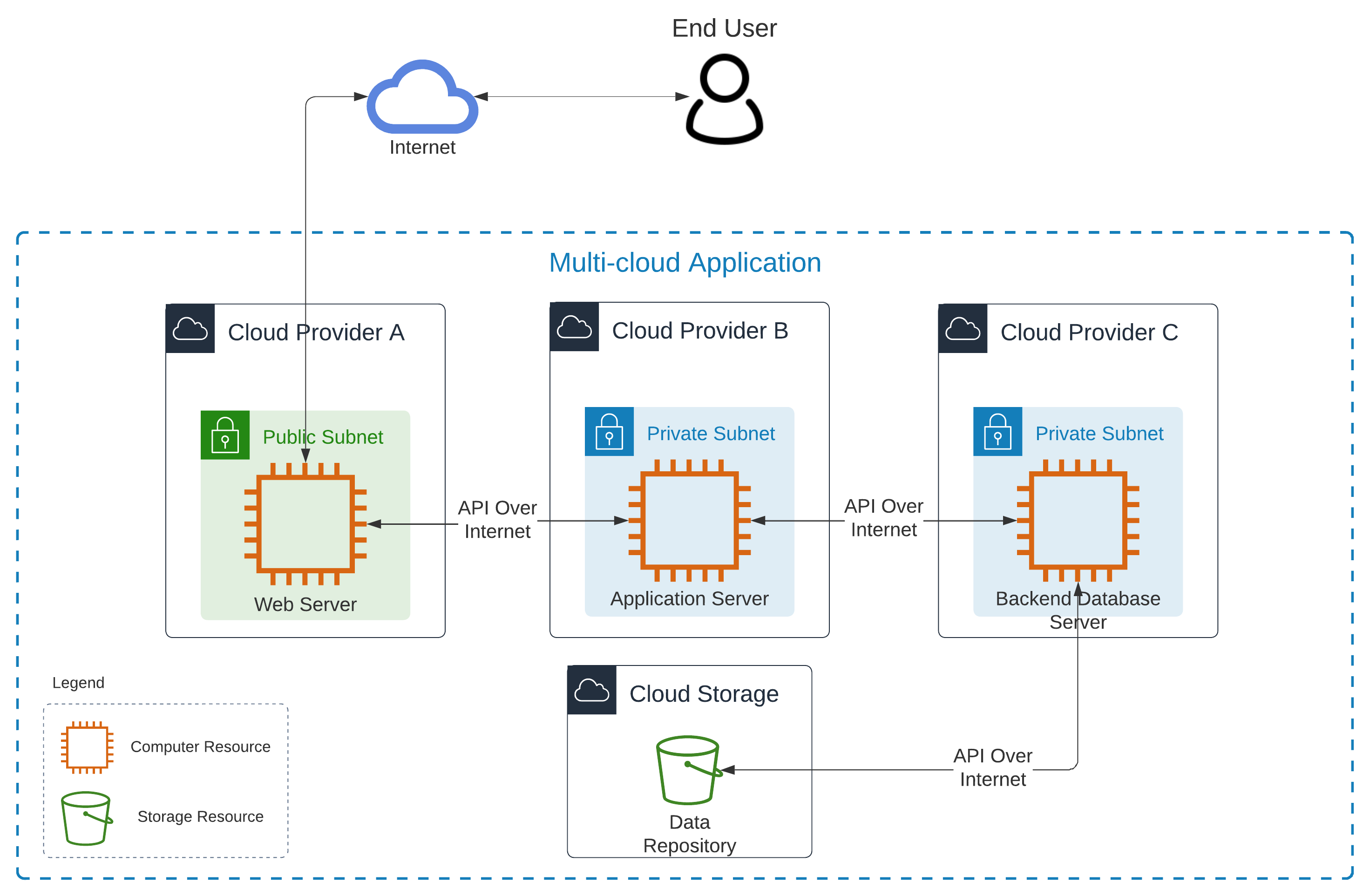
- 相互運用性リスクを研究するための代表的なマルチクラウドアーキテクチャと攻撃面を定義する。
- STRIDE を用いて攻撃ベクトルを分類し、DREAD を用いてリスクを定量化・ランク付けする。
- 識別された各攻撃ベクトルに対する緩和策を特定し、マルチクラウドのセキュリティ姿勢を改善する。
提案手法
- 提供者間で分散した3層のマルチクラウドWebアプリケーションアーキテクチャをモデル化する。
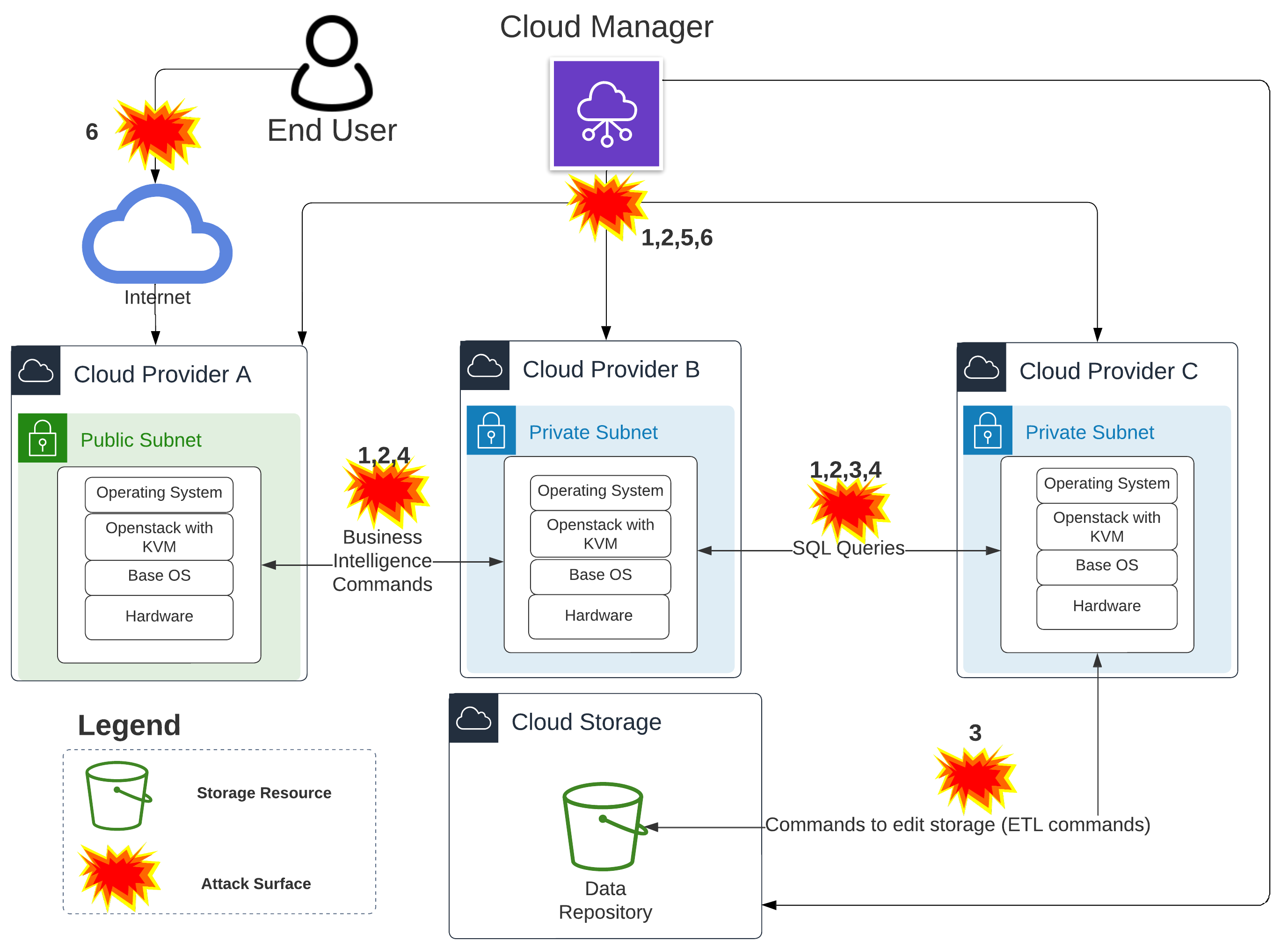
- STRIDE を用いてアーキテクチャ、API、認証、自動化、管理の差異、法令順守にわたる攻撃ベクトルを特定・分類する。
- DREAD を適用して各脅威カテゴリに定量的なリスクスコアを割り当て、緩和策の優先度を決定する。
- 多要素認証や特権アクセス管理など、特定されたリスクに対する実用的な緩和策を提案する。
実験結果
リサーチクエスチョン
- RQ1アーキテクチャ、API、認証、自動化、管理、法令順守を考慮した場合、マルチクラウド環境でどのような攻撃ベクトルが現れるか。
- RQ2STRIDE を用いてこれらのベクトルを分類し、DREAD を用いてマルチクラウド環境でのリスクを定量的にランク付けするにはどうすればよいか。
- RQ3識別されたマルチクラウド攻撃ベクトル全体でリスクを低減するために最も効果的な緩和策は何か。
主な発見
- マルチクラウド環境における6つの攻撃ベクトルにわたり、脅威が特定・分類される。
- 脅威を優先付けするために定量的なリスクスコア(DREAD)を算出し、緩和策を指針づける。
- 各攻撃ベクトルに対して多要素認証や特権アクセス管理などの緩和策を含む。
- 本研究は、マルチクラウド環境のセキュリティ問題の根本原因としての相互運用性の課題を強調する。
より良い研究を、今すぐ始めましょう
論文設計から論文執筆まで、研究時間を劇的に削減しましょう。
クレジットカード登録不要
このレビューはAIが作成し、人間の編集者が確認しました。