
[論文レビュー] The Dawn of AI-Native EDA: Opportunities and Challenges of Large Circuit Models
AI4EDA から AI-native EDA への移行を提案し、設計段階全体の多様な回路データを統合する大規模マルチモーダル回路モデル(LCMs)を用いて、合成、検証、最適化を強化するという観点。
Within the Electronic Design Automation (EDA) domain, AI-driven solutions have emerged as formidable tools, yet they typically augment rather than redefine existing methodologies. These solutions often repurpose deep learning models from other domains, such as vision, text, and graph analytics, applying them to circuit design without tailoring to the unique complexities of electronic circuits. Such an AI4EDA approach falls short of achieving a holistic design synthesis and understanding, overlooking the intricate interplay of electrical, logical, and physical facets of circuit data. This paper argues for a paradigm shift from AI4EDA towards AI-native EDA, integrating AI at the core of the design process. Pivotal to this vision is the development of a multimodal circuit representation learning technique, poised to provide a comprehensive understanding by harmonizing and extracting insights from varied data sources, such as functional specifications, RTL designs, circuit netlists, and physical layouts. We champion the creation of large circuit models (LCMs) that are inherently multimodal, crafted to decode and express the rich semantics and structures of circuit data, thus fostering more resilient, efficient, and inventive design methodologies. Embracing this AI-native philosophy, we foresee a trajectory that transcends the current innovation plateau in EDA, igniting a profound shift-left in electronic design methodology. The envisioned advancements herald not just an evolution of existing EDA tools but a revolution, giving rise to novel instruments of design tools that promise to radically enhance design productivity and inaugurate a new epoch where the optimization of circuit performance, power, and area (PPA) is achieved not incrementally, but through leaps that redefine the benchmarks of electronic systems' capabilities.
研究の動機と目的
- 回路特有の複雑さをより適切に捉えるため、AI4EDA から AI-native EDA へのパラダイムシフトを動機づける。
- 仕様、RTL、ネットリスト、レイアウトからのデータを調和させる多モダリティ回路表現学習を提唱する。
- 多様な回路データを統合できる大規模回路モデル(LCMs)を提案し、設計生産性とPPAを改善する。
- 設計プロセスの初期段階で問題を特定するシフトレフト型のアプローチを可能にする可能性を強調する。
提案手法
- 回路専用の基盤モデルを設計することを主張し、それぞれの設計モダリティに対して別個の表現を用意する。
- 多モーダルLCMsの基盤としてユニモーダル回路表現学習を概説する。
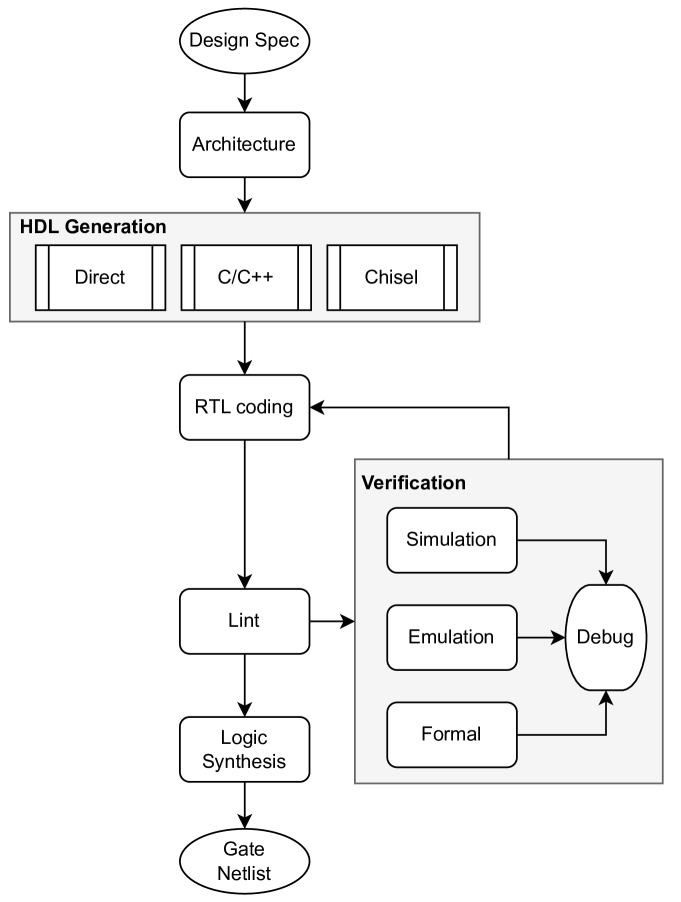
- 設計段階間で表現を整合・統合しつつ設計意図を保持する技術について論じる。
- NLP・ビジョン・マルチモーダル学習の基盤モデルに触発された潜在的なアーキテクチャと学習パラダイムをレビューする。
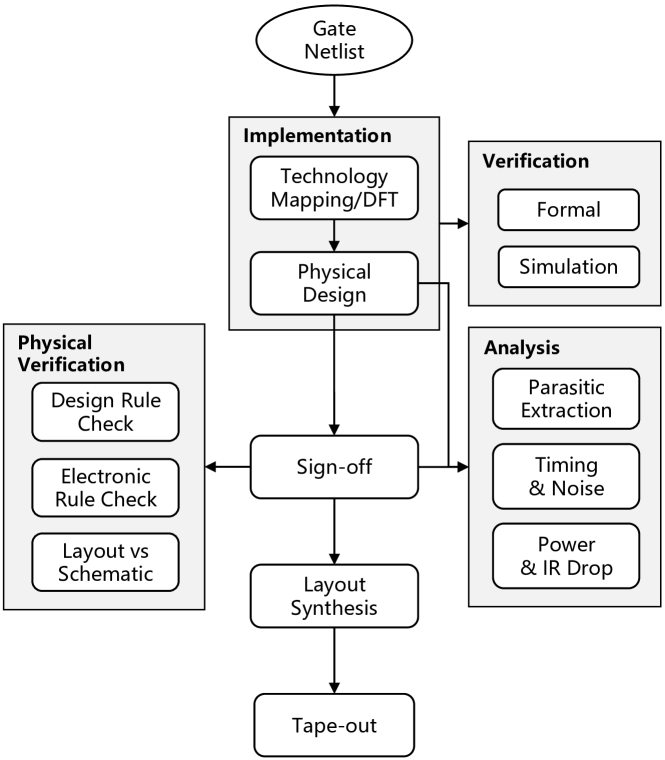
- 高レベルの仕様と低レベルの物理レイアウトを統合するLCMsを構築するためのロードマップを提案する。
実験結果
リサーチクエスチョン
- RQ1設計段階全体で回路データをマルチモーダルに表現するような大規模回路モデル(LCMs)はどのように設計されるべきか。
- RQ2AI4EDA から AI-native EDA への移行における主要な課題と機会は何か。
- RQ3仕様から物理レイアウトまで設計意図を維持するために、マルチモーダル表現をどのように整合させるべきか。
- RQ4LCMs は EDA における設計生産性・PPA・市場投入までの時間へどのような影響を及ぼす可能性があるか。
主な発見
- LCMs は多様な回路データタイプを統合・解釈するビジョンを提供し、統一的な設計ストーリーを創出する。
- AI-native EDA は AI の補助を超え、設計プロセスの中核に AI を密に組み込むことを目指す。
- マルチモーダル回路表現学習は、回路データの意味論と構造を解読するために不可欠であると提案されている。
- シフトレフト設計手法は、ボトルネックや潜在的な問題を開発初期段階で特定するのを促進できる。
- この見解は、フロントエンド・バックエンド・専門分野の回路領域にわたる潜在的な適用を概説するとともに、データ不足とスケーラビリティの課題に配慮している。
より良い研究を、今すぐ始めましょう
論文設計から論文執筆まで、研究時間を劇的に削減しましょう。
クレジットカード登録不要
このレビューはAIが作成し、人間の編集者が確認しました。