
[論文レビュー] The Landscape of Emerging AI Agent Architectures for Reasoning, Planning, and Tool Calling: A Survey
このサーベイは最近のAIエージェントアーキテクチャ(単一エージェントおよびマルチエージェント)に焦点を当て、推論、計画、ツール呼び出しを中心に、設計選択、パターン、将来の方向性を論じます。
This survey paper examines the recent advancements in AI agent implementations, with a focus on their ability to achieve complex goals that require enhanced reasoning, planning, and tool execution capabilities. The primary objectives of this work are to a) communicate the current capabilities and limitations of existing AI agent implementations, b) share insights gained from our observations of these systems in action, and c) suggest important considerations for future developments in AI agent design. We achieve this by providing overviews of single-agent and multi-agent architectures, identifying key patterns and divergences in design choices, and evaluating their overall impact on accomplishing a provided goal. Our contribution outlines key themes when selecting an agentic architecture, the impact of leadership on agent systems, agent communication styles, and key phases for planning, execution, and reflection that enable robust AI agent systems.
研究の動機と目的
- AIエージェント実装の現在の能力と制限を説明する。
- 単一エージェントおよびマルチエージェントのアーキテクチャと設計パターンを要約する。
- エージェントアーキテクチャを選択する際の主要テーマと、リーダーシップとコミュニケーションの役割を特定する。
- 将来のAIエージェント設計と評価に関する洞察と考慮事項を提供する。
提案手法
- 既存の単一エージェント手法をレビュー・統合する(例:ReAct, RAISE, Reflexion, AutoGPT+P, LATS)。
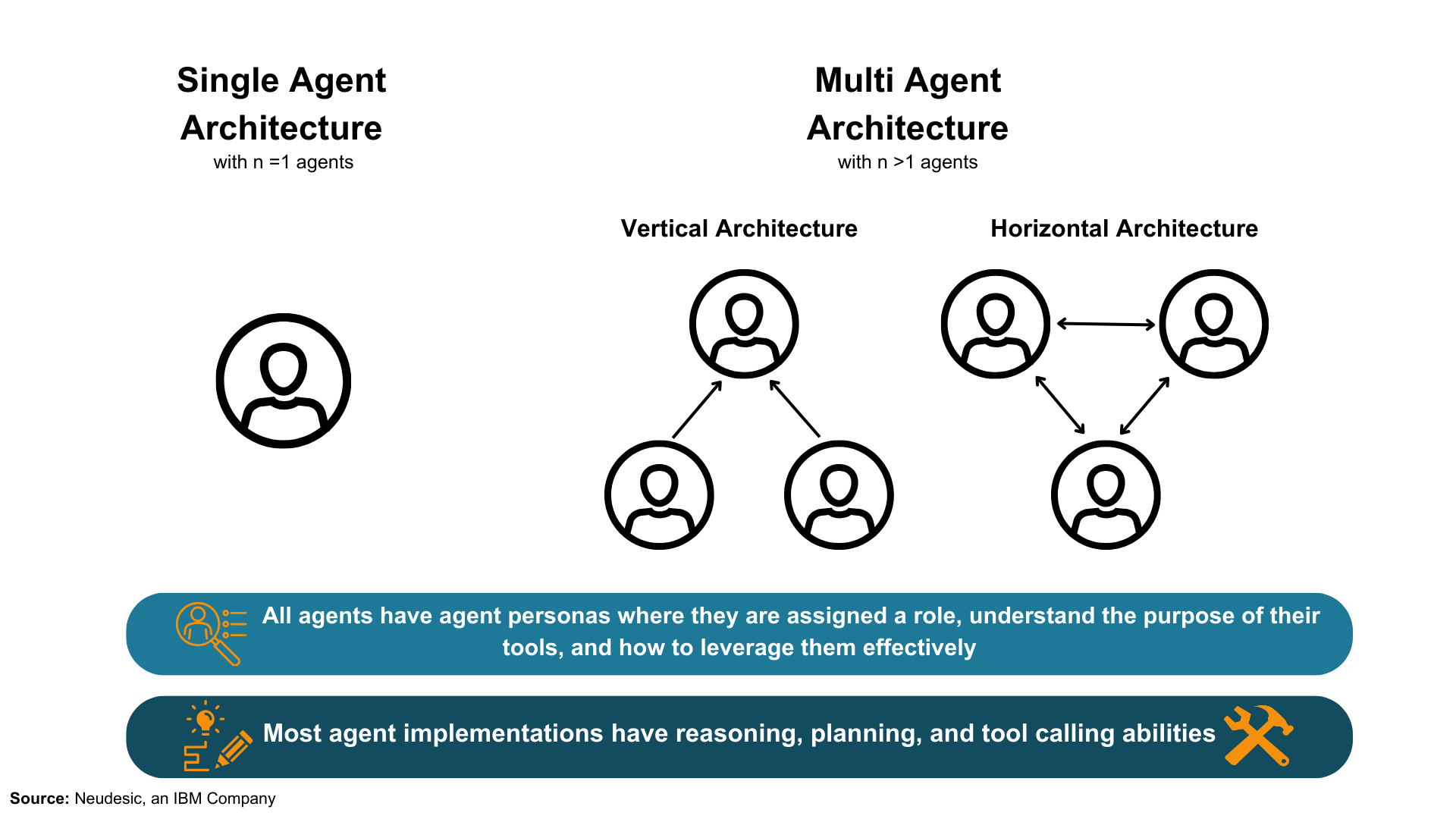
- エージェントアーキテクチャを単一エージェントとマルチエージェントに分類し、縦割りと横断の分類を行う。
- 計画、推論、ツール呼び出しの要件をコアなエージェント機能として分析する。
- リーダーシップ、メモリ、動的なチーム構造が性能に与える影響を評価する。
- ベンチマーク、評価の課題、エージェントシステムの実世界での適用可能性について論じる。
実験結果
リサーチクエスチョン
- RQ1推論、計画、ツール呼び出しにおけるAIエージェントの主なアーキテクチャパターン(単一エージェント vs. マルチエージェント)は何か。
- RQ2リーダーシップ構造、コミュニケーションスタイル、計画フェーズはエージェントの性能にどう影響するか。
- RQ3実世界のタスクにおけるAIエージェントの評価・展開での主な課題は何か。
主な発見
- 単一エージェントのパターンは、ツールが限定され、人間のフィードバックの機会が限られた、明確に定義されたタスクに適している。
- マルチエージェントのパターンは、並列性、多様なペルソナ、協働作業が有益な場合に優れている。
- リーダーと動的で回転するチームは、タスク完了速度を向上させ、コミュニケーションのオーバーヘッドを低減する(例:リーダーを持つチームは約10%早くタスクを完了)。
- 構造化されたコミュニケーション(Publish–Subscribe、情報フィルタリング)と定義された役割は、マルチエージェントシステムの混雑を減らし、調整を改善する。
- 計画フェーズ、フィードバックループ、メモリ/リフレクションは、アーキテクチャを横断して堅牢なゴール達成にとって重要である。
![Figure 2: An example of the ReAct method compared to other methods [ 32 ]](https://ar5iv.labs.arxiv.org/html/2404.11584/assets/x1.png)
より良い研究を、今すぐ始めましょう
論文設計から論文執筆まで、研究時間を劇的に削減しましょう。
クレジットカード登録不要
このレビューはAIが作成し、人間の編集者が確認しました。