
[論文レビュー] Time Series Predictions in Unmonitored Sites: A Survey of Machine Learning Techniques in Water Resources
本サーベイは、観測が行われていない流域における水文的および水質時系列予測のための機械学習手法をレビューし、深層学習、転移学習、知識を統合したモデルに焦点を当てる。データ不足、モデルの解釈可能性、移行性の課題を特定し、予測精度と信頼性を向上させるために、説明可能なAIと水文的プロセス知識の統合の必要性を強調する。
Prediction of dynamic environmental variables in unmonitored sites remains a long-standing challenge for water resources science. The majority of the world's freshwater resources have inadequate monitoring of critical environmental variables needed for management. Yet, the need to have widespread predictions of hydrological variables such as river flow and water quality has become increasingly urgent due to climate and land use change over the past decades, and their associated impacts on water resources. Modern machine learning methods increasingly outperform their process-based and empirical model counterparts for hydrologic time series prediction with their ability to extract information from large, diverse data sets. We review relevant state-of-the art applications of machine learning for streamflow, water quality, and other water resources prediction and discuss opportunities to improve the use of machine learning with emerging methods for incorporating watershed characteristics into deep learning models, transfer learning, and incorporating process knowledge into machine learning models. The analysis here suggests most prior efforts have been focused on deep learning learning frameworks built on many sites for predictions at daily time scales in the United States, but that comparisons between different classes of machine learning methods are few and inadequate. We identify several open questions for time series predictions in unmonitored sites that include incorporating dynamic inputs and site characteristics, mechanistic understanding and spatial context, and explainable AI techniques in modern machine learning frameworks.
研究の動機と目的
- 観測データが乏しいため、未測定流域における水文的変数の予測に生じる重要なギャップを解消すること。
- 河川流出、水質、環境変数の予測における最先端の機械学習手法を統合すること。
- 異なるMLアプローチの長所と短所を評価し、特にプロセスベースのモデルと比較すること。
- データ効率性、モデルの解釈可能性、水文的プロセス知識の統合に関する未解決の研究課題を特定すること。
- 水資源分野におけるMLの今後の研究を導くために、ベストプラクティスと異分野連携の必要性を提示すること。
提案手法
- 2010年から2022年までの未測定流域(PUBs)における機械学習応用に関する230件以上の研究を対象とした体系的レビュー。
- 深層学習(LSTM、GNNs、TCNs)、転移学習、知識を統合したモデル(例:微分可能プロセスベースモデル)に分類。
- 時間スケール(主に日次予測)、地理的焦点(主に米国)、データタイプ(河川流出、水質、湖上温度)ごとのモデル性能を分析。
- SHAP、統合勾配、レイヤーごとの寄与度プロパゲーションなどの解釈可能手法を用いて、モデル意思決定の説明を評価。
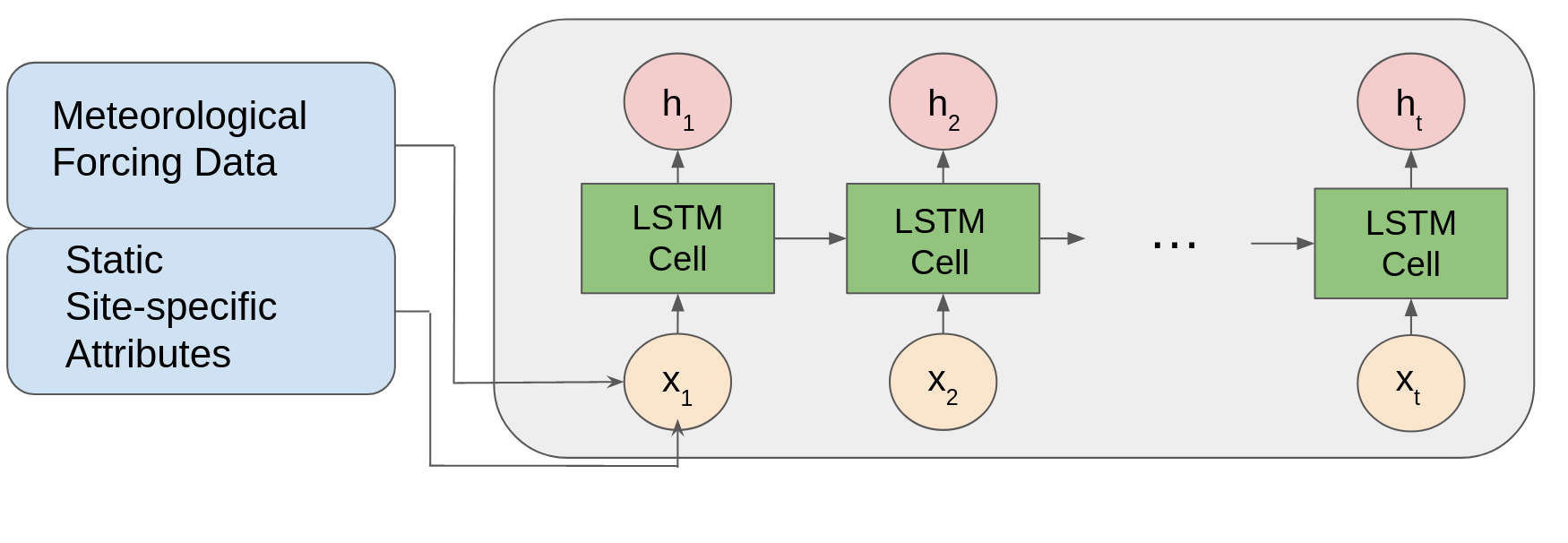
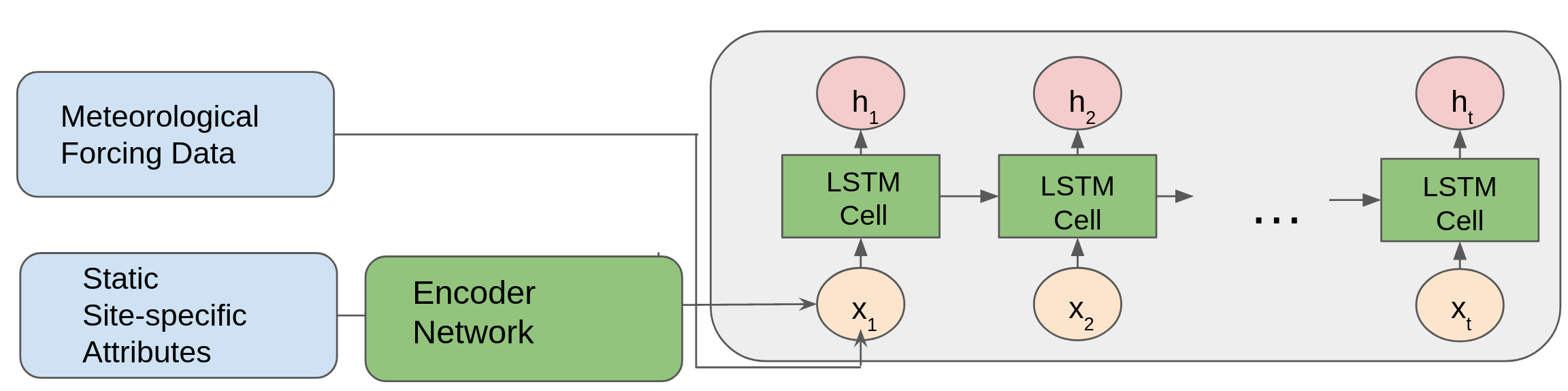
- 集水域の特性と動的入力(例:気象データ)を深層学習フレームワークに統合し、一般化性能の向上を図る。
- 精度、解釈可能性、データ要件の観点から、古典的ML(例:ランダムフォレスト、XGBoost)と深層学習モデルを比較。
実験結果
リサーチクエスチョン
- RQ1LSTM、XGBoost、GNNs などの異なる機械学習モデルは、観測が行われていない流域における河川流出および水質予測において、どのように比較されるか?
- RQ2限られた学習データを有する未測定流域において、転移学習はモデルの一般化性能をどの程度向上させることができるか?
- RQ3どのようにしてプロセスベースの水文的知識を深層学習モデルに埋め込むことで、解釈可能性と物理的整合性を向上させられるか?
- RQ4PUBsにおけるMLの解釈可能手法(XAI)における主な課題は何か。また、SHAP や統合勾配などの手法は、信頼性と利用可能性を向上させるのにどのように寄与するか?
- RQ5動的入力(例:降雨、気温)と空間的文脈を、より良い時空間的予測のためのMLモデルに効果的に統合する方法は何か?
主な発見
- 多数の研究が米国における日次スケールの予測に集中しており、学習データの地理的・時間的多様性に欠けている。
- 十分なデータが利用可能な場合、特にLSTMやGNNsといった深層学習モデルが、従来の経験的およびプロセスベースのモデルを上回る予測精度を示す。
- 監視済み地域からの事前学習モデルを活用することで、転移学習が未測定流域における性能向上に有望である。
- XGBoost やランダムフォレストなどの古典的MLモデルは、小規模データセットでも解釈可能性と頑健性の高さから、広く使用されている。
- 説明可能なAI(XAI)技術としてのSHAP や統合勾配は、LSTM やGNNs などのモデルにおける時間的・空間的注目パターンを明らかにでき、モデルの透明性を高める。
- 進展は見られるが、MLモデルクラス間の体系的比較は稀であり、水質や長期予測の分野においては、標準化されたベンチマークが不足している。
より良い研究を、今すぐ始めましょう
論文の読解から最終レビューまで、研究時間を劇的に削減しましょう。
クレジットカード登録不要
このレビューはAIが作成し、人間の編集者が確認しました。