
[論文レビュー] YOLO-LITE: A Real-Time Object Detection Algorithm Optimized for Non-GPU Computers
YOLO-LITE は YOLOv2 に触発された軽量リアルタイム物体検出器で、非-GPUデバイス上で実行でき、非-GPUハードウェアで21 FPS、VOC mAP 33.77%、COCO mAP 12.26%を達成します。
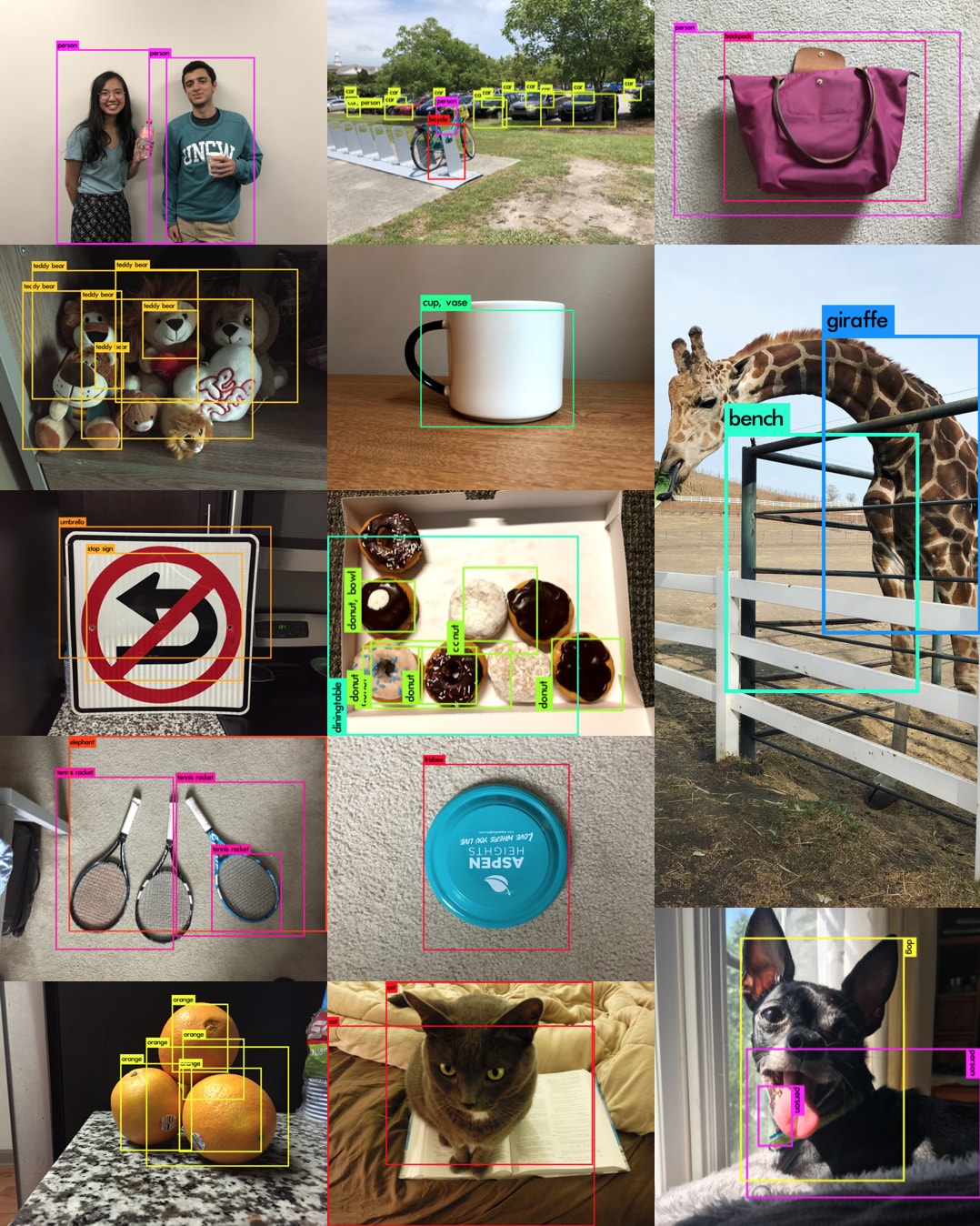
This paper focuses on YOLO-LITE, a real-time object detection model developed to run on portable devices such as a laptop or cellphone lacking a Graphics Processing Unit (GPU). The model was first trained on the PASCAL VOC dataset then on the COCO dataset, achieving a mAP of 33.81% and 12.26% respectively. YOLO-LITE runs at about 21 FPS on a non-GPU computer and 10 FPS after implemented onto a website with only 7 layers and 482 million FLOPS. This speed is 3.8x faster than the fastest state of art model, SSD MobilenetvI. Based on the original object detection algorithm YOLOV2, YOLO- LITE was designed to create a smaller, faster, and more efficient model increasing the accessibility of real-time object detection to a variety of devices.
研究の動機と目的
- 浅いネットワークが非GPUデバイスでリアルタイム物体検出を支援できることを実証する。
- 浅い検出ネットワークにおけるバッチ正規化の必要性を調査する。
- VOC/COCOデータセットに対して実用的な精度を維持する、YOLOv2 を基にした小型かつ高速なバリアントを開発する。
- 軽量検出器のための入力解像度、ネットワークの深さ、速度(FPS)間のトレードオフを評価する。
- モバイルアクセス向けのウェブ展開可能なモデルバージョンを提供する。
提案手法
- Tiny-YOLOv2 から開始し、最終予測層を Tiny-YOLOv2 のままにする状態で、層の追加/削除を反復的に行う。
- PASCAL VOC 2007+2012(20クラス)で訓練し、次に COCO 2014(80クラス)でファインチューニングする。
- 非GPUハードウェア上での速度(FPS)と精度(mAP)を評価し、Tiny-YOLOv2およびSSD Mobilenet V1と比較する。
- 入力画像サイズとバッチ正規化が性能に与える影響を検討する。
- アーキテクチャの差異と FLOPS を記録し、効率性の向上を強調する(例:最良 YOLO-LITE 試行で 482M FLOPS)。
- 訓練済みモデルのウェブ展開を行い、モバイルデバイスでの利用可能性を実証する。
実験結果
リサーチクエスチョン
- RQ1YOLO ベースの検出器を、非GPUデバイス上で実-timeに動作する程度に小型化・高速化(約10–21 FPS)できるか?
- RQ2ネットワークの深さ/幅の削減とバッチ正規化の除去が mAP と FPS に与える影響は?
- RQ3VOC/COCO に対する速度と精度の観点で、YOLO-LITE は既存の高速検出器(Tiny-YOLOv2、SSD Mobilenet V1)とどう比較されるか?
- RQ4速度を狙う浅いネットワークにはバッチ正規化は必要か、また訓練の安定性と推論時間に対する影響は?
- RQ5軽量検出器における入力解像度、FLOPS、mAP のトレードオフは?
主な発見
- Best VOC result: mAP 33.77% at 21 FPS (no batch normalization) on VOC.
- COCO result for the best VOC-trained model: mAP 12.26% at 21 FPS.
- YOLO-LITE best trial (trial 3-no batch) uses 7 layers with 482M FLOPS, yielding 21 FPS on non-GPU hardware.
- Compared to Tiny-YOLOv2 on VOC, YOLO-LITE achieved substantially higher FPS with comparable multi-class scope, while maintaining lower FLOPS (482M vs 6.97B).
- On non-GPU hardware, YOLO-LITE runs at about 21 FPS locally and ~10 FPS on a web deployment, showing strong real-time potential for lightweight devices.
- YOLO-LITE is about 3.8x faster than the fastest state-of-the-art model at the time (SSD Mobilenetv1) with higher FPS for non-GPU contexts.
より良い研究を、今すぐ始めましょう
論文設計から論文執筆まで、研究時間を劇的に削減しましょう。
クレジットカード登録不要
このレビューはAIが作成し、人間の編集者が確認しました。