
[논문 리뷰] Calibration in Deep Learning: A Survey of the State-of-the-Art
이 설문은 최첨단 딥 러닝 보정 방법을 검토하고, 이를 네 가지 범주로 분류하며, 보정 문제의 도전과제, 지표 및 향후 방향을 논의합니다(대규모 모델과 LLM 포함).
Calibrating deep neural models plays an important role in building reliable, robust AI systems in safety-critical applications. Recent work has shown that modern neural networks that possess high predictive capability are poorly calibrated and produce unreliable model predictions. Though deep learning models achieve remarkable performance on various benchmarks, the study of model calibration and reliability is relatively under-explored. Ideal deep models should have not only high predictive performance but also be well calibrated. There have been some recent advances in calibrating deep models. In this survey, we review the state-of-the-art calibration methods and their principles for performing model calibration. First, we start with the definition of model calibration and explain the root causes of model miscalibration. Then we introduce the key metrics that can measure this aspect. It is followed by a summary of calibration methods that we roughly classify into four categories: post-hoc calibration, regularization methods, uncertainty estimation, and composition methods. We also cover recent advancements in calibrating large models, particularly large language models (LLMs). Finally, we discuss some open issues, challenges, and potential directions.
연구 동기 및 목표
- 딥 러닝에서의 모델 보정을 정의하고 잘못 보정되는 근본 원인을 식별한다.
- 최근의 보정 방법과 그 기본 원리를 조사하고 분류한다.
- 보정 지표와 그 편향을 설명하고 대형 모델 및 LLM에의 적용을 논의한다.
- 향후 연구를 위한 개방 이슈, 도전 과제 및 잠재적 방향을 강조한다.
제안 방법
- 보정 방법을 사후 보정(post-hoc calibration), 규제화(regularization), 불확실성 추정(uncertainty estimation), 구성(composition)으로 분류한다.
- 오버파라메트라이제이션, 과적합, 과신과의 관련성을 보정에 연결하여 원리를 설명한다.
- ECE, MCE, CECE, AECE와 같은 측정 지표를 요약하고 신뢰도 다이어그램을 논의한다.
- 제로샷(Zero-shot) 및 몇 샷(Few-shot) 설정을 포함한 대형 사전 학습 모델과 LLM의 보정에 대해 논의한다.
- 개방 이슈와 향후 연구 방향에 대한 논의를 제공한다.
실험 결과
연구 질문
- RQ1현대의 심층 네트워크에서 잘못 보정이 발생하는 원인은 무엇이며 이를 어떻게 완화할 수 있는가?
- RQ2다양한 설정(사후 보정, 규제화, 불확실성, 구성)에서 효과적인 보정 방법과 그 trade-off는 무엇인가?
- RQ3보정 지표가 신뢰성을 어떻게 포착하며 이 지표들에는 어떤 편향이 존재하는가?
- RQ4제로샷/소수 예시 시나리오를 포함하여 대형 모델과 LLM에 대해 보정을 어떻게 효과적으로 달성할 수 있는가?
주요 결과
- 보정 오류는 모델 크기와 능력이 커질수록 훈련 데이터에서의 과파라미터화와 과적합으로 인해 자주 증가한다.
- 온도 스케일링 및 확장과 같은 사후 보정 방법은 재학습 없이 데이터 효율적인 보정을 제공한다.
- 규제화 기반 및 미분 가능한 보정 프록시는 학습 중 보정을 개선할 수 있으며, 때로는 계산 비용이 다르게 나타난다.
- 데이터 증강 및 믹스업은 특히 분포 이동(distribution shift) 하에서 및 이상치(out-of-distribution) 데이터에 대해 보정과 일반화를 개선할 수 있다.
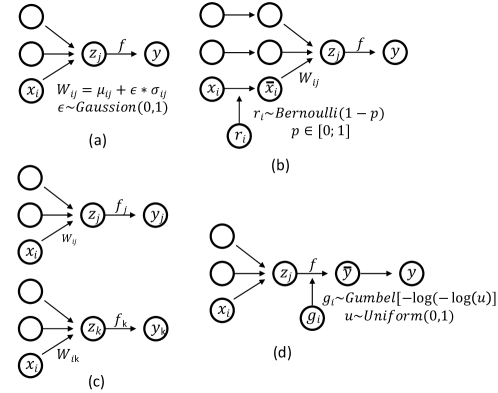
- 불확실성 추정 방법(베이지안 네트, MC 드롭아웃, 앙상블)은 보정과 불확실성 정량화를 함께 제공하지만 다중 추론과 더 높은 계산 비용이 필요하다.
- 대형 모델(LLM 및 비전-언어 모델 포함)의 보정은 고유한 도전과 기회를 제시하며, 프로토타입 보정(prototypical calibration) 및 맥락 보정(contextual calibration) 같은 방법이 가능성을 보여준다.
이 논문 읽기
누빈트 뷰어에서 원문을 열고, 읽으면서 궁금한 곳을 바로 물어보세요.
누빈트에서 이 논문 읽기이 리뷰는 AI가 논문 원문을 바탕으로 만들었습니다. 인용하기 전에 원문을 확인해 주세요.