
[Paper Review] Data Release 1 of the Dark Energy Spectroscopic Instrument
This paper announces Data Release 1 of the Dark Energy Spectroscopic Instrument (DESI) and lists the contributing authors and affiliations.
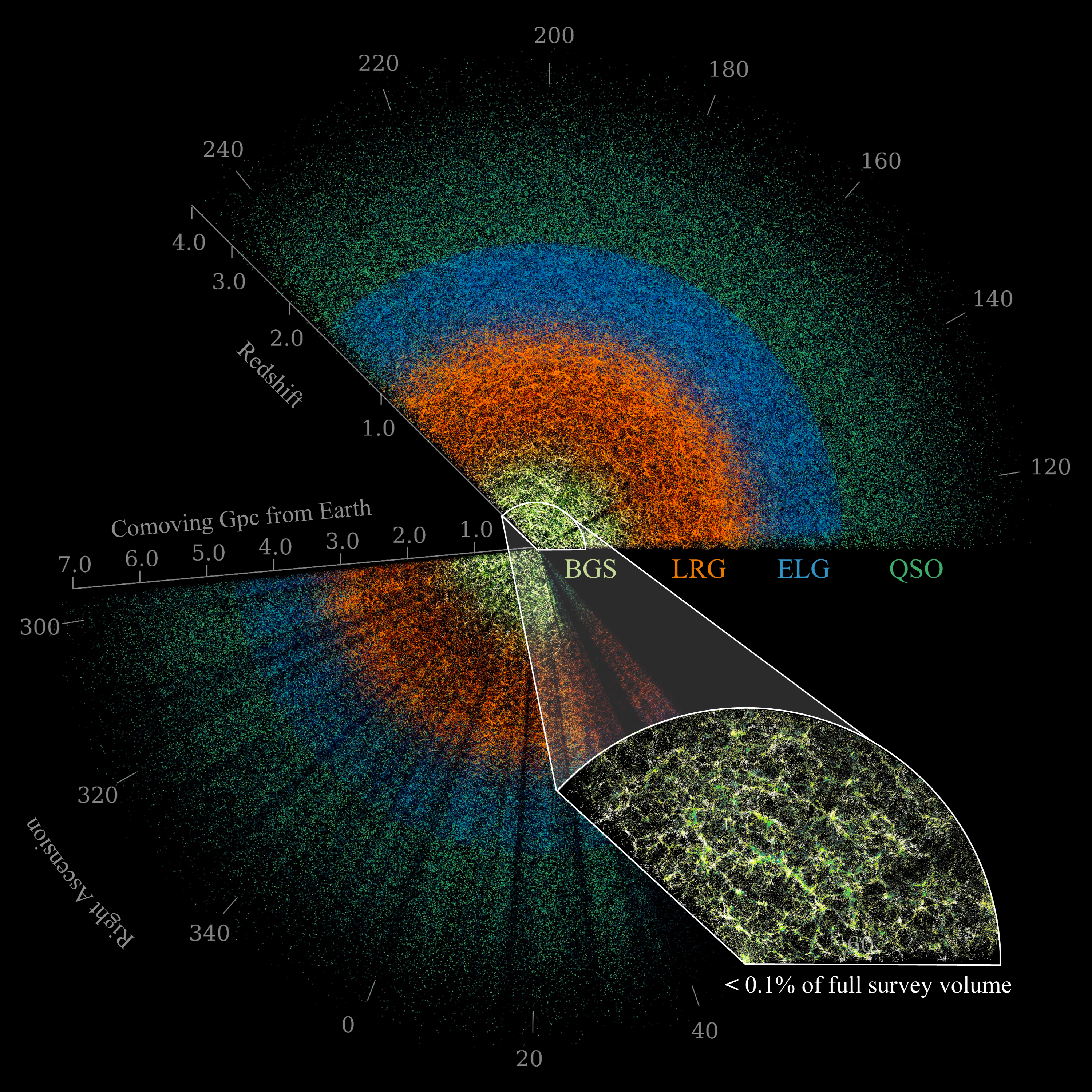
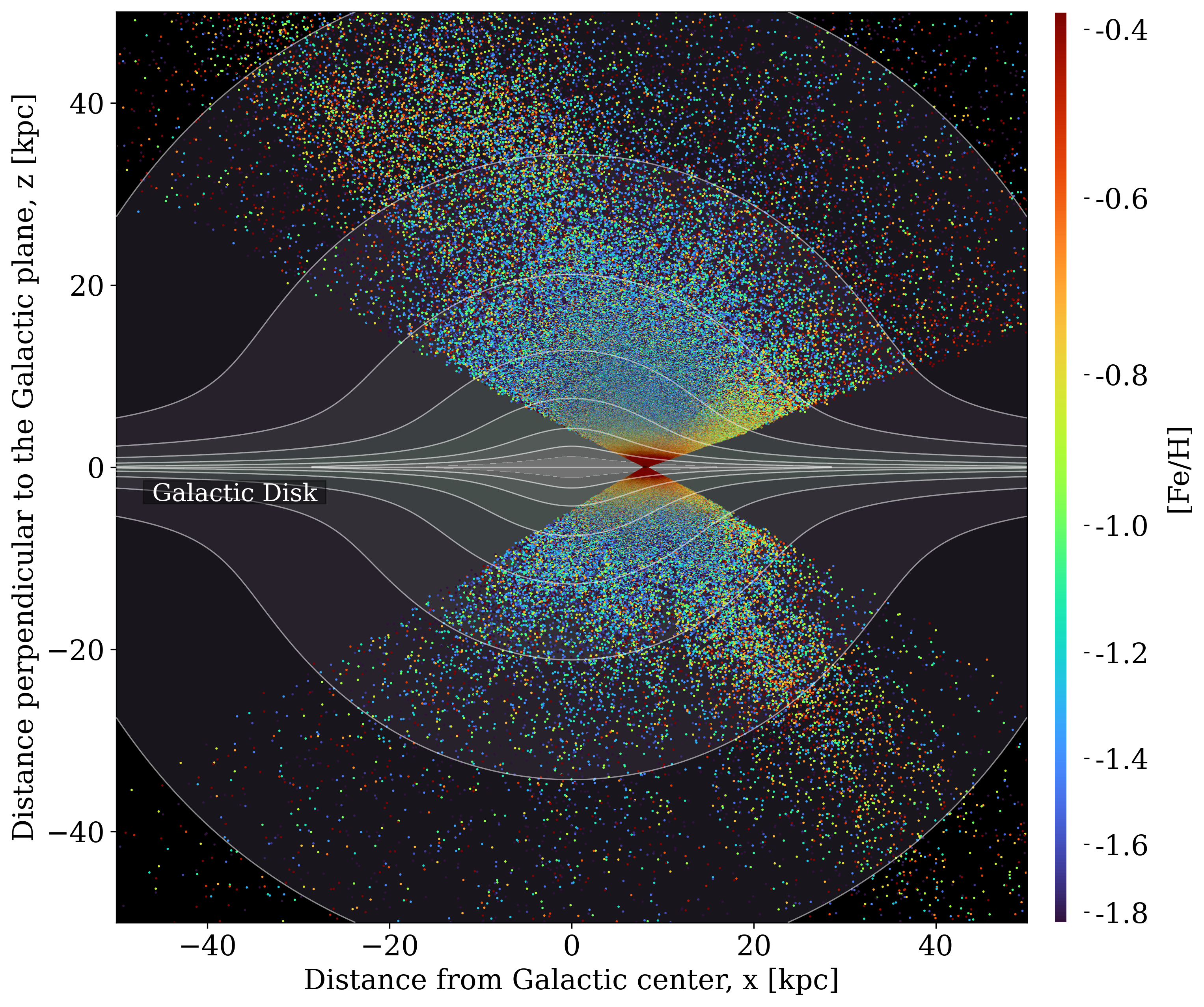
Data Release 1 (DR1) of the Dark Energy Spectroscopic Instrument (DESI) includes the first 13 months of the DESI main survey as well as a uniform reprocessing of the Survey Validation data previously released in the Early Data Release. The full dataset is available at https://data.desi.lbl.gov/doc/releases/dr1. The Zenodo tarball includes all the code and data used to generate the figures and tables in the companion paper describing DR1. See the README.md file for details about the formats of each file as well as a link to the paper.
Motivation & Objective
- Introduce Data Release 1 of the Dark Energy Spectroscopic Instrument (DESI).
- Acknowledge the international collaboration and list contributing authors and affiliations.
- Lay groundwork for the data products and accessibility associated with the release.
Proposed method
- Not described in the provided excerpt.
- No methodological details are available in the given text.
Experimental results
Research questions
- RQ1What data are included in DESI Data Release 1?
- RQ2Who are the major contributors to DESI Data Release 1?
- RQ3How can external researchers access and use DESI Data Release 1 data?
Key findings
- The paper documents the Data Release 1 of DESI.
- A comprehensive list of authors and affiliations is provided.
- The release is positioned as a data and collaboration milestone for DESI.
Read this paper
Open the full text in the Nubint reader and ask about any passage as you read.
Read this paper on NubintThis review was generated by AI from the original paper. Please check the paper before citing it.