
[論文レビュー] Education 5.0: Requirements, Enabling Technologies, and Future Directions
この論文は Education 5.0 を調査し、その要件、実現技術、課題、将来の方向性を概説し、目標と技術を結ぶ二次元フレームワークを提案します。
We are currently in a post-pandemic era in which life has shifted to a digital world. This has affected many aspects of life, including education and learning. Education 5.0 refers to the fifth industrial revolution in education by leveraging digital technologies to eliminate barriers to learning, enhance learning methods, and promote overall well-being. The concept of Education 5.0 represents a new paradigm in the field of education, one that is focused on creating a learner-centric environment that leverages the latest technologies and teaching methods. This paper explores the key requirements of Education 5.0 and the enabling technologies that make it possible, including artificial intelligence, blockchain, and virtual and augmented reality. We analyze the potential impact of these technologies on the future of education, including their ability to improve personalization, increase engagement, and provide greater access to education. Additionally, we examine the challenges and ethical considerations associated with Education 5.0 and propose strategies for addressing these issues. Finally, we offer insights into future directions for the development of Education 5.0, including the need for ongoing research, collaboration, and innovation in the field. Overall, this paper provides a comprehensive overview of Education 5.0, its requirements, enabling technologies, and future directions, and highlights the potential of this new paradigm to transform education and improve learning outcomes for students.
研究の動機と目的
- Education 5.0 と学習者中心のパラダイムを定義する。
- Education 5.0 を実現するためのコア要件を特定する(個別化、協働、ウェルビーイング、柔軟性、データ駆動型の意思決定、セキュリティ、アクセシビリティ)。
- Education 5.0 を推進する実現技術を分析する(AI、ブロックチェーン、VR/AR、IoT、5G、クラウド、ビッグデータ)。
- 学習成果、学習者の関与、教育へのアクセスへの潜在的影響を評価する。
- Education 5.0 の実装を評価するためのロードマップと指標を提案する。
提案手法
- 関連概念(Education 1.0–4.0)および新たな Education 5.0 の概念の文献調査。
- 教育目標(x軸)を技術(y軸)に対応づける二次元フレームワーク。
- 既存の調査とチュートリアルから要件と実現技術の統合。
- 課題、倫理的配慮、およびそれらに対処する戦略についての議論。
- 研究、協力、イノベーションを強調した将来の方向性の提案。
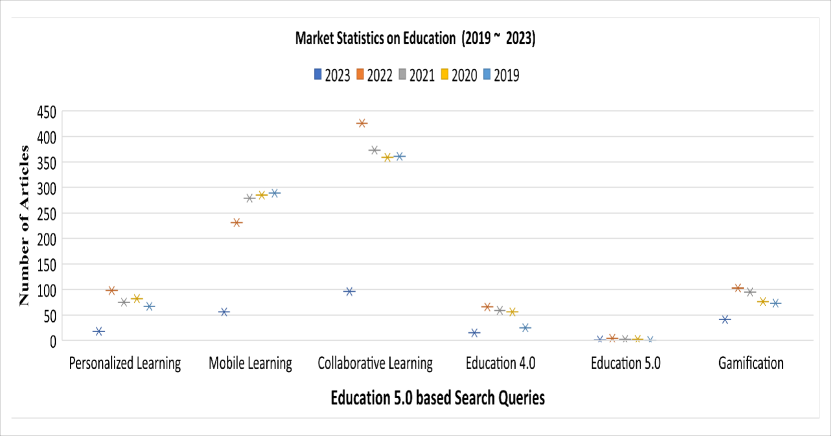
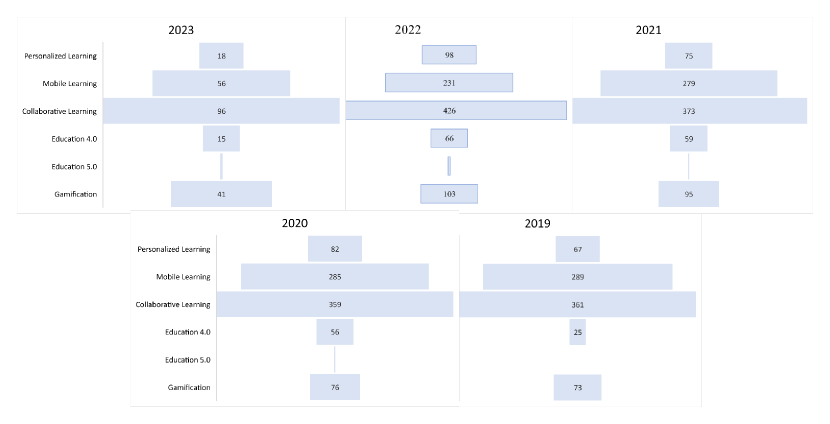
実験結果
リサーチクエスチョン
- RQ1Education 5.0 を実現するための核となる要件は何か?
- RQ2Education 5.0 の目標を支援するために不可欠な実現技術は何か?
- RQ3Education 5.0 を実装する際の主な課題と倫理的配慮は何か?
- RQ4Education 5.0 を進展させるために必要な将来の方向性と研究ニーズは何か?
- RQ5指標とガバナンスは Education 5.0 の導入と評価をどう導くことができるか?
主な発見
- Education 5.0 は AI、VR/AR、IoT、ブロックチェーン、その他のデジタルツールを通じて、個別化された学習、協働、ウェルビーイングを促進することを目指す。
- グローバル教育技術市場は、2021年から2025年の間に CAGR 17% で成長すると見込まれ、eラーニング市場は2021年から2026年の間に CAGR 14.6% で、2026年までに $374.3 billion に達すると予測されている。
- 本論文は、個別化された学習、協働、21世紀のスキル、柔軟性/アクセシビリティ、データ駆動型の意思決定、セキュリティ/プライバシー、高速ネットワークなど、複数の要件を特定している。
- 課題と倫理的配慮には、公平性、データプライバシー、ガバナンスと継続的なイノベーションの必要性が含まれる。
- 教育目標と実現技術を結ぶ二次元フレームワークが提案され、Education 5.0 のロードマップを位置づけている。
より良い研究を、今すぐ始めましょう
論文設計から論文執筆まで、研究時間を劇的に削減しましょう。
クレジットカード登録不要
このレビューはAIが作成し、人間の編集者が確認しました。