
[論文レビュー] Google Scholar is manipulatable
本研究は、引用購入と偽のプロフィールを通じて Google Scholar が操作可能であることを示し、引用数が購入できるだけでなく、評価的文脈で誤解を招く可能性を示す証拠を提供します。
Citations are widely considered in scientists' evaluation. As such, scientists may be incentivized to inflate their citation counts. While previous literature has examined self-citations and citation cartels, it remains unclear whether scientists can purchase citations. Here, we compile a dataset of ~1.6 million profiles on Google Scholar to examine instances of citation fraud on the platform. We survey faculty at highly-ranked universities, and confirm that Google Scholar is widely used when evaluating scientists. Intrigued by a citation-boosting service that we unravelled during our investigation, we contacted the service while undercover as a fictional author, and managed to purchase 50 citations. These findings provide conclusive evidence that citations can be bought in bulk, and highlight the need to look beyond citation counts.
研究の動機と目的
- 研究 recruitment や promotion の決定において、研究者がどれだけ引用指標に依存しているかを評価する。
- トップ大学の学者の間で Google Scholar の引用データ源としての重要性を定量化する。
- 疑わしい Google Scholar プロファイルのパターンと潜在的な操作手法を特定する。
- 引用の購入が実現可能であることと、それが測定指標に与える影響を示す。
- 潜在的に疑わしい引用活動をフラグする指標(c2-index)を提案する。
提案手法
- 引用データの出典を特定するために、上位10大学の教員を調査する。
- 1.6百万人を超える Google Scholar プロフィールのデータセットを整理し、 irregular な引用パターンを分析する。
- 架空の著者に対して 50 の引用を購入する undercover 実験を実施し、実現可能性を示す。
- 架空の Google Scholar プロファイルを作成し、AI生成記事をアップロードしてモデレーションとインデックス登録を検証する。
- 第三者サービスを介して引用を購入し、.bulk 操作の証拠となる引用論文を分析する。
- c2-index(citation concentration index)を導入し、強く集中した大量引用をフラグする。
実験結果
リサーチクエスチョン
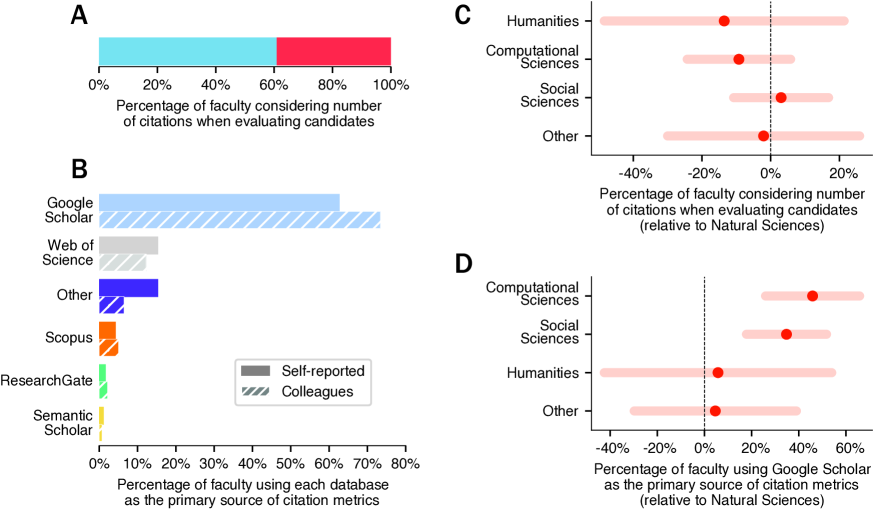
- RQ1候補者を評価する際に、教員が Google Scholar を引用指標の主要な情報源として使用している prevalenc e はどの程度か?
- RQ2Google Scholar のプロファイルは引用購入や他の手段で操作され得るか?
- RQ3どの程度引用を購入でき、そのような購入が論文間の引用パターンにどのように現れるか?
- RQ4簡易指標(c2-index)は Google Scholar での疑わしい引用行動を識別するのに役立つか?
- RQ5人工的に生成されたコンテンツに直面した場合、Google Scholar の moderat ion と indexing の脆弱性は何か?
主な発見
- Google Scholar は評価者の間で最も人気の引用指標の情報源であり、引用を考慮する回答者の60%以上が利用している。
- 概念実証として、架空の著者に対して数週間で50の引用を購入できることを示し、大量引用操作が実現可能であることを示した。
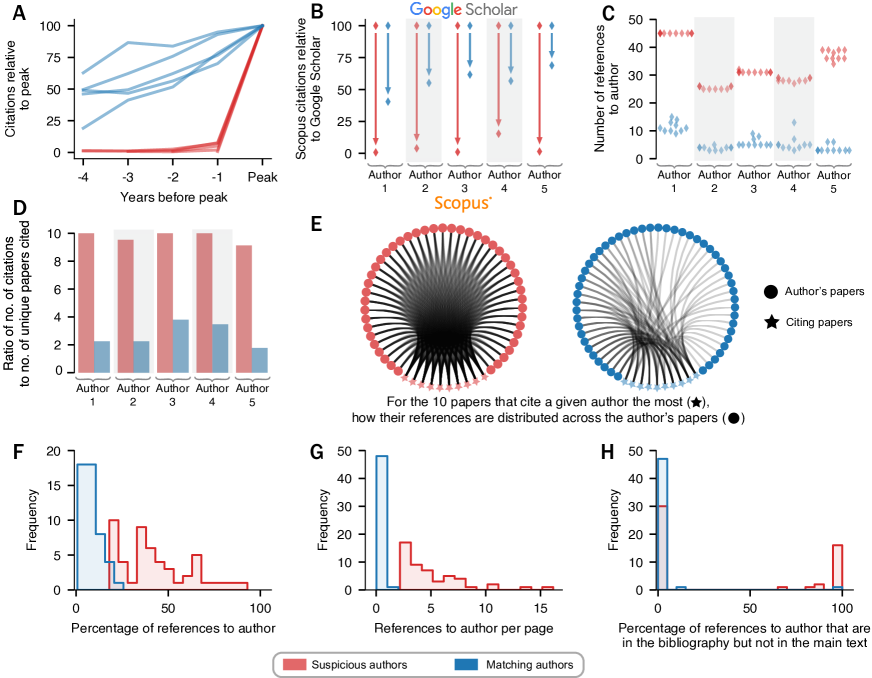
- 疑わしいプロフィールは、突然のピーク年における引用の急増、少数の論文からの高濃度の引用、プレプリントなどの非伝統的な情報源の多用を特徴とする。
- Scopus と比較して、疑わしい著者の引用件数は大幅に減少する(平均 96% 対 43%)、データベース間の不整合を示唆。
- c2-index は多数の論文からの異常に高い引用集中を検出し、調整後の c2-index は潜在的な操作リスクを浮き彫りにする。
- 引用は元の論文が削除された後も Google Scholar に残存する可能性があり、 robust なモデレーションなしにはインデックスされうることを示唆。
より良い研究を、今すぐ始めましょう
論文設計から論文執筆まで、研究時間を劇的に削減しましょう。
クレジットカード登録不要
このレビューはAIが作成し、人間の編集者が確認しました。