
[論文レビュー] PubChemQC B3LYP/6-31G*//PM6 dataset: the Electronic Structures of 86 Million Molecules using B3LYP/6-31G* calculations
本論文では、DFT(B3LYP/6-31G*)およびPM6手法を用いて計算された8,590万個の分子の電子構造を網羅的に収集したPubChemQC B3LYP/6-31G*//PM6データセットを紹介する。このデータセットは、ドラッグディスcoveryおよび材料科学分野におけるハイブリッドスクリーニングおよび機械学習応用を可能にし、特にCHON300サブセットにおけるHOMO-LUMOギャップ予測のR²値が0.892であるという主要な結果を示している。
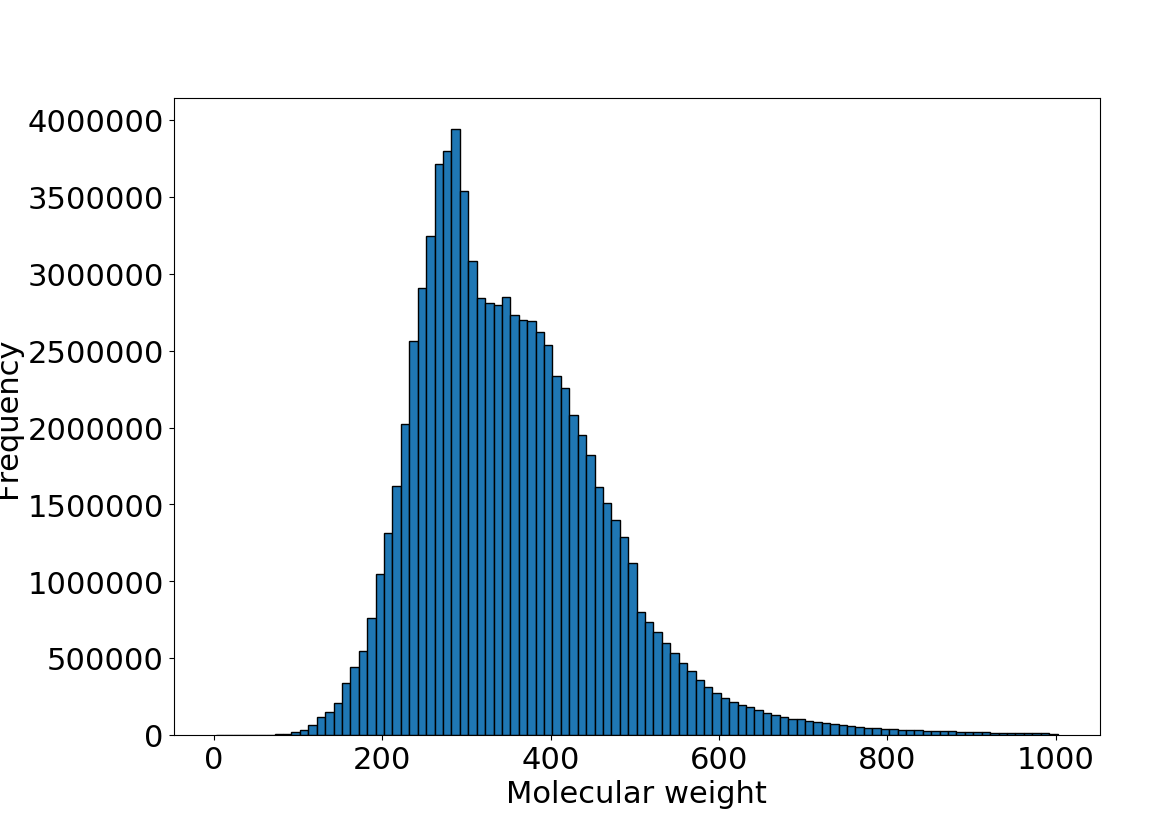
This article presents the "PubChemQC B3LYP/6-31G*//PM6" dataset, containing electronic properties of 85,938,443 molecules. It includes orbitals, orbital energies, total energies, dipole moments, and other relevant properties. The dataset encompasses a wide range of molecules, from essential compounds to biomolecules up to 1000 molecular weight, covering 94.0% of the original PubChem Compound catalog (as of August 29, 2016). The electronic properties were calculated using the B3LYP/6-31G* and PM6 methods. The dataset is available in three formats: (i) GAMESS quantum chemistry program files, (ii) selected JSON output files, and (iii) a PostgreSQL database, enabling researchers to query molecular properties. Five sub-datasets offer more specific data. The first two subsets include molecules with C, H, O, and N, under 300 and 500 molecular weight respectively. The third and fourth subsets contain C, H, N, O, P, S, F, and Cl, under 300 and 500 molecular weight respectively. The fifth subset includes C, H, N, O, P, S, F, Cl, Na, K, Mg, and Ca, under 500 molecular weight. Coefficients of determination ranged from 0.892 (CHON500) to 0.803 (whole) for the HOMO-LUMO energy gap. These findings represent extensive investigations and can be utilized for drug discovery, material science, and other applications. The datasets are available under the Creative Commons Attribution 4.0 International license at https://nakatamaho.riken.jp/pubchemqc.riken.jp/b3lyp_pm6_datasets.html.
研究の動機と目的
- 多様な有機化合物およびバイオ分子に対して、大規模かつ公開可能な電子的性質のデータセットを生成し、ハイブリッドスクリーニングを支援すること。
- QM9 や ANI-1 といった既存の量子化学データセットの制限(例:分子数や元素の多様性、分子量範囲)を克服し、8600万個の分子をカバーする広範な元素の多様性と分子量範囲を実現すること。
- HOMO-LUMOギャップ、双極子モーメント、全エネルギーといった一貫性があり高品質な電子構造データを提供することで、ドラッグディスcoveryおよび材料科学分野における機械学習応用を可能にすること。
- JSON、PostgreSQL、GAMESS入出力フォーマットの3つの形式でデータを提供し、研究分野を越えての利用可能性を高めること。
- ドラッグライクな分子(C, H, O, N)やバイオ分子(P, S,ハロゲン、金属を含む)に特化したサブデータセットを整備し、ターゲット特化分析を強化すること。
提案手法
- 2016年8月29日時点のPubChem Compoundデータベースから抽出された分子構造に基づき、B3LYP/6-31G*法を用いて電子的性質を計算した。このデータはカタログの94.0%をカバーしている。
- 初期の分子構造をPM6半経験的計算で生成し、その後、B3LYP/6-31G*法を用いた単一状態エネルギーおよびオービタル計算の入力として使用した。
- 元素組成および分子量のしきい値に基づき、5つのサブデータセット(例:CHON300nosalt, CHON500nosalt, CHONPSFCl300nosalt など)に分類し、特定の研究目的を支援した。
- GAMESS入出力ファイル、構造化されたJSON抽出データ、およびPostgRESTによる全文検索およびフィルタリング機能を備えたPostgreSQLデータベースの3つのフォーマットでデータを提供した。
- B3LYP/6-31G*を基準として、サブデータセット全体でHOMO-LUMOギャップ予測のR²値を計算し、データセットの予測能力を検証した。
- Docker化されたPostgreSQLおよびPostgRESTサービスを介してプログラムによるアクセスを可能にし、SMILES、エネルギーギャップ、双極子モーメントなどのプロパティで分子を照会できるようにした。
実験結果
リサーチクエスチョン
- RQ1B3LYP/6-31G*およびPM6手法を用いて、8600万個の分子の電子的性質を一貫して生成した大規模なデータセットを構築できるか。
- RQ2B3LYP/6-31G*の電子的性質は、特にHOMO-LUMOエネルギー差に関して、多様な分子サブセットにおいて基準データとどの程度相関しているか。
- RQ3特定の元素組成および分子量制限を設けたサブデータセットは、ドラッグディスcoveryおよび材料科学分野における予測モデルの精度と関連性をどの程度向上できるか。
- RQ4最大50TBに達する大規模なデータセットを、PostgreSQLおよびDockerを用いてスケーラブルかつクエリに適したフォーマットで展開することは可能か。
- RQ5量子化学的データを公開データベースに統合することで、OLEDや高エネルギー密度バッテリー材料といった新素材の発見をどの程度加速できるか。
主な発見
- データセットは85,938,443個の分子を含み、2016年8月29日時点のPubChem Compoundカタログの94.0%をカバーしている。電子的性質は、PM6で最適化された構造を基にB3LYP/6-31G*法で計算された。
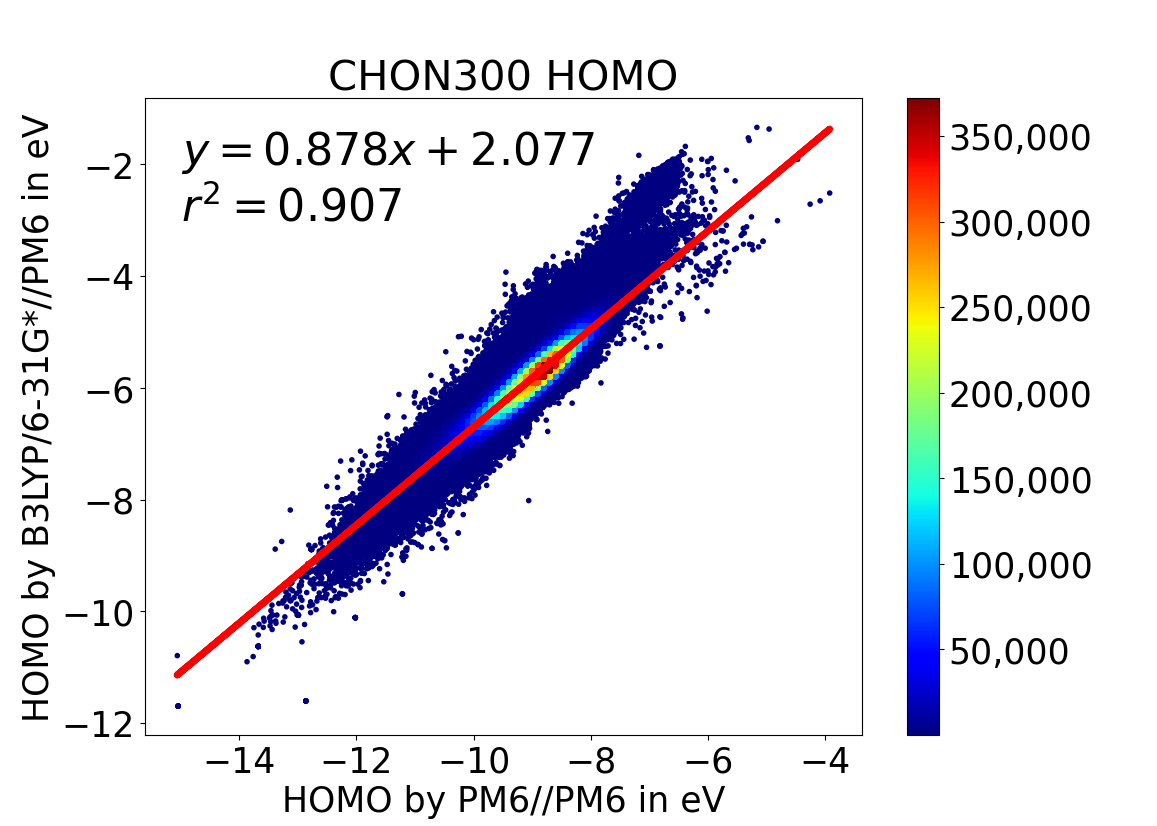
- HOMO-LUMOギャップ予測のR²値は、全データセットで0.803、CHON300nosaltサブセットで0.892の範囲にあり、電子構造のトレンド予測に強い予測力があることが示された。
- 元素の多様性と分子量の上限を段階的に高めた5つのサブデータセットを構築した。CHON300nosalt(R² = 0.892)、CHON500nosalt(R² = 0.892)、CHONPSFCl500nosalt(R² = 0.803)を含み、ターゲット特化応用を可能にした。
- データは3つのフォーマットで提供可能:完全なGAMESS入出力ファイル、構造化されたJSON、およびPostgRESTインターフェースを備えた完全にクエリ可能なPostgreSQLデータベース。
- 双極子モーメント、全エネルギー、オービタルエネルギーなどの分子性質のハイブリッドスクリーニングが可能であり、例としてC3H4O4(ギャップ = 4.76 eV、双極子 = 2.38 D)のような分子がクエリで返された。
- 今後の機械学習モデルの精度向上を図るため、CRESTで最適化されたコンformation、およびより高精度なDFT法(例:ωB97X-D/def2-SVP)を用いた計算を含める予定である。
より良い研究を、今すぐ始めましょう
論文の読解から最終レビューまで、研究時間を劇的に削減しましょう。
クレジットカード登録不要
このレビューはAIが作成し、人間の編集者が確認しました。