
[論文レビュー] The Solar Orbiter Science Activity Plan: translating solar and heliospheric physics questions into action
本論文は、太陽およびヘリオスフィア科学研究の最重要課題を、機器固有の観測モード(SOOP)を用いた実行可能な観測シーケンスに変換する包括的で動的な運用戦略、Solar Orbiter Science Activity Plan(SAP)を提示する。このSAPは、クルーズ飛行段階および本格運用段階を含むすべてのミッションフェーズにおいて、リモートセンシング機器とインサイトインストルメントを連携させることで、最適な科学的成果を達成する。リアルタイムデータに基づく適応的計画と、Parker Solar Probeなどのミッションとの共同観測を組み合わせることで、柔軟かつ効果的な運用を実現する。
Solar Orbiter is the first space mission observing the solar plasma both in situ and remotely, from a close distance, in and out of the ecliptic. The ultimate goal is to understand how the Sun produces and controls the heliosphere, filling the Solar System and driving the planetary environments. With six remote-sensing and four in-situ instrument suites, the coordination and planning of the operations are essential to address the following four top-level science questions: (1) What drives the solar wind and where does the coronal magnetic field originate? (2) How do solar transients drive heliospheric variability? (3) How do solar eruptions produce energetic particle radiation that fills the heliosphere? (4) How does the solar dynamo work and drive connections between the Sun and the heliosphere? Maximising the mission's science return requires considering the characteristics of each orbit, including the relative position of the spacecraft to Earth (affecting downlink rates), trajectory events (such as gravitational assist manoeuvres), and the phase of the solar activity cycle. Furthermore, since each orbit's science telemetry will be downloaded over the course of the following orbit, science operations must be planned at mission level, rather than at the level of individual orbits. It is important to explore the way in which those science questions are translated into an actual plan of observations that fits into the mission, thus ensuring that no opportunities are missed. First, the overarching goals are broken down into specific, answerable questions along with the required observations and the so-called Science Activity Plan (SAP) is developed to achieve this. The SAP groups objectives that require similar observations into Solar Orbiter Observing Plans (SOOPs), resulting in a strategic, top-level view of the optimal opportunities for science observations during the mission lifetime.
研究の動機と目的
- Solar Orbiterミッションのための包括的で実行可能な観測戦略に、最上位レベルの太陽およびヘリオスフィア科学研究の目的を統合する。
- 制限された宇宙船リソースの中で、高フレームレート・高分解能リモートセンシング観測を最大限に活用する技術的・運用的課題を解決する戦略を確立する。
- クルーズ段階における機器の完全な準備状態とキャリブレーションを、専用のリモートセンシングチェックアウトウィンドウ(RSCWs)を用いて確保する。
- Parker Solar Probe や BepiColombo などの他の宇宙ミッションと共同観測を可能にし、科学的相乗効果を高める。
- 新しいデータや科学的知見に応じて柔軟かつ継続的に進化する計画を維持し、長期的なミッションの適応性を確保する。
提案手法
- 国際的な太陽およびヘリオフィジックスコミュニティからのフィードバックを統合した、ミッション全体の運用フレームワークとしてのScience Activity Plan(SAP)の開発。
- 特定の科学的目標に適合するようにカスタマイズされた機器モードを定義するための、モジュラー構成要素としてのSolar Orbiter Observing Plans(SOOPs)の使用。
- 段階的運用概念の実装:クルーズ段階(制限付きインサイト運用、キャリブレーションのためのRSCWs)、本格運用段階(完全な科学運用)、延長段階(適応的計画に基づく継続的科学運用)。
- 科学運用センターおよびプロジェクト科学者と連携し、運用手順と機器スケジューリングの最適化を図る。
- ミッションの整合性とデータ共有プロトコルを活用して、他のミッションとの共同観測機会を統合する。
- 新たなデータや科学的理解が得られるたびにSAPを定期的に見直し・改訂することで、柔軟性を確保する。
実験結果
リサーチクエスチョン
- RQ1最も重要な太陽およびヘリオスフィア科学研究の問いを、Solar Orbiterのための実行可能な観測シーケンスに体系的に変換する方法は何か?
- RQ2限られた宇宙船リソースの中で、高フレームレート・高分解能リモートセンシングおよびインサイト測定を最適に活用する運用戦略は何か?
- RQ3クルーズ段階において、専用のチェックアウトウィンドウ(RSCWs)を用いてリモートセンシング機器をどのようにキャリブレーションし、本格運用に備えることができるか?
- RQ4Parker Solar Probe などの他の宇宙ミッションと行う共同観測が、Solar Orbiterの科学的成果に果たす役割は何か?
- RQ5ミッション期間中に新たなデータや科学的知見が得られる中で、Science Activity Plan(SAP)はどのようにして柔軟かつ反応的であり続け、進化を続けることができるか?
主な発見
- SAPは、機器固有のSOOPを用いて、最上位の科学的目標を体系的かつ実行可能な計画に変換し、太陽およびヘリオスフィア現象の包括的カバーを実現した。
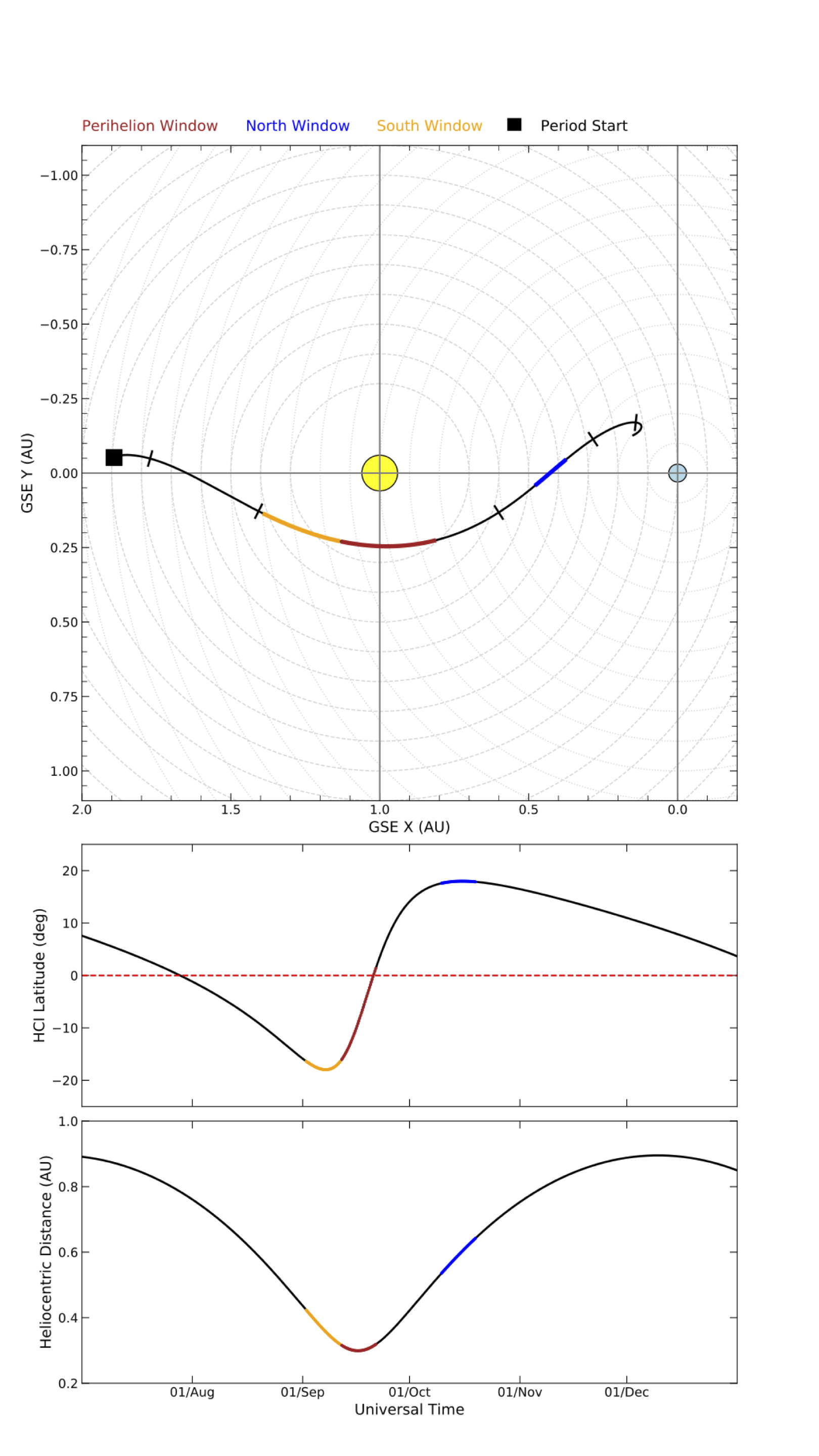
- 2020年から2021年にかけて、4つの専用リモートセンシングチェックアウトウィンドウ(RSCWs)を計画し、さまざまな熱的および距離的条件下でリモートセンシング機器のキャリブレーションと特性評価を実施した。これにより、本格運用段階に向けた完全な準備が確保された。
- インサイト機器はクルーズ段階を通じて通常モードで継続的に運用され、スケジュールされたバースト観測を実施することで、データの継続性と科学運用への準備が確保された。
- Parker Solar Probe や BepiColombo などの他のミッションと協力し、独自の共同観測機会を達成した。これにより、科学的文脈の拡充と分解能の向上が実現された。
- SAPは、新たなデータや科学的理解の進展に応じて定期的に見直され、適応可能な動的な計画として設計されており、長期的な科学的成果の最大化に貢献している。
- 国際科学コミュニティ、機器チーム、ミッション運用から得られるフィードバックを統合することで、すべての科学的目標が最適な方法で達成されている。
より良い研究を、今すぐ始めましょう
論文設計から論文執筆まで、研究時間を劇的に削減しましょう。
クレジットカード登録不要
このレビューはAIが作成し、人間の編集者が確認しました。