
[Paper Review] The What, Why, and How of Context Length Extension Techniques in Large Language Models -- A Detailed Survey
A comprehensive survey of context length extension techniques for LLMs, categorizing interpolation and extrapolation methods, and reviewing positional, memory, retrieval, and fine-tuning approaches plus evaluation challenges.
The advent of Large Language Models (LLMs) represents a notable breakthrough in Natural Language Processing (NLP), contributing to substantial progress in both text comprehension and generation. However, amidst these advancements, it is noteworthy that LLMs often face a limitation in terms of context length extrapolation. Understanding and extending the context length for LLMs is crucial in enhancing their performance across various NLP applications. In this survey paper, we delve into the multifaceted aspects of exploring why it is essential, and the potential transformations that superior techniques could bring to NLP applications. We study the inherent challenges associated with extending context length and present an organized overview of the existing strategies employed by researchers. Additionally, we discuss the intricacies of evaluating context extension techniques and highlight the open challenges that researchers face in this domain. Furthermore, we explore whether there is a consensus within the research community regarding evaluation standards and identify areas where further agreement is needed. This comprehensive survey aims to serve as a valuable resource for researchers, guiding them through the nuances of context length extension techniques and fostering discussions on future advancements in this evolving field.
Motivation & Objective
- Motivate the importance of extending context length for LLMs across NLP tasks.
- Provide an organized taxonomy of context length extension techniques (interpolation vs extrapolation).
- Survey existing mechanisms (positional encodings, memory/retrieval, attention modifications) and their zero-shot and fine-tuned variants.
- Discuss evaluation standards, challenges, and consensus gaps in context length extension research.
- Highlight open challenges and directions for future work in extending context length.
Proposed method
- Proposes a taxonomy separating interpolation and extrapolation techniques, with zero-shot and fine-tuned branches.
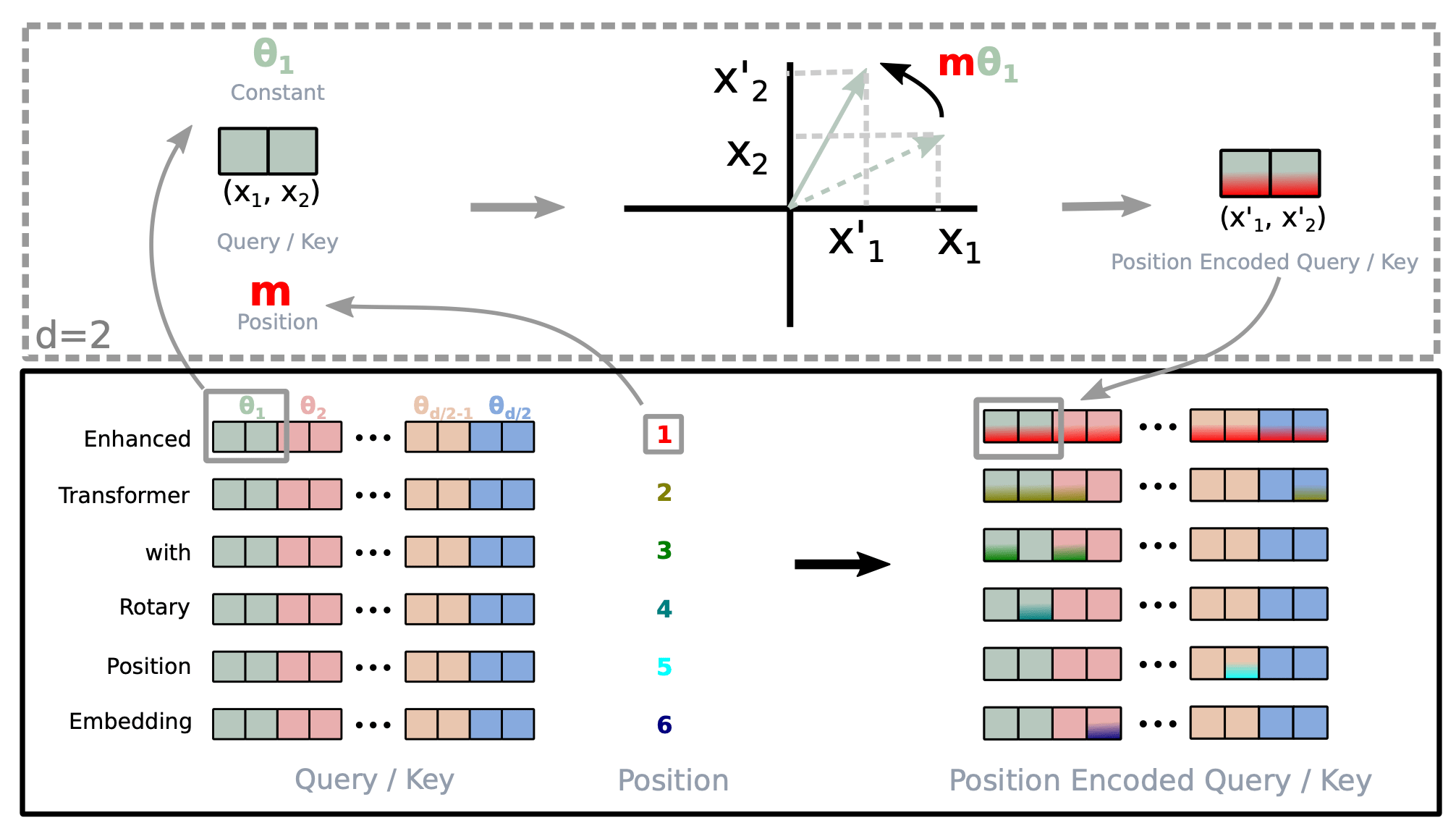
- Reviews positional encoding methods (RoPE, ALiBi, etc.) and their extrapolation properties.
- Survey specialized attention, window-based, and memory/retrieval approaches for long contexts.
- Examines interpolation approaches like PI, NTK-aware methods, and memory-inspired techniques (Landmark Attention, TiM).
- Summarizes zero-shot vs fine-tuned strategies and their applicability to long-context tasks.

Experimental results
Research questions
- RQ1What are the main techniques used to extend context length in LLMs?
- RQ2How do interpolation and extrapolation methods differ in their approach and applicability?
- RQ3What are the strengths and limitations of positional encodings, specialized attention, and memory-based methods for long contexts?
- RQ4What challenges exist in evaluating context length extension techniques and is there consensus on standards?
Key findings
- Multiple long-context strategies exist, with RoPE-based, ALiBi, and PI as prominent zero-shot extrapolation techniques.
- RoPE and its variants enable relative positional information and improved extrapolation across long sequences.
- Memory/retrieval approaches and landmark tokens can reduce computation and enable longer contexts during training or inference.
- Interpolation and NTK-aware methods can adapt pre-trained models to longer contexts with varying data requirements.
- Efficiency gains and stability improvements are observed with certain extrapolation techniques, though trade-offs remain in accuracy and resource use.
Read this paper
Open the full text in the Nubint reader and ask about any passage as you read.
Read this paper on NubintThis review was generated by AI from the original paper. Please check the paper before citing it.