
[论文解读] Healthcare Data Governance, Privacy, and Security -- A Conceptual Framework
本文提出了一种以隐私和安全为核心的医疗数据治理概念框架,将数据隐私与安全设计(PSbD)与隐私增强技术(PETs)及基于策略的合规性检查相结合。该框架通过在整个数据生命周期中嵌入隐私保护,解决了电子健康记录中的系统性漏洞,提供一种主动的、合规就绪的模型,以减轻数据泄露和内部威胁。
The abundance of data has transformed the world in every aspect. It has become the core element in decision making, problem solving, and innovation in almost all areas of life, including business, science, healthcare, education, and many others. Despite all these advances, privacy and security remain critical concerns of the healthcare industry. It is important to note that healthcare data can also be a liability if it is not managed correctly. This data mismanagement can have severe consequences for patients and healthcare organisations, including patient safety, legal liability, damage to reputation, financial loss, and operational inefficiency. Healthcare organisations must comply with a range of regulations to protect patient data. We perform a classification of data governance elements or components in a manner that thoroughly assesses the healthcare data chain from a privacy and security standpoint. After deeply analysing the existing literature, we propose a conceptual privacy and security driven healthcare data governance framework.
研究动机与目标
- 解决医疗数据治理中隐私被视作事后考虑而非核心设计原则的长期缺口。
- 减轻电子健康记录(EHRs)中因数据泄露、内部威胁及监管不合规带来的风险。
- 开发一个全面的、以隐私与安全为驱动的概念性框架,适用于整个医疗数据生命周期。
- 通过将基于策略的自动化合规性检查嵌入数据治理流程,确保与不断演变的法规保持一致。
- 通过在医疗系统中统一隐私、安全与数据完整性,提升数据质量和信任度。
提出的方法
- 开展系统性文献综述,对医疗数据链中隐私与安全相关的数据治理组件进行分类。
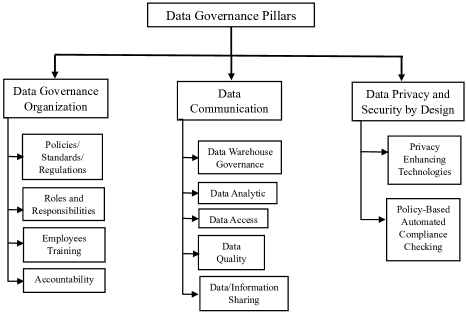
- 提出一个三支柱概念性框架:(1)数据治理,(2)隐私与安全设计(PSbD),(3)通过PETs与基于策略的合规性实现数据加固。
- 整合隐私增强技术(PETs),如差分隐私、同态加密和安全多方计算,以在处理过程中保护敏感数据。
- 实施基于策略的自动化合规性检查系统,通过监控日志、事务和访问模式,检测对隐私与安全策略的偏离。
- 围绕六个数据质量维度——准确性、完整性、一致性、唯一性、时效性与有效性——构建框架,以确保可靠且安全的数据处理。
- 在系统设计、开发与部署阶段嵌入PSbD原则,主动预防隐私违规行为。
实验结果
研究问题
- RQ1如何重构医疗数据治理,使其将隐私与安全作为基础要素,而非次要考虑?
- RQ2一个全面的、以隐私与安全为驱动的医疗数据治理框架,其关键组成部分是什么?
- RQ3隐私增强技术(PETs)如何有效整合到医疗数据生命周期中,以保护敏感信息?
- RQ4自动化合规性检查在提升监管合规性及降低医疗系统数据泄露风险方面有哪些作用?
- RQ5将数据质量维度与隐私及安全相结合,如何提升医疗数据系统的整体完整性与可信度?
主要发现
- 现有医疗数据治理框架往往将隐私视为边缘性问题,而非核心设计需求,从而增加了数据泄露的风险。
- 所提出的概念性框架在整个数据生命周期中嵌入隐私与安全设计(PSbD),显著降低了未经授权访问和数据泄露的风险。
- 如差分隐私和安全计算等隐私增强技术(PETs)可有效应用于数据分析与共享过程,保护敏感数据的同时不损害其可用性。
- 基于策略的自动化合规性检查可实现实时监控与违规检测,提升对新兴威胁与法规变更的响应能力。
- 数据质量维度——准确性、完整性、一致性、唯一性、时效性与有效性——对于确保隐私与安全控制建立在可靠数据基础之上至关重要。
- 该框架通过实施严格的访问控制与监控机制,即使对拥有合法系统访问权限的授权用户也进行管控,从而降低恶意内部行为的风险。
更好的研究,从现在开始
从阅读论文到最终审阅,大幅缩短您的研究时间。
无需绑定信用卡
本解读由 AI 生成,并经人工编辑审核。