
[论文解读] Participatory Budgeting Design for the Real World
本研究通过在1,800名参与者中进行受控实验,评估了参与式预算(PB)设计,测试了不同的投票格式与聚合方法。研究发现,k-approval投票在用户体验方面表现最佳,而等额分配法(ES)在低参与度下仍能产生稳定且对格式不敏感的结果,其鲁棒性与公平性优于贪婪聚合方法。
Participatory budgeting engages the public in the process of allocating public money to different types of projects. PB designs differ in how voters are asked to express their preferences over candidate projects and how these preferences are aggregated to determine which projects to fund. This paper studies two fundamental questions in PB design. Which voting format and aggregation method to use, and how to evaluate the outcomes of these design decisions? We conduct an extensive empirical study in which 1 800 participants vote in four participatory budgeting elections in a controlled setting to evaluate the practical effects of the choice of voting format and aggregation rule. We find that k-approval leads to the best user experience. With respect to the aggregation rule, greedy aggregation leads to outcomes that are highly sensitive to the input format used and the fraction of the population that participates. The method of equal shares, in contrast, leads to outcomes that are not sensitive to the type of voting format used, and these outcomes are remarkably stable even when the majority of the population does not participate in the election. These results carry valuable insights for PB practitioners and social choice researchers.
研究动机与目标
- 评估不同投票格式与聚合规则如何影响参与式预算(PB)中的用户体验与选举结果。
- 识别出在可用性、偏好表达与多样化选民可及性之间实现最佳平衡的投票格式。
- 评估在不同参与水平下,聚合方法(特别是贪婪聚合与等额分配法(ES))的鲁棒性与公平性。
- 为PB实践者提供基于证据的设计建议,以提升参与度并确保结果公平。
- 探讨在使用不同聚合规则时,输入格式的选择是否显著扭曲结果,尤其是在低参与度情况下。
提出的方法
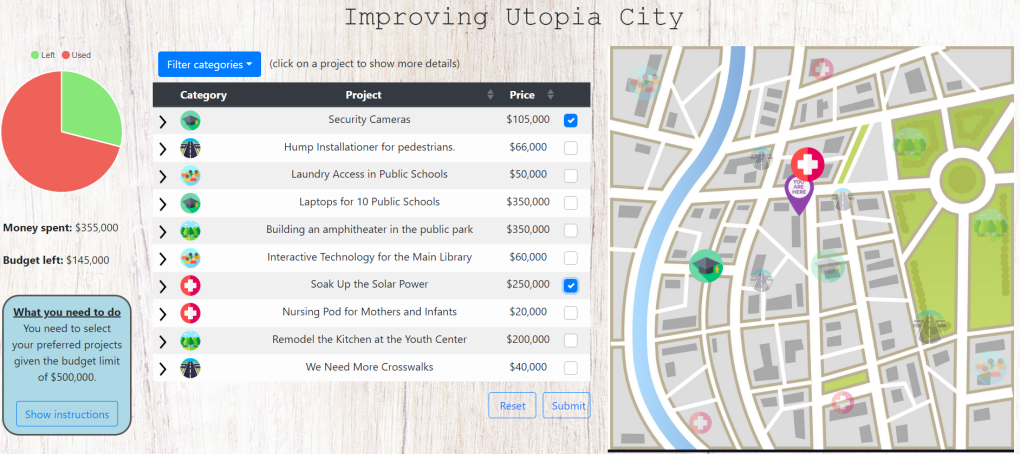
- 在亚马逊Mechanical Turk上招募1,800名参与者,开展受控实验室实验,涵盖四场不同的PB选举。
- 为每位参与者分配六种投票格式之一:k-approval、积分制、0-1背包、排序、性价比与效用报告。
- 通过任务耗时、自我报告的可用性以及偏好表达的感知准确性来衡量用户体验。
- 在所有格式中使用相同的候选项目集与选民偏好,以确保可比性,将聚合后的选票视为选民效用的代理。
- 应用两种聚合规则——贪婪(实践中标准做法)与等额分配法(ES)——以比较不同格式与参与水平下的结果。
- 通过抽样25%至50%的选民子集,评估结果稳定性,测量在每种聚合方法下资助项目集是否发生变化。
实验结果
研究问题
- RQ1在k-approval、积分制、0-1背包、排序、性价比与效用报告六种投票格式中,哪一种在使用便捷性、学习时间与偏好表达感知准确性方面提供最佳用户体验?
- RQ2在低参与度情况下,贪婪聚合与等额分配法(ES)这两种聚合规则如何影响PB结果的稳定性与公平性?
- RQ3在使用贪婪聚合与ES时,PB选举结果对投票格式选择的敏感程度如何?
- RQ4在不同输入格式与聚合方法之间,所选项目的社会福利水平如何比较?
- RQ5当仅部分选民参与时,资助项目集的稳定性如何?这种稳定性在贪婪与ES聚合之间是否存在差异?
主要发现
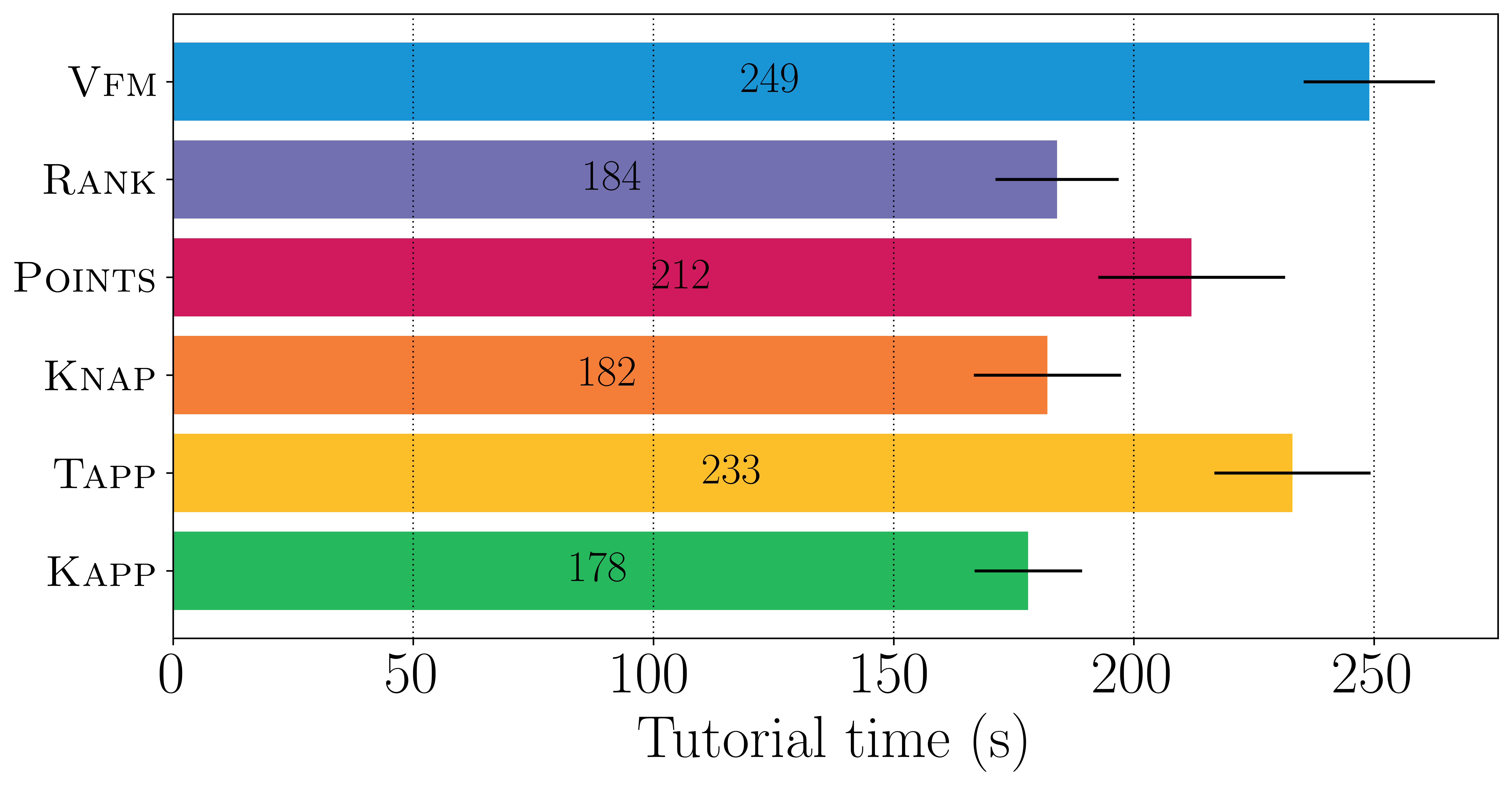
- k-approval投票带来了最佳用户体验:参与者学习与使用所花时间最少,且认为其最直观、最准确地表达了偏好。
- 尽管捕获的偏好信息较少,k-approval仍被认为比排序或效用报告等更丰富的格式更具准确性,表明简洁性可增强感知表达力。
- 贪婪聚合的结果对输入格式与参与水平均高度敏感——当参与度低于100%时,结果发生显著变化。
- 等额分配法(ES)在不同输入格式下产生的项目集几乎完全一致,展现出强大的格式不变性与鲁棒性。
- 即使仅25%至50%的选民参与,ES也能保持结果稳定,资助项目集变化极小;而贪婪聚合对低参与度极为敏感。
- 尽管贪婪与ES在社会福利方面表现相近,但ES在稳定性与对设计选择的不敏感性方面表现更优,使其在低参与度的真实PB场景中更具适用性。
更好的研究,从现在开始
从阅读论文到最终审阅,大幅缩短您的研究时间。
无需绑定信用卡
本解读由 AI 生成,并经人工编辑审核。