
[論文レビュー] How Knowledge Workers Think Generative AI Will (Not) Transform Their Industries
定性的研究。7つの知識産業で、知識労働者は生成AIを主に雑務の労力削減ツールと見なし、人間の確認を必要とすることを示し、デスキリング、非人間化、断絶、偽情報といった社会的要因を強調している。
Generative AI is expected to have transformative effects in multiple knowledge industries. To better understand how knowledge workers expect generative AI may affect their industries in the future, we conducted participatory research workshops for seven different industries, with a total of 54 participants across three US cities. We describe participants' expectations of generative AI's impact, including a dominant narrative that cut across the groups' discourse: participants largely envision generative AI as a tool to perform menial work, under human review. Participants do not generally anticipate the disruptive changes to knowledge industries currently projected in common media and academic narratives. Participants do however envision generative AI may amplify four social forces currently shaping their industries: deskilling, dehumanization, disconnection, and disinformation. We describe these forces, and then we provide additional detail regarding attitudes in specific knowledge industries. We conclude with a discussion of implications and research challenges for the HCI community.
研究の動機と目的
- 生成AIが将来、産業にどのような影響を与えると知識労働者が考えているかを探る。
- AI導入による仕事の変化について、共通の語りと産業固有の見解を特定する。
- AI導入を形作るデスキリング、非人間化、断絶、偽情報といった社会的力を検討する。
- 人間とコンピュータの相互作用(HCI)コミュニティにとっての含意と研究課題を論じる。
提案手法
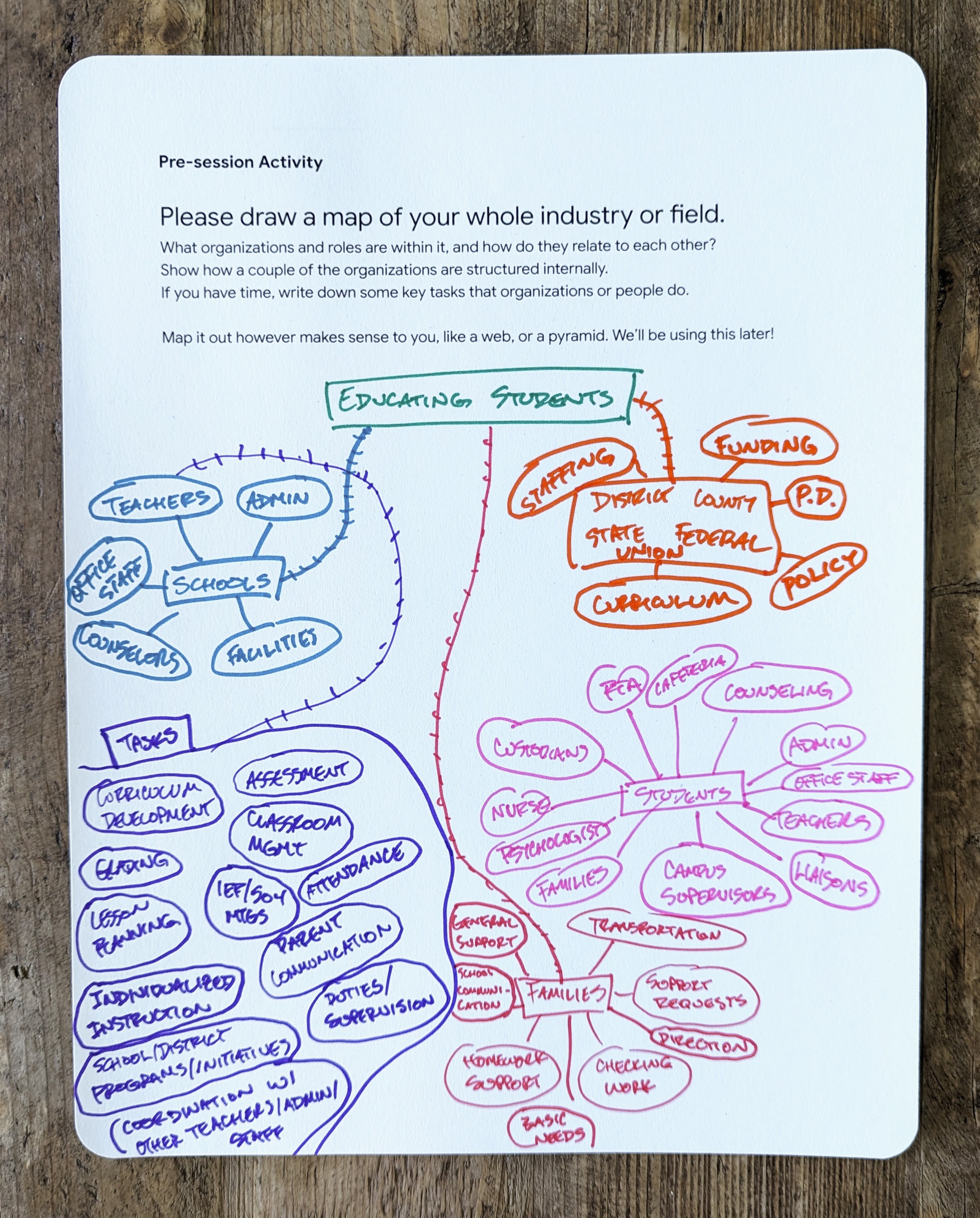
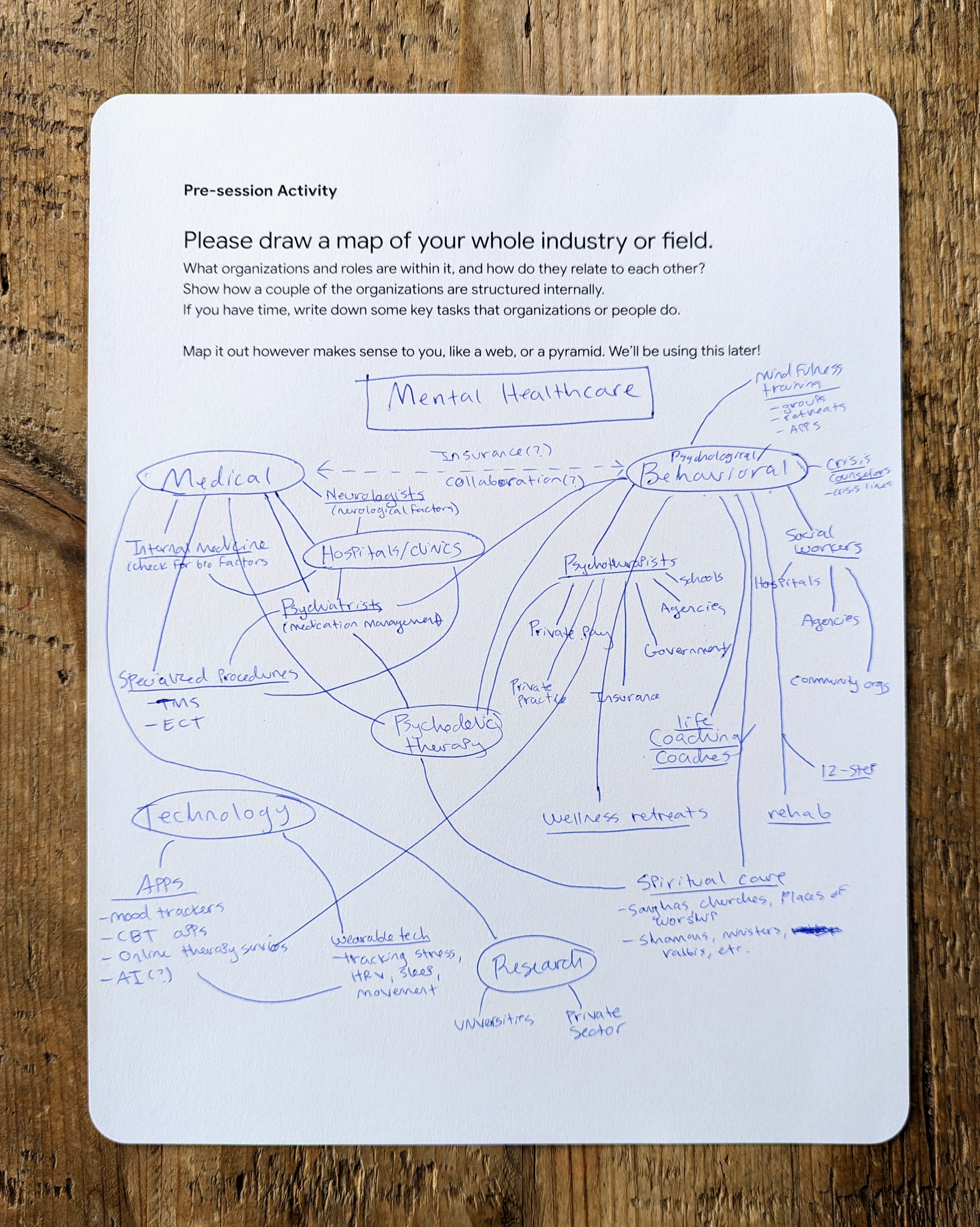
- 7つの知識産業(広告、ビジネスコミュニケーション、教育、ジャーナリズム、法、メンタルヘルス、ソフトウェア開発)で計54名の参加者を対象とした3時間の参加型研究ワークショップ。
- 産業マップ、チェンジカード、ポリシー・プロヴォケーションを用いて利用事例、懸念、統治アイデアを表出させる。
- 産業マップ、チェンジカード、ポリシーといった資料の転写セッションを反省的主題分析を用いて分析し、テーマを特定する。
実験結果
リサーチクエスチョン
- RQ1知識労働者は将来、生成AIが自分の産業やタスクにどのような影響を与えると考えているか。
- RQ2AI活用による仕事に関する支配的な語りと産業特有の見解は何か。
- RQ3知識労働におけるAI導入に伴う社会的力は何で、それは結果にどのように影響する可能性があるか。
- RQ4AI利用に適切と考えられる統治構造や監視機構は労働者にとって何か。
主な発見
- 参加者は生成AIを主に雑務・日常的なタスクの労力削減のツールとして大筋に描き、人間の確認が依然として不可欠であるとみなしている。
- 産業横断的な大規模な変革の期待は限定的で、センセーショナルな語りと対立する。
- 支配的な横断的語りが浮上する:AIは面倒なアウトプットを処理し、人間は監視と意思決定を提供することで、完全自動化を防ぐ。
- デスキリング、非人間化、断絶、偽情報の4つの社会的力が、知識労働のAI導入に伴って生じると予測される。
- 産業別のニュアンスとして、正確性、ブランド/著作権の制約、AI生成物の専門的検証の必要性などの懸念が浮上する。
- 産業内の既存の統治・審査慣行は、専門職の判断を置換するのではなく、AI監督を含む適応性を有すると見なされている。
より良い研究を、今すぐ始めましょう
論文設計から論文執筆まで、研究時間を劇的に削減しましょう。
クレジットカード登録不要
このレビューはAIが作成し、人間の編集者が確認しました。