
[論文レビュー] How opinions get more extreme in an age of information abundance
この論文は、ソーシャルメディアのアルゴリズムやエコー・チェンバーが存在しない状況でも、常に更新される膨大なオンラインコンテンツのストリーム(Web 1.0)への定期的アクセスが、意見の極端化を引き起こす可能性があることを示している。実証的にキャリブレーションされたバイアス処理モデルを用いて、情報の豊富さが確認バイアスを強化し、限定的なオフラインメディアへのアクセスと比較して顕著に極端な意見を生み出すことを示している。初期の偏見が強いほど、オンライン環境下での極端化が顕著になる。
We live in an age of information abundance but know little about how this influences our opinions or attitudes. A common expectation is that people consulting numerous pieces of information, well balancing the different sides of an issue, will adopt a moderate attitude about the issue. We claim that this expectation is deceitful and suggest that people tend to get extreme and dogmatic about an issue when they consult abundant unbiased information. The cause for this extremization is a hardening confirmation bias -- when their attitude gets more extreme, people get more likely to ignore information that differs from their views. Our claim is based on simulations of two fundamentally different computational models: a Bounded Confidence model and an empirically calibrated Persuasive Argument model. For both models, the attitude tends to be extreme when the computational agent consults abundant unbiased information. We analyze the extremization pathways displayed in the models and discuss how our results may affect views on polarization, and on the role of online media.
研究の動機と目的
- 膨大で常に更新されるオンラインコンテンツ(Web 1.0)の単なる可用性が、ソーシャルメディアのダイナミクスとは独立して意見の極端化を引き起こすかどうかを調査すること。
- 高い情報可用性と低い情報可用性の状況下で、確認バイアスが意見の進化に果たす役割を検討すること。
- 計算的に根拠付けられた意見ダイナミクスモデルを用いて、限定的メディア(オフライン)と広範なコンテンツアクセス(オンライン)の情報環境を比較すること。
- 情報過多が信念処理に与える影響を評価し、客観的評価ではなく既存の見解との整合性を重視する傾向を明らかにすること。
- 初期の偏見が、豊富なコンテンツのバイアス処理によってオンライン環境下でどの程度強化されるかを定量化すること。
提案手法
- 本研究では、説得的議論理論(PAT)に基づく、実証的にキャリブレーションされた説得的議論モデル(PAM)を採用し、意見は個々の議論に関する信念の集積として形成される。
- エージェントは確認バイアスを示す:新しい議論を信じる確率は、現在の信念との整合性に依存し、パラメータβを用いたシグモイド関数でモデル化される。
- オフライン設定では、固定された限定的な議論のセット(n_a)にエージェントが露出し、新しい肯定的/否定的議論を受ける確率はハイパージオメトリック分布から導出される。
- オンライン設定では、大規模で継続的に更新されるコンテンツプール(時間ステップあたり2qのアイテム)からエージェントが選択し、現在の信念バランス(b)に依存したコンテンツ選択確率が、パラメータγを用いたシグモイド関数でモデル化される。
- 信念バランス b = b_p - b_n の時間的変化を追跡する確率分布 μ_t(b) を使用し、状態遷移は多項分布およびベルヌーイ型の更新ルールで計算される。
- 本研究の主な革新点は、情報の豊富さが信念更新のダイナミクスに与える影響、特に選択バイアス(コンテンツ選択)と処理バイアス(信念形成)の相互作用をモデル化することにある。
実験結果
リサーチクエスチョン
- RQ1単に常に更新されるオンラインコンテンツ(Web 1.0)へのアクセスが増えるだけで、アルゴリズムによるフィルタリングや社会的強化が存在しない状況でも、意見がより極端になるのか?
- RQ2確認バイアスが情報の豊富さとどのように作用し、意見形成における初期の偏見を強化するのか?
- RQ3制限されたオフライン環境と広範なオンライン環境というコンテンツアクセスの構造的差が、意見の極端化の経路にどの程度影響を及けるのか?
- RQ4エコー・チェンバーなどのWeb 2.0のメカニズムが存在しない状況でも、豊富な情報のバイアス処理が政治的極端化の観察結果を説明できるか?
- RQ5情報過多が信念の変化確率や意見の極端化に及ぼす定量的影響は何か?
主な発見
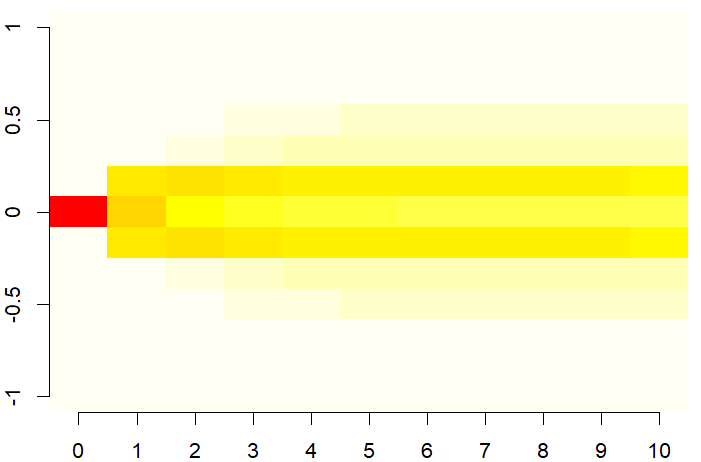
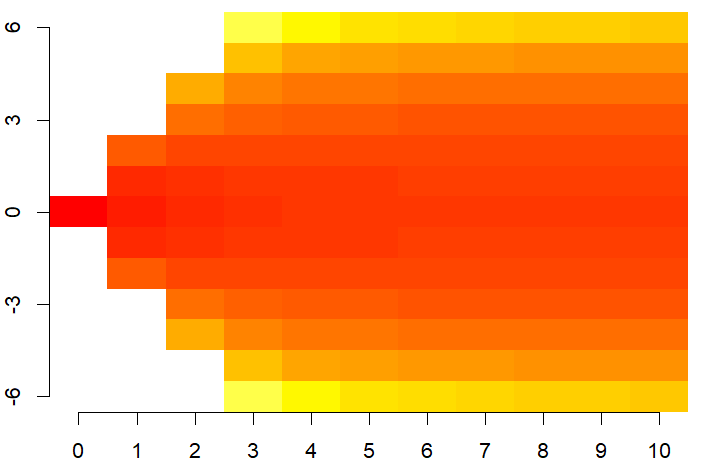
- オンライン設定では、肯定的・否定的議論がバランスしている場合でも、オフライン設定と比較して顕著に極端な意見が生じる。
- 初期の偏見は、豊富なコンテンツストリームにおける確認バイアスの累積的効果により、オンライン環境下で強化される。
- モデルは、ソーシャルメディアのアルゴリズムが存在しない状況でも、情報の豊富さそのものが、流入する議論のバイアス処理を通じて意見の極端化を引き起こす可能性を示している。
- 新しい議論を信じる確率は、現在の信念との整合性が高いほど上昇し、エージェントが多数の選択肢にさらされる状況でその効果が顕著になる。
- オンライン条件下では、現在の立場と一致するコンテンツの頻度と多様性が高いため、エージェントは信念の強化を経験する確率が高くなる。
- シミュレーション結果は、オンラインアクセス下では意見の極端さの分布が絶対値が高くなる方向にシフトしていることを示しており、極端化へのシステム的傾向が顕在している。
この論文を読む
Nubintのビューアで原文を開き、読みながら気になる箇所をすぐに質問できます。
Nubintでこの論文を読むこのレビューはAIが論文の原文をもとに作成しました。引用する前に原文をご確認ください。