
[論文レビュー] Toward Blockchain-based Fashion Wearables in the Metaverse: the Case of Decentraland
本研究は、Decentralandにおけるブロックチェーンベースのファッションウェアラブルの最初の定量的分析を提示し、大多数がマーケットプレイスでの販売ではなく、アーリードロップやプロmotionを通じて配布されていることを明らかにした。主な発見として、レアリティが価格決定の主な要因であることが示され、商業的販売よりもプロモーション用途が優勢であることが判明し、直接的な収益化を超えた経済モデルの再考が求められることが示された。
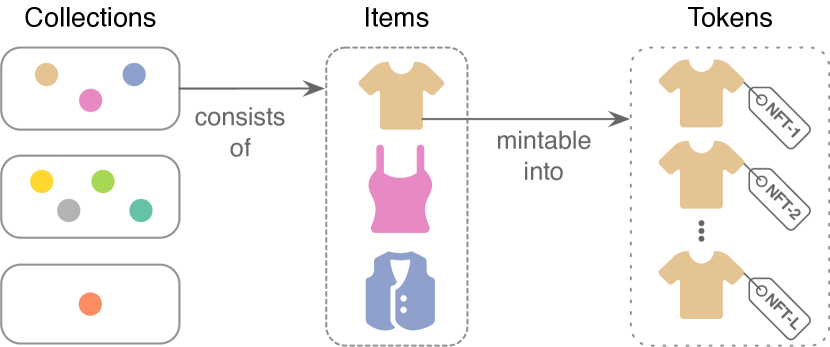
Among the earliest projects to combine the Metaverse and non-fungible tokens (NFTs) we find Decentraland, a blockchain-based virtual world that touts itself as the first to be owned by its users. In particular, the platform's virtual wearables (which allow avatar appearance customization) have attracted much attention from users, content creators, and the fashion industry. In this work, we present the first study to quantitatively characterize Decentraland's wearables, their publication, minting, and sales on the platform's marketplace. Our results indicate that wearables are mostly given away to promote and increase engagement on other cryptoasset or Metaverse projects, and only a small fraction is sold on the platform's marketplace, where the price is mainly driven by the preset wearable's rarity. Hence, platforms that offer virtual wearable NFTs should pay particular attention to the economics around this kind of assets beyond their mere sale.
研究の動機と目的
- Decentralandの仮想ファッションウェアラブルの発行、ミント、マーケットプレイス販売を定量的に特徴づけること。
- メタバースにおけるブロックチェーンベースのデジタルファッションアセットの経済的ダイナミクスを理解すること。
- NFTウェアラブルのライフサイクルにおいて、販売とプロモーション的配布のどちらが優勢であるかを調査すること。
- レアリティ、コレクションサイズ、3Dモデルの複雑さがウェアラブル価値に与える影響を評価すること。
提案手法
- Decentralandのv2 NFTシステムから得た、ウェアラブルのミント、所有権、マーケットプレイス取引に関するオンチェーンデータを収集した。
- Decentralandの公式マーケットプレイスおよびOpenSeaなどの外部プラットフォームからの一次および二次取引データを分析した。
- レアリティ、コレクションの基数、テクスチャ数が価格に与える影響を評価するため、線形回帰モデルを構築した。
- 高ミント数および高複雑度のアイテムの手動による検証を通じて、配布およびプロモーション目的の妥当性を検証した。
- ミントおよびガバナンスメカニズムを文脈づけるために、DecentralandのDAOキュレーションプロセスおよびトークンエコノミーからのデータを用いた。
- 広く一般的なNFTおよびバーチャルワールドの文献と照らし合わせ、Decentralandのウェアラブル経済をメタバースエコシステム内に位置づけた。
実験結果
リサーチクエスチョン
- RQ1Decentralandのウェアラブルの配布パターンは何か—主に販売されるのか、それとも贈呈されるのか?
- RQ2レアリティ、コレクションサイズ、3Dモデルの複雑さといった要因が、ウェアラブルの価格にどのように影響するか?
- RQ3ウェアラブルが直接的な収益化ではなく、プロモーション目的で使用される割合はどの程度か?
- RQ4Decentralandにおけるウェアラブルの経済モデルは、広く一般的なNFT市場ダイナミクスとどのように比較できるか?
- RQ5所有権のオンチェーンデータを、実際の世界におけるファッション使用の代理指標として用いる際の限界は何か?
主な発見
- ウェアラブルのミントのうち、わずか3.4%がDecentralandのマーケットプレイスでの一次販売で行われており、販売が主な配布メカニズムではないことが示された。
- ウェアラブルの大多数(96.6%)が、主に他の暗号資産やメタバースプロジェクトのプロモーションを目的として、アーリードロップや賞与を通じて配布された。
- 最も多くミントされたウェアラブルである「CCC - Hat - Gray」は、99,961回配布され、主にプロモーションキャンペーンの一環として実施された。
- 「Sophia 42 - #2」ウェアラブルは8,657個の三角形と7つのテクスチャを有し、ソフィア・ザ・ロボットのプロモーションを目的として作成されたことを示し、複雑なデザインのプロモーション的使用を裏付けた。
- 「Royal Family Crown」は、ゼロ価格の一次販売が7,781件あり、ネットワーク手数料を除いても、プロモーション価値が金銭的利得を上回っていることを確認した。
- レアリティが価格決定において最も顕著な要因であり、次いでコレクションサイズとテクスチャ数が影響を及ぼした。線形モデルにおいても、レアリティが最も強い予測要因であった。
より良い研究を、今すぐ始めましょう
論文の読解から最終レビューまで、研究時間を劇的に削減しましょう。
クレジットカード登録不要
このレビューはAIが作成し、人間の編集者が確認しました。