
[논문 리뷰] A Philosophical Introduction to Language Models -- Part I: Continuity With Classic Debates
이 논문은 대형 언어 모델(LLMs)에 대한 철학적 입문서 겸 설문으로, 이들이 전통적 가정에 도전한다는 점을 주장하며 경험적 경로를 개략하고 내부 작동 조사에 관한 Part II를 예고한다.
Large language models like GPT-4 have achieved remarkable proficiency in a broad spectrum of language-based tasks, some of which are traditionally associated with hallmarks of human intelligence. This has prompted ongoing disagreements about the extent to which we can meaningfully ascribe any kind of linguistic or cognitive competence to language models. Such questions have deep philosophical roots, echoing longstanding debates about the status of artificial neural networks as cognitive models. This article -- the first part of two companion papers -- serves both as a primer on language models for philosophers, and as an opinionated survey of their significance in relation to classic debates in the philosophy cognitive science, artificial intelligence, and linguistics. We cover topics such as compositionality, language acquisition, semantic competence, grounding, world models, and the transmission of cultural knowledge. We argue that the success of language models challenges several long-held assumptions about artificial neural networks. However, we also highlight the need for further empirical investigation to better understand their internal mechanisms. This sets the stage for the companion paper (Part II), which turns to novel empirical methods for probing the inner workings of language models, and new philosophical questions prompted by their latest developments.
연구 동기 및 목표
- 마음 철학, 언어 철학, 과학의 오래된 논쟁 속에서 LLMs의 위치를 제시한다.
- 표면적인 행동을 넘어 의미 있는 인지 모델이 될 수 있는지 LLMs를 평가한다.
- 내부 메커니즘과 지식 습득에 관련된 경험적 및 이론적 증거를 조사한다.
- LLMs의 내부 작동을 탐구하기 위한 향후 연구 방향과 경험적 방법론의 틀을 제시한다.
제안 방법
- 철학과 LLM 기술을 잇는 주관적 서베이를 제공한다.
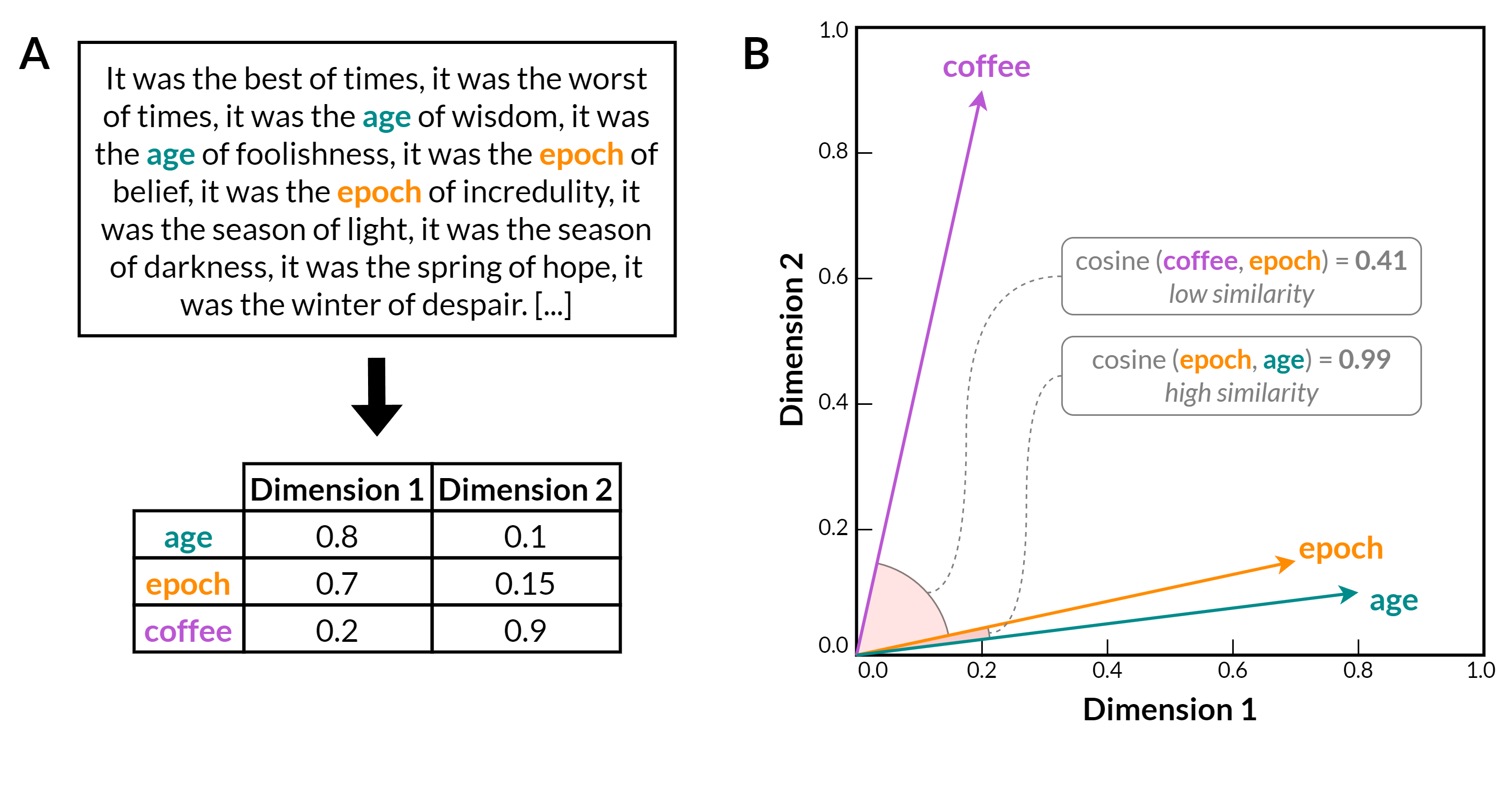
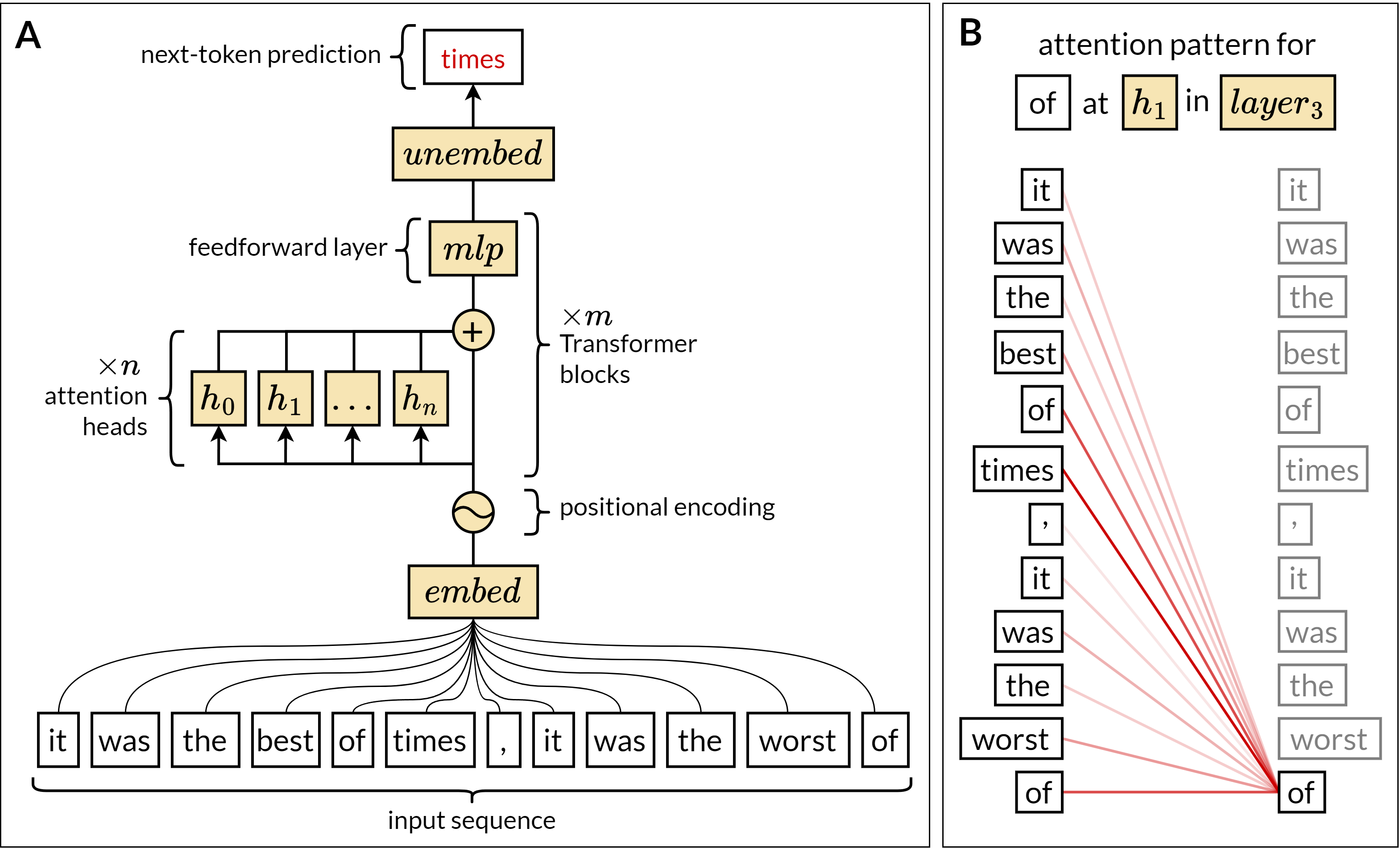
- 역사적 기초와 핵심 아키텍처(Transformer, self-attention)를 강조한다.
- 행동 벤치마크와 probing을 포함한 경험적 증거와 방법론적 고려사항을 논의한다.
- 증거 없이 선험적 결론에 주의하도록 Redescription Fallacy를 소개한다.
- RLHF와 in-context learning이 LLMs의 규범적 사용에 어떤 영향을 미치는지 개요를 제시한다.
- 내부 메커니즘을 조사하기 위한 새로운 경험적 방법을 상세히 다루는 Part II를 위한 무대를 마련한다.
실험 결과
연구 질문
- RQ1Do LLMs constitute faithful models of human linguistic or cognitive processes beyond surface-level performance?
- RQ2What empirical evidence from architecture, data, and training can arbitrate debates about LLMs as cognitive models?
- RQ3How do techniques like RLHF and in-context learning bear on the normative assessment of LLMs (truthfulness, usefulness, safety)?
- RQ4What methodological approaches can illuminate the internal representations and computations of LLMs beyond behavioral benchmarks?
주요 결과
- LLMs는 추론하지 않고 암기만 하는 단순한 블록헤드로 간주되던 인공 신경망에 대한 오래된 가정에 도전한다.
- LLMs를 인지 모델로 보는 논쟁을 중재하려면 건축적 또는 데이터 서술만으로는 부족하며, 경험적이고 방법론적인 증거가 필수적이다.
- 특히 큰 모델에서 RLHF와 함께 인-context 학습 및 소수 샷 학습은 강건한 제로샷 및 소수 샷 성능을 가능하게 한다.
- 표면적 벤치마크를 넘어 내부 메커니즘을 밝히기 위한 프로빙(probing) 및 개입 연구가 필요하다.
- 본 논문은 마음의 철학 논쟁의 경험적 근거를 LLM의 행동과 내부 표현을 사용해 제시해야 한다고 주장하며, Part II에서 그러한 방법을 자세히 다룬다.
이 논문 읽기
누빈트 뷰어에서 원문을 열고, 읽으면서 궁금한 곳을 바로 물어보세요.
누빈트에서 이 논문 읽기이 리뷰는 AI가 논문 원문을 바탕으로 만들었습니다. 인용하기 전에 원문을 확인해 주세요.