
[논문 리뷰] A Philosophical Introduction to Language Models - Part II: The Way Forward
이 논문은 LLM을 행동 이외의 방식으로 이해하는 방법에 초점을 맞춰 기계적 해석가능성, 개입 방법, 다중 모달성, 의식 논쟁, 재현성의 함의가 인지 모델링에 미치는 영향을 다룬다.
In this paper, the second of two companion pieces, we explore novel philosophical questions raised by recent progress in large language models (LLMs) that go beyond the classical debates covered in the first part. We focus particularly on issues related to interpretability, examining evidence from causal intervention methods about the nature of LLMs' internal representations and computations. We also discuss the implications of multimodal and modular extensions of LLMs, recent debates about whether such systems may meet minimal criteria for consciousness, and concerns about secrecy and reproducibility in LLM research. Finally, we discuss whether LLM-like systems may be relevant to modeling aspects of human cognition, if their architectural characteristics and learning scenario are adequately constrained.
연구 동기 및 목표
- LLM의 내부 메커니즘이 행위적 성능을 넘어 이해될 수 있는지 평가한다.
- LLM에서 인과 구조를 드러내기 위한 개입주의적 및 기계적 방법을 탐구한다.
- 다중 모달, 모듈식 확장 및 주체성, 의식, 비밀성, 재현성에 대한 의문을 논의한다.
- 제한된 학습 상황에서 인간 및 동물 인지 모델링에 LLM 유사 아키텍처가 주는 적합성을 고려한다.
제안 방법
- LLM 내부를 해석하기 위한 probing, attribution, 및 인과 개입 방법들을 검토하고 종합한다.
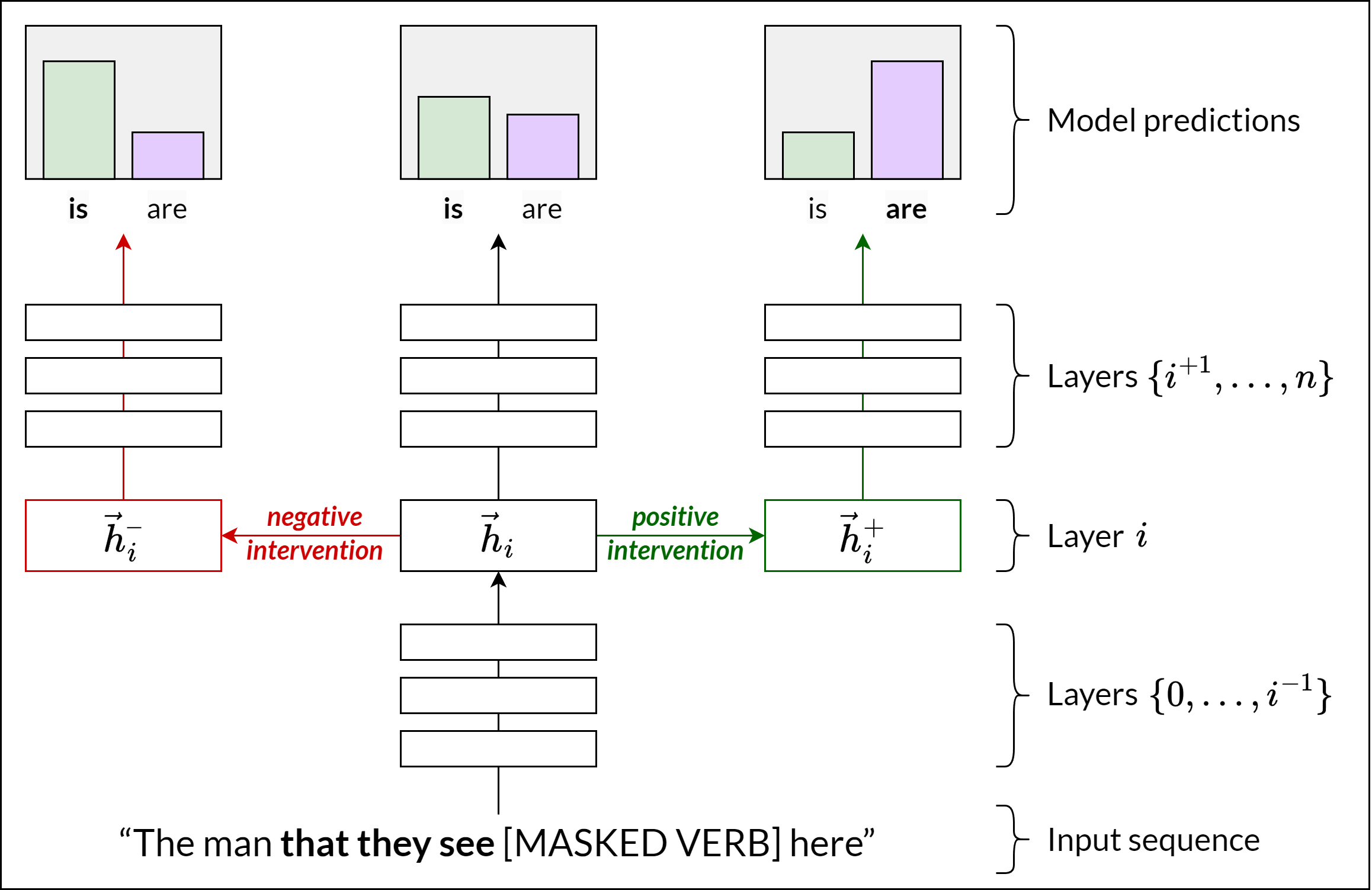
- 내부 구성 요소의 인과적 기여를 식별하기 위한 삭제(ablation) 및 표적 개입을 설명한다.
- 모델 동작에서 타깃 정보의 인과 관련성을 테스트하는 방법으로서 반복적 널스페이스 프로젝션(iterative nullspace projection)을 설명한다.
- 기계적 해석가능성을 신경망을 해석 가능한 특징과 회로로 역설계하는 것으로 정의한다.
- 알고리즘 수준의 설명과 LLM 이해에서 계산 그래프의 역할을 논의한다.]
실험 결과
연구 질문
- RQ1출력 행동을 넘어 LLM 내부 메커니즘을 이해하는 데 어떤 범위와 한계가 존재하는가?
- RQ2개입이 언어 모델 계산에서 내부 표현의 인과적 역할을 어떻게 드러낼 수 있는가?
- RQ3다중모달성, 주체성, 잠재적 의식이 LLM에 주는 함의는 무엇인가?
- RQ4LLM 연구에서 비밀성과 재현성에 대한 우려는 무엇인가?
- RQ5제한된 학습 환경에서 인간이나 동물 인지의 특정 측면에 유용한 모델을 제공할 수 있는가?
주요 결과
- 벤치마크의 한계(포화, 게임화, 오염, 구성 타당도)가 LLM 능력의 신뢰할 수 있는 평가를 어렵게 한다.
- 탐색(probing)만으로는 인과적 역할을 확립할 수 없으며, 표현이 행동에 영향을 준다는 것을 보여주기 위해 개입이 필요하다.
- 절멈과 반복적 널스페이스 프로젝션과 같은 개입 방법은 내부 정보의 인과적 관여를 보여줄 수 있다.
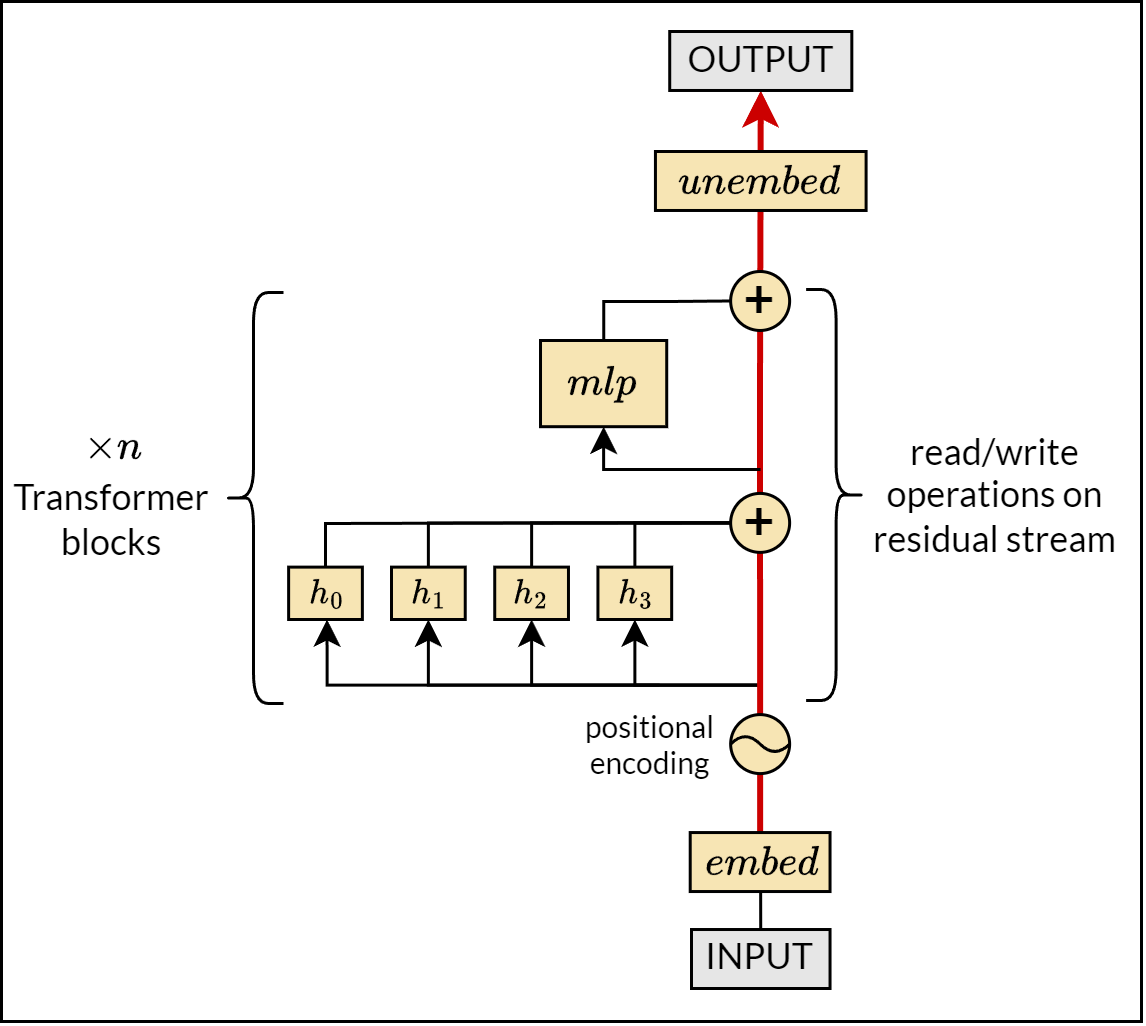
- 기계적 해석가능성은 네트워크를 특징과 회로의 계층으로 매핑하여 단계별 계산 설명을 가능하게 만드는 것을 목표로 한다.
- 분산 표현과 중첩은 속성 부여와 절멈을 복잡하게 하며, 보다 정교한 인과 개입을 촉진한다.
- 알고리즘적 및 회로 수준의 설명은 입력이 어떻게 출력으로 변환되는지 설명하는 길을 제시한다.
이 논문 읽기
누빈트 뷰어에서 원문을 열고, 읽으면서 궁금한 곳을 바로 물어보세요.
누빈트에서 이 논문 읽기이 리뷰는 AI가 논문 원문을 바탕으로 만들었습니다. 인용하기 전에 원문을 확인해 주세요.