
[논문 리뷰] A Systematic Literature Review of Explainable AI for Software Engineering
이 논문은 소프트웨어 공학에서 사용되는 설명가능 인공지능(XAI) 방법을 매핑하기 위한 체계적 문헌고찰을 수행하여 어떤 SE 영역과 작업이 연구되었는지, 어떤 XAI 접근법이 사용되었는지, SE에서 XAI가 얼마나 유용했는지, 향후 연구 로드맵을 제시합니다.
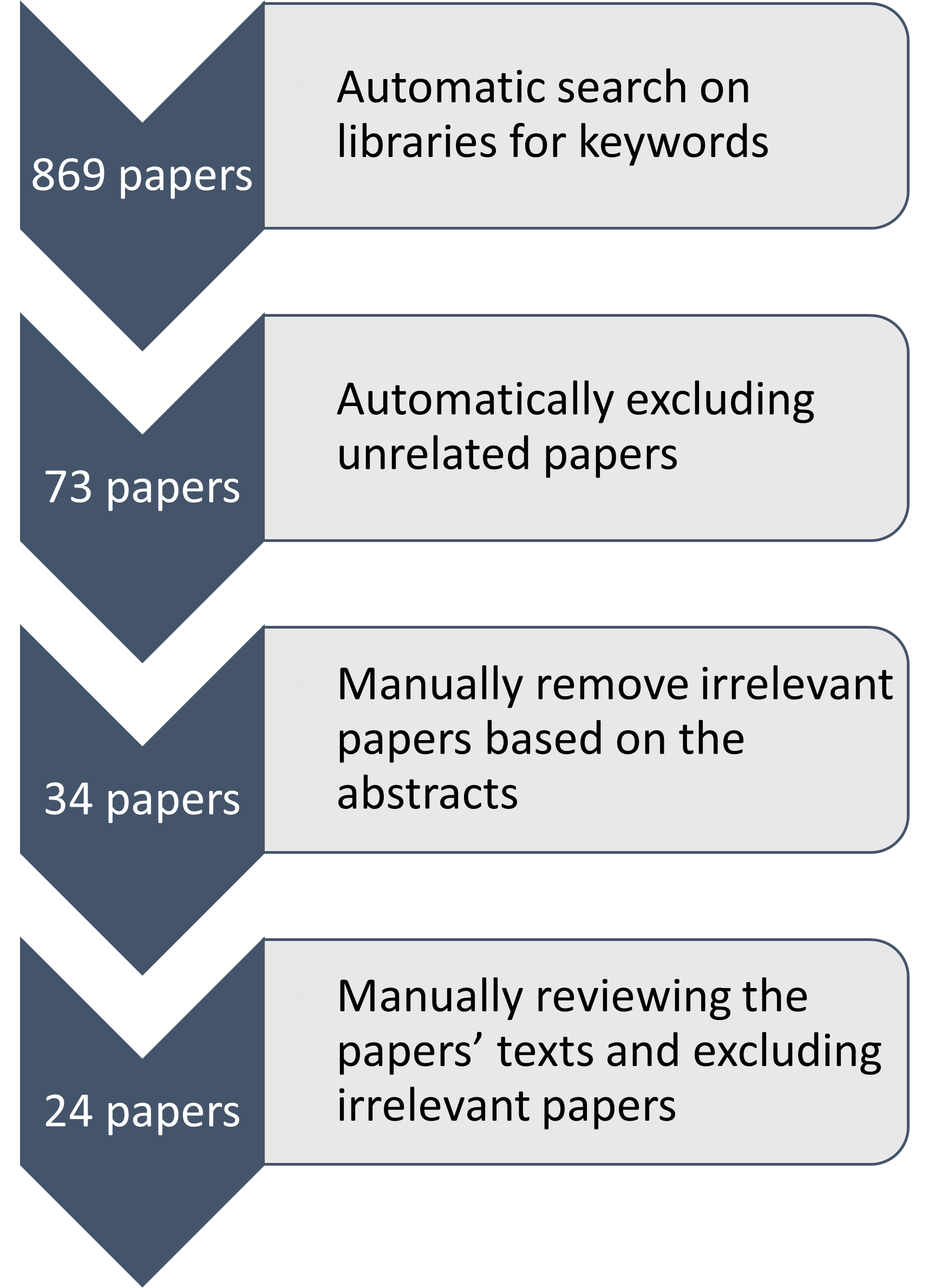
Context: In recent years, leveraging machine learning (ML) techniques has become one of the main solutions to tackle many software engineering (SE) tasks, in research studies (ML4SE). This has been achieved by utilizing state-of-the-art models that tend to be more complex and black-box, which is led to less explainable solutions that reduce trust and uptake of ML4SE solutions by professionals in the industry. Objective: One potential remedy is to offer explainable AI (XAI) methods to provide the missing explainability. In this paper, we aim to explore to what extent XAI has been studied in the SE community (XAI4SE) and provide a comprehensive view of the current state-of-the-art as well as challenge and roadmap for future work. Method: We conduct a systematic literature review on 24 (out of 869 primary studies that were selected by keyword search) most relevant published studies in XAI4SE. We have three research questions that were answered by meta-analysis of the collected data per paper. Results: Our study reveals that among the identified studies, software maintenance (\%68) and particularly defect prediction has the highest share on the SE stages and tasks being studied. Additionally, we found that XAI methods were mainly applied to classic ML models rather than more complex models. We also noticed a clear lack of standard evaluation metrics for XAI methods in the literature which has caused confusion among researchers and a lack of benchmarks for comparisons. Conclusions: XAI has been identified as a helpful tool by most studies, which we cover in the systematic review. However, XAI4SE is a relatively new domain with a lot of untouched potentials, including the SE tasks to help with, the ML4SE methods to explain, and the types of explanations to offer. This study encourages the researchers to work on the identified challenges and roadmap reported in the paper.
연구 동기 및 목표
- 어떤 소프트웨어 공학 영역과 작업이 XAI 방법으로 조사되었는지 평가한다.
- SE 연구에서 적용된 XAI 기법과 설명을 식별한다.
- SE에서 XAI의 유용성을 평가하고 한계와 향후 로드맵을 요약한다.
제안 방법
- Kitchenham 지침에 따라 체계적 문헌고찰을 수행한다.
- 해석 가능/설명 가능 용어, SE 작업, ML 용어를 포괄하는 구조화된 키워드로 다섯 개의 주요 데이터베이스를 검색한다.
- 포함 기준에 부합하는 869편의 초기 논문을 24개의 주요 연구로 선별한다.
- 연구 질문에 답하기 위해 논문당 17개의 속성을 추출한다.
- 논문별로 기술통계와 메타분석으로 결과를 합성한다.
실험 결과
연구 질문
- RQ1RQ1: Explainable AI 접근법이 사용된 현재까지의 주요 소프트웨어 공학 영역과 작업은 무엇인가?
- RQ2RQ2: SE 작업에 채택된 Explainable AI 접근법은 무엇인가?
- RQ3RQ3: SE에서 XAI의 유용성은 어느 정도였으며, 설명은 어떻게 평가되고 있는가?
주요 결과
- 소프트웨어 유지보수는 가장 많이 연구된 SDLC 단계이며(작업의 68%), 버그 예측이 선도하는 작업으로 나타난다(결함 관련 연구의 44%).
- SE의 대부분 XAI 적용은 자체 설명 또는 모델 내부 설명에 의존하며, 시각화나 자연어 정당화와 같은 고차원적 설명의 활용은 제한적이다.
- LIME과 ANOVA는 검토된 연구들에서 가장 자주 사용되는 XAI 방법 중 하나이다.
- SE에서 XAI에 대한 표준 평가 지표의 부족과 인간 중심 평가의 제한이 두드러져 벤치마크 및 엄격한 사용자 연구의 필요성을 시사한다.
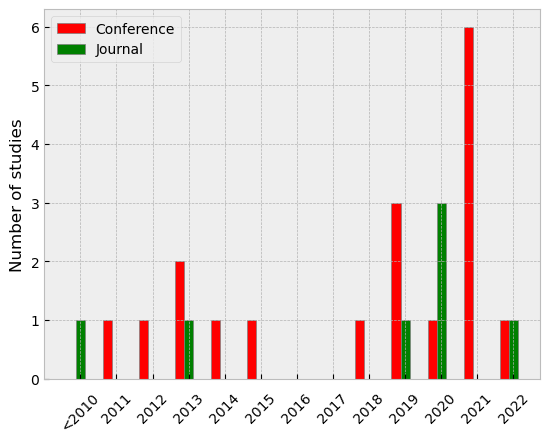
- 이 리뷰는 2019년 이후 성장하는 초기 XAI4SE 분야를 확인하고 SE 작업, ML4SE 방법 및 설명 유형 간의 격차를 강조한다.
이 논문 읽기
누빈트 뷰어에서 원문을 열고, 읽으면서 궁금한 곳을 바로 물어보세요.
누빈트에서 이 논문 읽기이 리뷰는 AI가 논문 원문을 바탕으로 만들었습니다. 인용하기 전에 원문을 확인해 주세요.