
[논문 리뷰] Emotion Analysis in NLP: Trends, Gaps and Roadmap for Future Directions
NLP의 감정 분석(EA)에 관한 154편의 NLP 논문(2014–2022)에 대한 포괄적 검토로, 정의, 프레임워크, 데이터셋, 응용, 격차를 식별하고 향후 연구 로드맵을 제시합니다.
Emotions are a central aspect of communication. Consequently, emotion analysis (EA) is a rapidly growing field in natural language processing (NLP). However, there is no consensus on scope, direction, or methods. In this paper, we conduct a thorough review of 154 relevant NLP publications from the last decade. Based on this review, we address four different questions: (1) How are EA tasks defined in NLP? (2) What are the most prominent emotion frameworks and which emotions are modeled? (3) Is the subjectivity of emotions considered in terms of demographics and cultural factors? and (4) What are the primary NLP applications for EA? We take stock of trends in EA and tasks, emotion frameworks used, existing datasets, methods, and applications. We then discuss four lacunae: (1) the absence of demographic and cultural aspects does not account for the variation in how emotions are perceived, but instead assumes they are universally experienced in the same manner; (2) the poor fit of emotion categories from the two main emotion theories to the task; (3) the lack of standardized EA terminology hinders gap identification, comparison, and future goals; and (4) the absence of interdisciplinary research isolates EA from insights in other fields. Our work will enable more focused research into EA and a more holistic approach to modeling emotions in NLP.
연구 동기 및 목표
- EA 작업이 NLP에서 어떻게 정의되고 라벨링되는지 평가합니다.
- 어떤 감정 프레임워크가 지배적이며 어떤 감정이 모델링되는지 확인합니다.
- 데이터 또는 라벨에서 인구통계학적 및 문화적 주관성 고려 여부를 평가합니다.
- EA에 사용되는 주요 NLP 응용 및 데이터셋을 카탈로그합니다.
- 격차를 해결하고 NLP에서 EA 모델링을 개선하기 위한 로드맵을 제안합니다.]
- method:[
제안 방법
- ACL Anthology에서 EA 관련 키워드를 사용해 154편의 NLP 논문을 조사합니다.
- 감정, 모델, 언어, 데이터 소스, 모달리티, 명명법, 응용에 따라 논문을 분류합니다.
- Ekman 및 Plutchik 모델의 지배력과 개별 감정 범주의 보편성을 분석합니다.
- 데이터 다양성, 주석 체계, 용어의 일관성, 다학제성 여부를 평가합니다.
- 구체적 권고안을 포함한 로드맵으로 findings를 종합합니다.]
- research_questions:[
- research_questions
실험 결과
연구 질문
- RQ1NLP에서 EA 작업은 어떻게 정의되고 어떤 용어가 사용되는가?
- RQ2NLP에서 어떤 감정 프레임워크가 지배적이며 어떤 감정이 모델링되는가?
- RQ3EA 연구가 데이터나 라벨에서 인구통계학적 또는 문화적 주관성을 고려하는가?
- RQ4EA에 사용되는 주요 NLP 응용 및 데이터셋은 무엇인가?
- RQ5미해결 과제는 무엇이며 향후 EA 연구에 어떤 방향이 제시되는가?
주요 결과
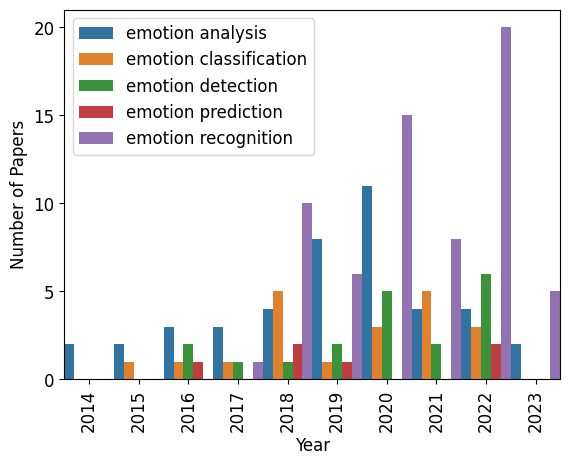
- EA 작업 용어는 이질적이며, 분류/인식이 가장 일반적이고 용어가 서로 바꿔 쓰이는 경우가 많다.
- Ekman의 개별 감정이 가장 많이 사용되는 프레임워크이며 Plutchik의 모델이 그다음으로 흔하고, 차원적 및 구성요소적 모델은 덜 대표적이다.
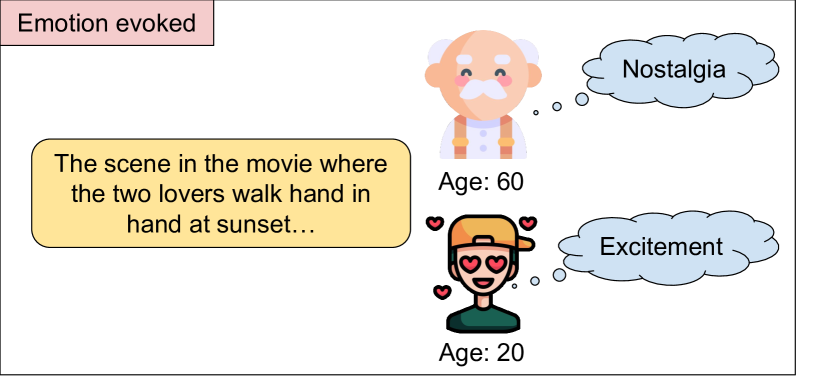
- 데이터나 모델링에 인구통계학적 또는 문화적 요인을 통합하는 연구가 많지 않아 주관성의 격차를 드러낸다.
- 감정 인식이 대화에서 가장 두드러진 EA 응용이며, 그다음으로 서사 텍스트 분석과 건강관리 관련 활용이 있다.
- 대부분의 데이터셋은 영어로 영화/TV에서 수집되며 Ekman형 범주로 주석되며, 다국어 및 더 정교한 데이터셋이 등장하고 있지만 아직 제한적이다.
- 표준화된 용어의 부재, 다학제성의 제한, 실세계 응용과의 과제 정렬 부족이 주요 단점으로 확인된다.
이 논문 읽기
누빈트 뷰어에서 원문을 열고, 읽으면서 궁금한 곳을 바로 물어보세요.
누빈트에서 이 논문 읽기이 리뷰는 AI가 논문 원문을 바탕으로 만들었습니다. 인용하기 전에 원문을 확인해 주세요.