
[논문 리뷰] Identifying Fabricated Networks within Authorship-for-Sale Enterprises
이 논문은 위조된 공동저자 네트워크의 사회적 구조를 모델링하여 저자권 매매 기업을 네트워크 기반으로 탐지하는 방법을 제안한다. 이러한 위조된 공동저자 네트워크는 저자 재출현 빈도가 낮고 비자연스러운 협업 패턴을 보이며, 알려진 논문밀 활동과 관련된 통계적으로 유의미한 네트워크 지문을 식별한다. 이 방법은 텍스트 분석 도구인 Problematic Paper Screener가 경고한 논문의 37%를 탐지한다.
Fabricated papers do not just need text, images, and data, they also require a fabricated or partially fabricated network of authors. Most `authors' on a fabricated paper have not been associated with the research, but rather are added through a transaction. This lack of deeper connection means that there is a low likelihood that co-authors on fabricated papers will ever appear together on the same paper more than once. This paper constructs a model that encodes some of the key characteristics of this activity in an `authorship-for-sale' network with the aim to create a robust method to detect this type of activity. A characteristic network fingerprint arises from this model that provides a robust statistical approach to the detection of paper-mill networks. The model suggested in this paper detects networks that have a statistically significant overlap with other approaches that principally rely on textual analysis for the detection of fraudulent papers. Researchers connected to networks identified using the methodology outlined in this paper are shown to be connected with 37% of papers identified through the tortured-phrase and clay-feet methods deployed in the Problematic Paper Screener website. Finally, methods to limit the expansion and propagation of these networks is discussed both in technological and social terms.
연구 동기 및 목표
- 논문밀이 내용 뿐 아니라 신뢰성을 부여하기 위해 위조된 공동저자 네트워크까지도 제작하는 증가하는 위협에 대응하기 위해.
- 진정한 연구 협업이 아닌 거래성 저자권 협업을 시사하는 저자 협업 네트워크의 구조적 이질성을 식별하기 위해.
- 텍스트나 이미지 기반 분석과는 독립적으로 논문밀 네트워크를 탐지하기 위한 통계적으로 강건한 방법을 개발하기 위해.
- 네트워크 수준의 탐지 기반으로 출판사와 기관이 위협받는 저널과 위험에 처한 연구자를 식별하는 데 기여하기 위해.
- 위조된 저자 프로필 생성을 제한하고 장기적인 명성 손상 방지를 위해 제도적 및 기술적 변화를 촉구하기 위해.
제안 방법
- 다수의 논문에서 공동저자 쌍의 재출현 빈도가 낮은 것을 기반으로 저자권 매매 네트워크의 모델을 구축한다.
- 네트워크 분석을 통해 자연스러운 공동저자 패턴에서 벗어난 통계적으로 유의미한 이질성을 탐지한다. 예를 들어 희박하고 반복되지 않는 협업 패턴을 포함한다.
- 위조된 저자 네트워크에 고유한 네트워크 수준의 특성을 식별하기 위해 지문 기반 접근법을 적용한다.
- 기존에 알려진 논문밀 네트워크와 Problematic Paper Screener와 같은 확립된 탐지 도구를 기반으로 모델을 검증한다.
- GDPR 제약을 준수하면서도 교차 기관 분석을 가능하게 하기 위해 공유된 과학적 지표 데이터셋을 활용한다.
- ORCID 및 출판사 수준의 데이터 공유와의 통합을 제안하여 위조된 저자 프로필 생성을 차단한다.
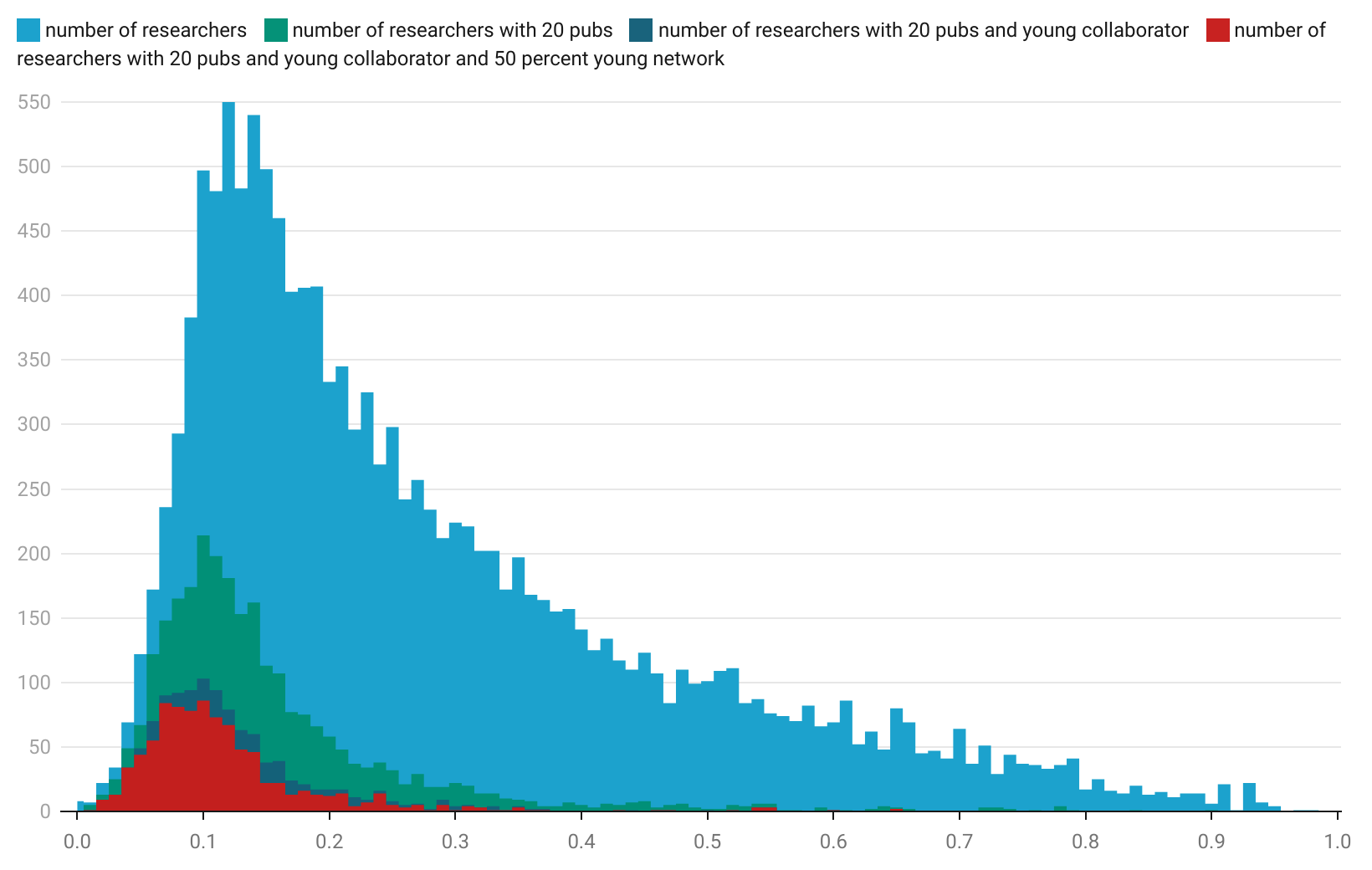
실험 결과
연구 질문
- RQ1위조된 공동저자 네트워크와 진정한 연구 협업 간을 구분하는 데 어떤 구조적 특성이 있는가?
- RQ2저자권 매매를 탐지하기 위해 텍스트나 이미지 기반 신호와는 별개로 저자 협업의 네트워크 수준 패턴을 사용할 수 있는가?
- RQ3탐지된 네트워크 지문이 텍스트 이상 탐지 기반 기존의 논문밀 탐지 방법과 얼마나 잘 일치하는가?
- RQ4네트워크 기반 탐지 방법이 위조된 저자 프로필을 신뢰성 있게 구축하는 데서 논문밀의 성공률을 얼마나 줄일 수 있는가?
- RQ5위조된 저자 네트워크의 확산을 효과적으로 제한하기 위해 어떤 제도적 및 기술적 개입이 가능한가?
주요 결과
- 제안된 방법은 Problematic Paper Screener의 '괴상한 어구 분석'과 '손상된 발자국 분석'을 통해 이상으로 간주된 논문의 37%를 탐지하여, 텍스트 기반 탐지 방법과 강력한 일치를 보였다.
- 위조된 공동저자 네트워크는 반복적인 공동저자 쌍이 통계적으로 유의미하게 부족하며, 이는 신뢰성 있게 모델링 가능한 고유한 지문을 형성한다.
- 생성형 AI의 발전으로 인해 텍스트 및 이미지 기반 탐지가 점점 더 어려워지는 상황에서도 이 방법은 효과를 유지하며 중요한 탐지 경로를 유지한다.
- 모델은 저자권 매매 네트워크에 관여할 가능성이 높은 연구자와 저널을 식별하여 사전 대응이 가능하게 한다.
- 기관 간 협업과 공유된 과학적 지표 데이터는 위조된 저자 네트워크의 확산을 추적하고 차단하는 데 필수적이다.
- 적대적 적응에 대한 우려가 있음에도 불구하고, 탐지 방법론과 익명화된 데이터의 개방적 공유가 공동 연구 윤리 향상에 필수적이다.
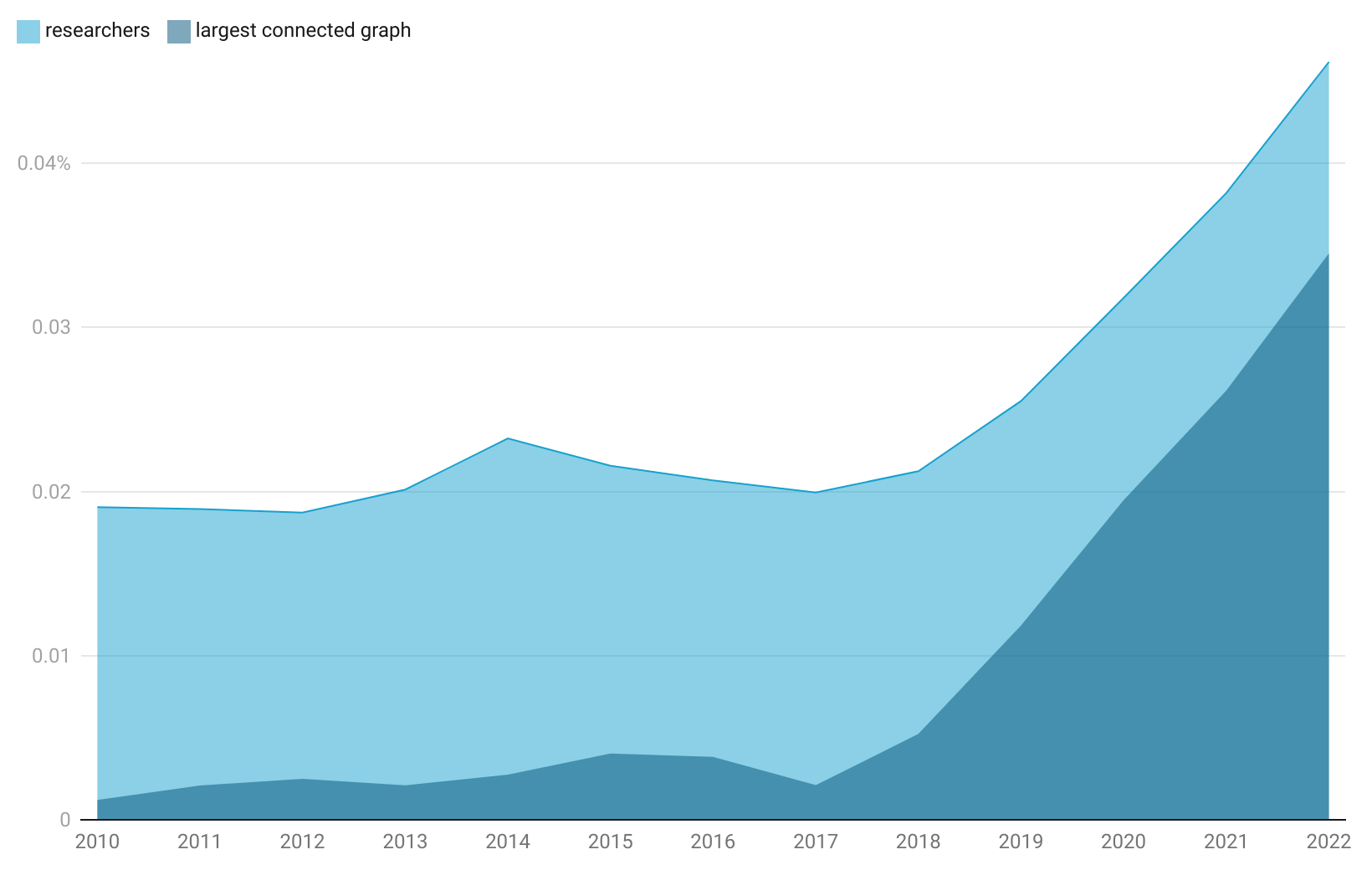
이 논문 읽기
누빈트 뷰어에서 원문을 열고, 읽으면서 궁금한 곳을 바로 물어보세요.
누빈트에서 이 논문 읽기이 리뷰는 AI가 논문 원문을 바탕으로 만들었습니다. 인용하기 전에 원문을 확인해 주세요.