
[논문 리뷰] Large Language Models in Cybersecurity: State-of-the-Art
대규모 언어 모델(LLMs)이 사이버 방어 및 공격에 어떻게 사용되는지에 대한 포괄적인 문헌 검토를 NIST 프레임워크와 MITRE ATT&CK에 매핑하고 연구 격차를 강조.
The rise of Large Language Models (LLMs) has revolutionized our comprehension of intelligence bringing us closer to Artificial Intelligence. Since their introduction, researchers have actively explored the applications of LLMs across diverse fields, significantly elevating capabilities. Cybersecurity, traditionally resistant to data-driven solutions and slow to embrace machine learning, stands out as a domain. This study examines the existing literature, providing a thorough characterization of both defensive and adversarial applications of LLMs within the realm of cybersecurity. Our review not only surveys and categorizes the current landscape but also identifies critical research gaps. By evaluating both offensive and defensive applications, we aim to provide a holistic understanding of the potential risks and opportunities associated with LLM-driven cybersecurity.
연구 동기 및 목표
- 사이버 보안에서 LLM의 방어적 및 적대적 활용을 특징화한다.
- LLM 기반 사이버 방어 접근법을 NIST 사이버보안 프레임워크의 기능(Identify, Protect, Detect, Respond, Recover)에 매핑한다.
- 공격 후(회복) 시나리오의 주요 연구 격차와 기회를 식별한다.
- 현재 문헌에 기반한 사이버 방어 및 공격에서 LLM 주도 전략의 분류 체계를 제공한다.
제안 방법
- 사이버 보안에서의 LLM에 관한 기존 문헌을 검토하고 합성한다.
- 방어적 활용을 NIST 프레임워크(Identify, Protect, Detect, Respond, Recover)에 따라 분류한다.
- MITRE ATT&CK 프레임워크 아래 LLM의 적대적/공격자 활용을 목록화한다.
- 인용된 연구에서 사용된 핵심 기법, 모델, 데이터 출처를 요약한다.
- 관찰된 경향을 기반으로 격차와 향후 연구 방향을 식별한다.
실험 결과
연구 질문
- RQ1사이버 보안에서 LLM의 방어적 활용 중 가장 발전된 것은 무엇이며 그것들이 NIST 프레임워크와 어떻게 정렬되어 있는가?
- RQ2LLMs가 사이버 보안에 도입하는 적대적/공격적 능력은 무엇이며 그것이 공격자 전술(MITRE ATT&CK)에 어떻게 매핑되는가?
- RQ3현재 LLM 기반 사이버 보안 연구에서 특히 공격 후(Identify/Respond/Recover) 분야의 주요 격차는 무엇인가?
주요 결과
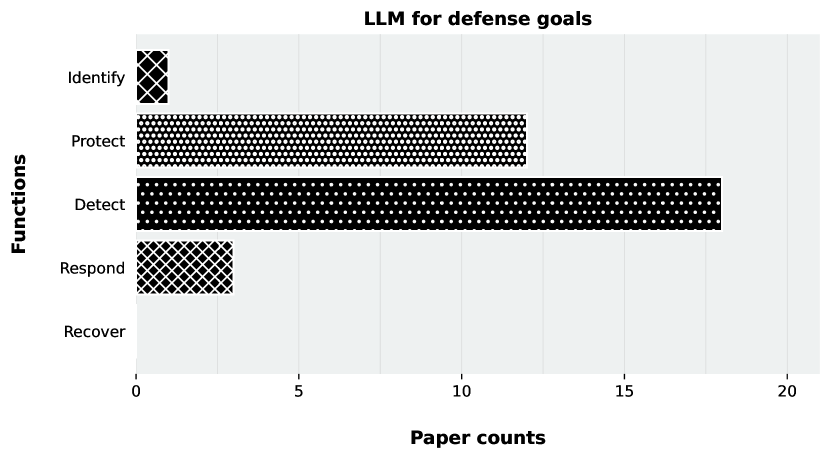
- 대다수 연구는 LLM 기반 사이버 방어에 대해 NIST 프레임워크의 Protect 및 Detect 기능에 초점을 맞춘다.
- 공격 후 시나리오, 특히 Recover에서 두드러진 연구 격차가 있으며, 어느 정도 Respond도 그렇다.
- 방어 지향 연구는 이상 탐지, 취약점 평가, 안전한 코딩, 피싱 및 맬웨어 탐지, CTI 처리 등을 광범위하게 포함한다.
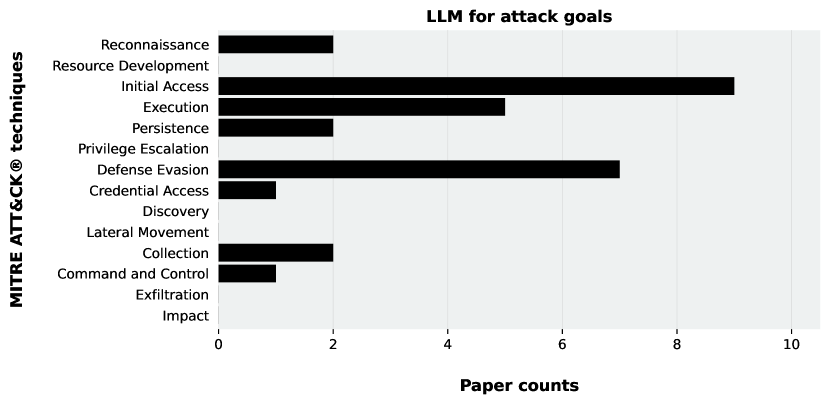
- 적대적 문헌은 LLM이 정찰, 초기 침투 및 실행을 스크립트화, 프롬프트 및 코드 생성 기법을 통해 활용될 수 있음을 보여준다.
- 다수의 연구는 레드팀핑, 피싱 사이트 탐지, 스마트 계약 감사, 자동화된 침투 테스트를 평가하여 이중 사용 가능성을 보여준다.
- 문헌 검토에는 다수의 도메인 특화 모델(CyBERT, SecureBERT, SecureFalcon 등)과 실제 배포(PENtestGPT, ShelLM 등)가 포함된다.
이 논문 읽기
누빈트 뷰어에서 원문을 열고, 읽으면서 궁금한 곳을 바로 물어보세요.
누빈트에서 이 논문 읽기이 리뷰는 AI가 논문 원문을 바탕으로 만들었습니다. 인용하기 전에 원문을 확인해 주세요.