
[논문 리뷰] Minimize Web Applications vulnerabilities through the early Detection of CRLF Injection
이 논문은 웹 애플리케이션에서 CRLF 인젝션 취약점을 조기에 탐지하기 위한 자동화된 프레임워크를 제안한다. 이 방법은 악성 CR/LF 시퀀스를 HTTP 헤더 응답에서 분석함으로써 오류 경고를 줄이고, Acunetix와 Metasploit Pro와 같은 기존 도구들보다 취약한 사이트를 더 잘 식별한다. 실제 테스트에서 40개의 웹사이트 중 3개가 CRLF 공격에 취약한 것으로 확인되었다.
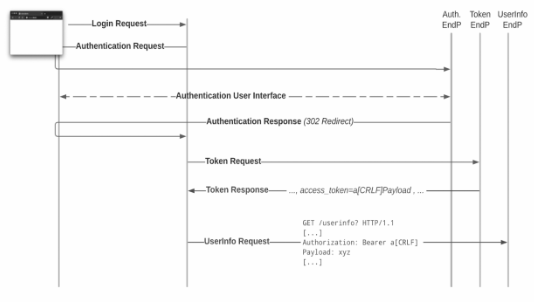
Carriage return (CR) and line feed (LF), also known as CRLF injection is a type of vulnerability that allows a hacker to enter special characters into a web application, altering its operation or confusing the administrator. Log poisoning and HTTP response splitting are two prominent harmful uses of this technique. Additionally, CRLF injection can be used by an attacker to exploit other vulnerabilities, such as cross-site scripting (XSS). According to Open Web Application Security Project (OWASP), CRLF vulnerabilities are among the top 10 vulnerabilities and are a type of injection attack. Automated testing can help to quickly identify CRLF vulnerabilities, and is particularly useful for companies to test their applications before releasing them. However, CRLF vulnerabilities foster a better approach to mitigate CRLF vulnerabilities in the early stage and help secure applications against high-risk known vulnerabilities. There has been less research on CRLF vulnerabilities and how to detect them with automated testing. There is room for further research to be done on this subject matter in order to develop creative solutions to problems. It will also help to reduce false positive alerts by checking the header response of each request. Security automation is an important issue for companies trying to protect themselves against security threats. Automated alerts from security systems can provide a quicker and more accurate understanding of potential vulnerabilities and can help to reduce false positive alerts. Despite the extensive research on various types of vulnerabilities in web applications, CRLF vulnerabilities have only recently been included in the research. Utilizing automated testing as a recurring task can assist companies in receiving consistent updates about their systems and enhance their security.
연구 동기 및 목표
- 높은 위험도를 지닌 바이나지만 자주 간과되는 웹 애플리케이션의 CRLF 인젝션 취약점 문제를 해결하기 위해.
- 실행 중인 소프트웨어 개발 생애주기 동안 CRLF 취약점을 자동으로 효율적으로 탐지하여 악용을 방지하기 위해.
- HTTP 헤더 응답과 입력 검증 패턴에 초점을 맞춰 오류 경고를 줄이기 위해.
- XSS, 로그 풀링, HTTP 응답 분할 공격와 같은 체인 공격을 방지하기 위해 CRLF 취약점을 조기에 탐지하기 위해.
- 성능 오버헤드를 최소화하면서도 실용적이고 확장 가능한 솔루션을 제공하여 웹 애플리케이션 보안을 향상시키기 위해.
제안 방법
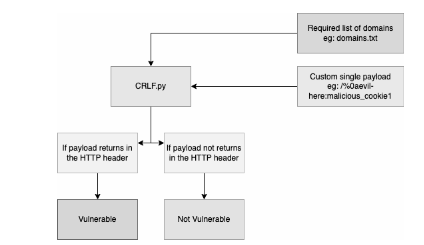
- 프레임워크는 URL 목록을 입력으로 받아 자동으로 HTTP GET 요청을 수행하여 응답 헤더를 분석한다.
- 응답 헤더 필드에서 ASCII 13(CR)과 ASCII 10(LF) 문자를 스캔하여 CRLF 인젝션을 탐지한다.
- 사용자 입력 내에서 CR 및 LF 시퀀스가 잘못 처리되는지 여부를 검증한다.
- 정상적인 줄 바꿈과 악성 인젝션 시도를 구분하기 위해 응답 헤더 분석을 사용한다.
- 구문 패턴만으로는 아니고 헤더 수준의 동작에 초점을 맞춰 오류 경고를 최소화하도록 설계되었다.
- 프레임워크는 40개의 실제 웹사이트에서 세 가지 도구(Acunetix, Metasploit Pro, 및 제안된 방법)와 비교하여 평가되었다.
실험 결과
연구 질문
- RQ1실제 웹 애플리케이션에서 CRLF 인젝션 취약점은 얼마나 퍼져 있는가?
- RQ2응답 헤더 분석을 통해 오류 경고 비율을 낮추면서 CRLF 취약점의 자동 탐지가 가능할까?
- RQ3Acunetix와 Metasploit Pro와 같은 기존 도구들과 비교해 제안된 프레임워크는 얼마나 효과적인가?
- RQ4CRLF 취약점은 XSS나 로그 풀링과 같은 더 심각한 공격으로 이어질 수 있는가?
- RQ5CRLF 인젝션의 조기 탐지는 보다 광범위한 애플리케이션 수준의 위협을 완화하는 데 어떤 역할을 하는가?
주요 결과
- 테스트한 40개의 실세계 웹사이트 중 세 곳이 CRLF 인젝션 공격에 취약한 것으로 확인되었다.
- 제안된 프레임워크는 Acunetix와 Metasploit Pro의 조합 탐지율을 초월하여 더 많은 취약한 웹사이트를 탐지했다.
- 일반적인 입력 패턴이 아닌 HTTP 헤더 응답에 집중함으로써 오류 경고 비율을 낮춘 결과를 얻었다.
- CRLF 취약점은 로그 풀링, HTTP 응답 분할, 권한 상승 공격를 가능하게 할 수 있는 심각한 위협 요소로 밝혀졌다.
- 이 연구는 CRLF 인젝션이 널리 퍼져 있지만 여전히 연구가 부족한 취약점이며, SQLi나 XSS와 같은 더 흔한 공격들에 비해 자주 간과된다는 점을 확인했다.
- 헤더 내 사용자 입력의 검증 및 정제는 CRLF 기반 악용을 방지하는 데 핵심적인 역할을 한다.
이 논문 읽기
누빈트 뷰어에서 원문을 열고, 읽으면서 궁금한 곳을 바로 물어보세요.
누빈트에서 이 논문 읽기이 리뷰는 AI가 논문 원문을 바탕으로 만들었습니다. 인용하기 전에 원문을 확인해 주세요.