
[논문 리뷰] Network Analytics for Anti-Money Laundering -- A Systematic Literature Review and Experimental Evaluation
97편의 논문에 걸친 AML용 네트워크 분석(NA)에 대한 체계적 문헌고찰과 Elliptic 데이터세트에서 주요 NA 방법을 벤치마크하는 실험 프레임워크를 제시하고, 그래프 신경망이 최고 성능을 보임을 보여준다.
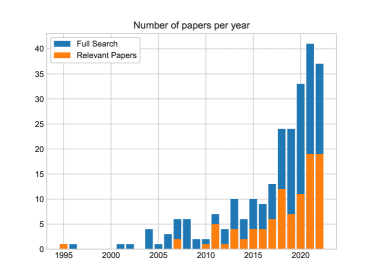
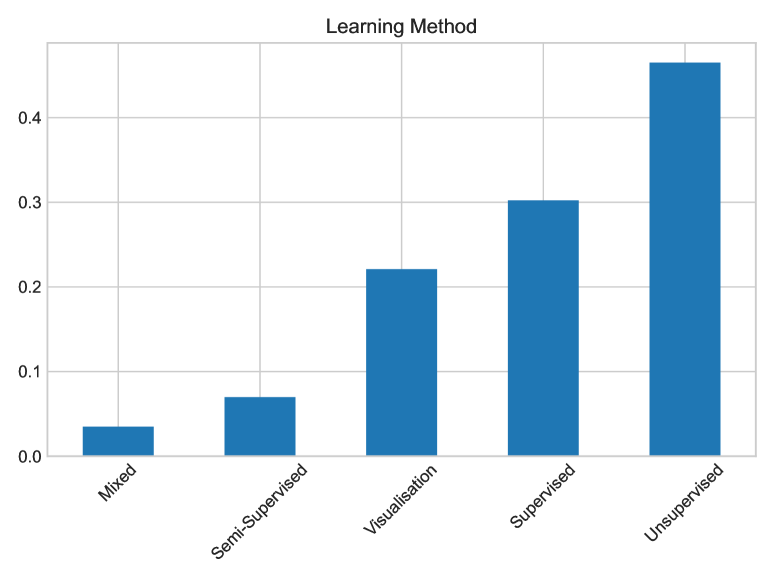
Money laundering presents a pervasive challenge, burdening society by financing illegal activities. The use of network information is increasingly being explored to effectively combat money laundering, given it involves connected parties. This led to a surge in research on network analytics for anti-money laundering (AML). The literature is, however, fragmented and a comprehensive overview of existing work is missing. This results in limited understanding of the methods to apply and their comparative detection power. This paper presents an extensive and unique literature review, based on 97 papers from Web of Science and Scopus, resulting in a taxonomy following a recently proposed fraud analytics framework. We conclude that most research relies on expert-based rules and manual features, while deep learning methods have been gaining traction. This paper also presents a comprehensive framework to evaluate and compare the performance of prominent methods in a standardized setup. We compare manual feature engineering, random walk-based, and deep learning methods on two publicly available data sets. We conclude that (1) network analytics increases the predictive power, but caution is needed when applying GNNs in the face of class imbalance and network topology, and that (2) care should be taken with synthetic data as this can give overly optimistic results. The open-source implementation facilitates researchers and practitioners to extend this work on proprietary data, promoting a standardised approach for the analysis and evaluation of network analytics for AML.
연구 동기 및 목표
- 법정통화와 암호화폐 맥락을 모두 아우르는 AML용 네트워크 분석에 대한 광범위한 체계적 고찰을 제공한다.
- AML 작업에서 NA 방법을 비교하기 위한 일관된 실험 프레임워크를 개발하고 공개한다.
- 공통 설정하에서 전통적 특징 기반, 랜덤 워크, 그래프 신경망 접근법을 평가한다.
- 복제와 확장을 위한 오픈 소스 코드를 제공하여 재현성을 촉진한다.
제안 방법
- Web of Science와 Scopus에서 97편의 논문을 식별하는 체계적 문헌고찰.
- 발표 데이터, 학습 방법, 평가 지표, 목적, 데이터 유형의 다섯 가지 차원을 사용하는 논문 분류 체계.
- Elliptic 데이터세트에 적용된 통합된 실험 프레임워크 구축.
- 수동 특징 공학, 랜덤 워크 기반 방법, 심층 학습 GNN을 단일 설정에서 구현.
- 복제와 확장을 가능하게 하는 오픈 소스 코드 저장소.
실험 결과
연구 질문
- RQ1문헌 전반에서 AML에 사용되는 주요 네트워크 분석 방법은 무엇인가(Supervised, Unsupervised, Visualization 포함)?
- RQ2실제 AML 데이터(Elliptic 데이터세트)에 대한 일관된 실험 설정에서 다양한 NA 방법의 성능은 어떠한가?
- RQ3NA의 비교가능성과 재현성에 영향을 미치는 데이터 및 평가 관행은 무엇인가?
주요 결과
- 네트워크 분석은 비-NA 기반 대조군에 비해 AML 모델의 예측력을 향상시킨다.
- Elliptic 데이터세트에서 평가된 NA 방법 중 그래프 신경망이 최상의 성능을 달성한다.
- 오픈 소스 데이터(암호 화폐)가 데이터 간 평가를 지배하는 반면, 비암호 AML 연구에서는 독점 데이터가 일반적이다.
- 대부분의 연구가 중심성 기반 특징에 의존하는 반면, AML NA 맥락에서 최첨단 딥러닝의 적용은 적다.
- 평가 결과 데이터 가용성, 레이블 불균형, 표준화된 벤치마크의 필요성과 같은 문제점을 부각시킨다.
이 논문 읽기
누빈트 뷰어에서 원문을 열고, 읽으면서 궁금한 곳을 바로 물어보세요.
누빈트에서 이 논문 읽기이 리뷰는 AI가 논문 원문을 바탕으로 만들었습니다. 인용하기 전에 원문을 확인해 주세요.