
[논문 리뷰] Sustainability in Computing Education: A Systematic Literature Review
이 체계적 문헌 고찰은 컴퓨팅 교육에서 지속 가능성에 관한 90篇의 연구를 종합하여 지속 가능성의 개념, 교수법적 접근 방식, 연구 품질을 규명한다. 학습 목표 및 성과를 위한 프레임워크를 제안하며, 대부분의 연구가 비판적 참여가 미흡한 경험 기반 보고서에 국한되어 있음을 드러내며, 비판 이론과 전환적 교육 모델의 심층적 통합이 필요하다고 주장한다.
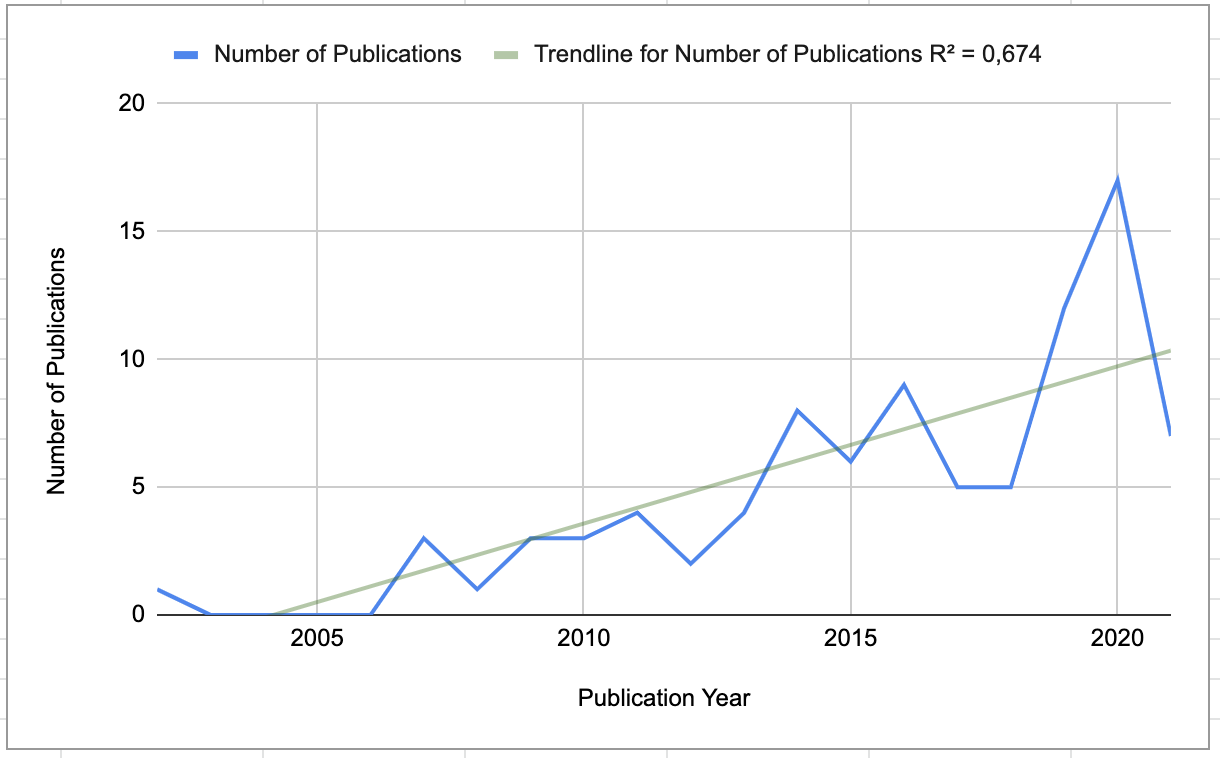
Research shows that the global society as organized today, with our current technological and economic system, is impossible to sustain. We are living in the Anthropocene, an era in which human activities in highly industrialized countries are responsible for overshooting several planetary boundaries, with poorer communities contributing least to the problems but being impacted the most. At the same time, technical and economic gains fail to provide society at large with equal opportunities and improved quality of life. This paper describes approaches taken in computing education to address the issue of sustainability. It presents results of a systematic review of literature on sustainability in computing education. From a set of 572 publications extracted from six large digital libraries plus snowballing, we distilled and analyzed the 90 relevant primary studies. Using an inductive and deductive thematic analysis, we study 1) conceptions of sustainability, computing, and education, 2) implementations of sustainability in computing education, and 3) research on sustainability in computing education. We present a framework capturing learning objectives and outcomes as well as pedagogical methods for sustainability in computing education. These results can be mapped to existing standards and curricula in future work. We find that only a few of the articles engage with the challenges as calling for drastic systemic change, along with radically new understandings of computing and education. We suggest that future research should connect to the substantial body of critical theory such as feminist theory of science and technology. Existing research on sustainability in computing education may be considered as rather immature as the majority of articles are experience reports with limited empirical research.
연구 동기 및 목표
- 지속 가능성의 개념이 컴퓨팅 교육 연구에서 어떻게 다루어지는지 조사하기 위해.
- 컴퓨팅 커리큘럼에서 지속 가능성의 구현 방식을 내용, 교수법, 학습 성과 측면에서 분석하기 위해.
- 컴퓨팅 교육에서의 지속 가능성에 관한 연구의 방법론적 품질과 연구 성숙도를 평가하기 위해.
- 현재 연구에서의 격차를 규명하기 위해, 특히 체계적이고 비판적인 접근이 부족한 체계적 불평등과 행성 경계 문제에 초점을 맞추기 위해.
- 지속 가능성의 전환적이고 형평성 있는, 비판적인 학습을 지원하는 컴퓨팅 교육에 통합하기 위한 프레임워크를 제안하기 위해.
제안 방법
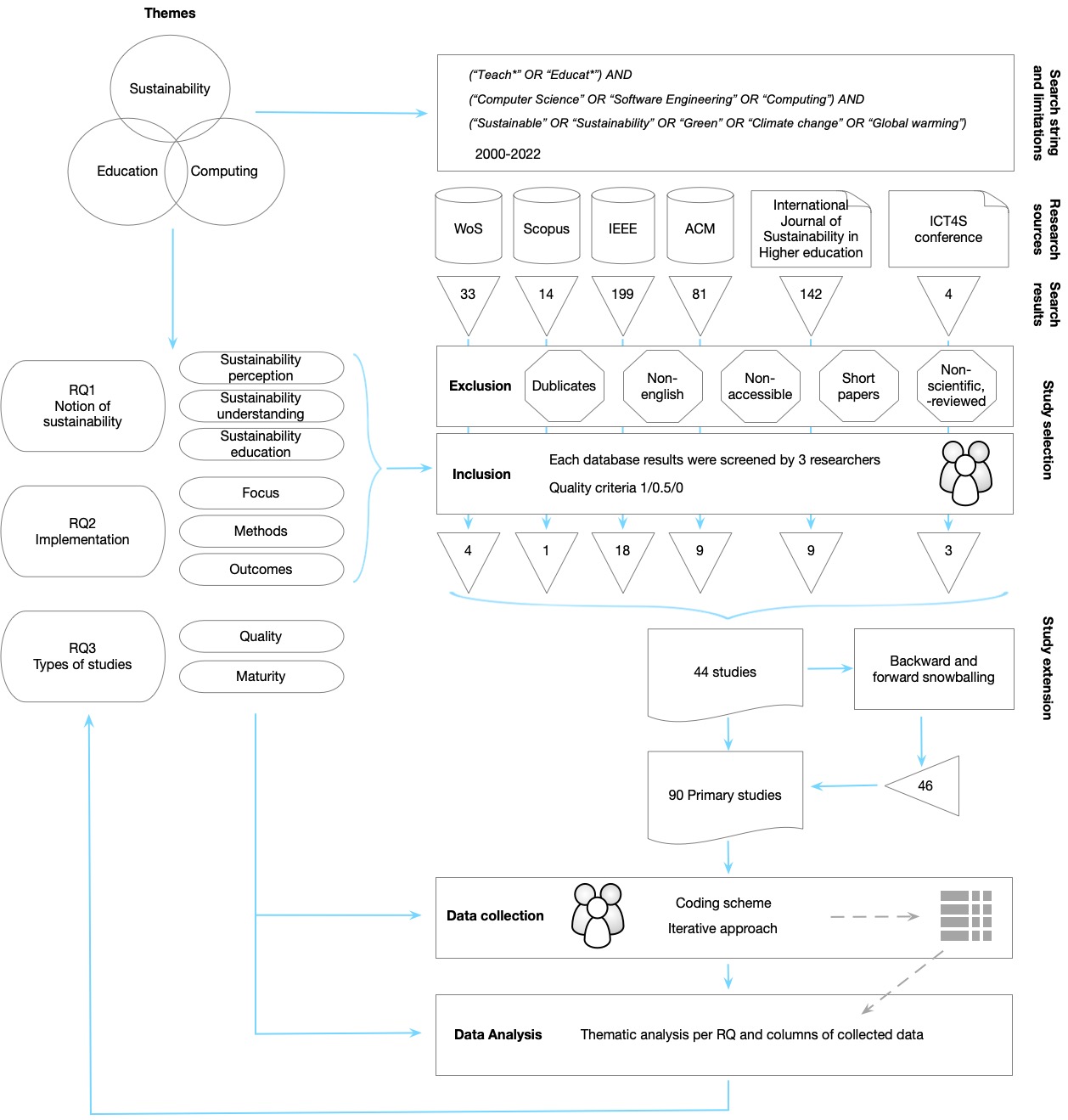
- 6개의 주요 디지털 라이브러리와 스노우볼링 기법을 사용하여 관련 출판물을 식별하기 위해 체계적 문헌 고찰(SLR)을 수행하였다.
- PRISMA 준수 선택 절차를 통해 572편의 출판물을 선별하여 분석 대상으로 90편의 주요 연구를 확정하였다.
- 지속 가능성의 개념, 교수법적 방법, 연구 품질에 관한 주제를 추출하기 위해 인덕티브 및 디덕티브 주제 분석을 적용하였다.
- 학습 목표, 성과, 교수법적 접근 방식을 맵핑하는 개념적 프레임워크를 개발하였다.
- 선택 및 해석 과정에서의 편향을 줄이고 방법론적 엄밀성을 확보하기 위해 다수의 저자 공감 및 주간 회의를 활용하였다.
- 기존 커리큘럼 기준 및 프레임워크에 결과를 맵핑하여 통합 가능성과 일치도를 평가하였다.
실험 결과
연구 질문
- RQ1컴퓨팅 교육 연구에서 지속 가능성은 어떻게 개념화되며, 이 개념은 컴퓨팅과 교육과 어떻게 연관되는가?
- RQ2컴퓨팅 교육에서의 지속 가능성에 관한 연구에서 보고된 교수법 및 학습 성과는 무엇인가?
- RQ3현재 컴퓨팅 교육에서의 지속 가능성에 관한 연구의 방법론적 품질과 연구 성숙도는 어떠한가?
- RQ4현재 컴퓨팅 교육에서의 지속 가능성 구현은 행성 경계와 사회적 불평등과 같은 체계적 과제를 어떻게 다루고 있는가?
- RQ5비판 이론과 전환적 교육은 컴퓨팅 교육에서의 지속 가능성 발전에 어떤 역할을 할 수 있는가?
주요 결과
- 90편의 연구 중 소수의 연구만이 지속 가능성의 체계적이고 구조적이며 상호작용적인 과제, 예를 들어 행성 경계와 사회적 불평등을 다루고 있다.
- 대부분의 연구는 경험 기반 보고서에 국한되어 있으며, 경험적 근거가 제한되어 있어 이 분야의 연구가 여전히 방법론적으로 성숙하지 못하고 있음을 시사한다.
- 학생들은 지속 가능성에 대한 인식, 우려, 능력 향상을 보고하여, 기술적 지식을 넘어서 긍정적인 학습 성과를 나타내고 있다.
- 지속 가능성의 권력과 형평성 문제를 깊이 이해하는 데 기여할 수 있는 페미니즘 과학 및 기술 연구와 같은 비판 이론과의 연결 부족이 두드러진다.
- 다수의 구현 사례에서 지속 가능성은 컴퓨팅 및 교육 실천 방식을 재고하는 전환적 렌즈가 아니라, 추가적인 주제로 다뤄지고 있다.
- 학습 목표, 성과, 교수법적 방법을 위한 프레임워크를 개발하여 커리큘럼 통합과 향후 연구의 기초를 마련하였다.
더 나은 연구,지금 바로 시작하세요
논문 읽기부터 검토까지, 연구 시간을 획기적으로 줄여보세요.
카드 등록 없음 · 무료 플랜 제공
이 리뷰는 AI가 만들고, 인간 에디터가 검토했습니다.