
[논문 리뷰] The geometry of hidden representations of large transformer models
본 논문은 대형 자기지도 학습 트랜스포머에서 층을 거치며 고유 차원(intrinsic dimension)과 이웃 구조가 어떻게 진화하는지 분석하고, 중간 층이 가장 의미론적 내용을 인코딩하며 무감독하게도 ID 최소값을 통해 식별 가능하다는 세 단계의(ID 경로가 있는 경우 네 단계로 확장될 수 있음) 패턴을 제시한다.
Large transformers are powerful architectures used for self-supervised data analysis across various data types, including protein sequences, images, and text. In these models, the semantic structure of the dataset emerges from a sequence of transformations between one representation and the next. We characterize the geometric and statistical properties of these representations and how they change as we move through the layers. By analyzing the intrinsic dimension (ID) and neighbor composition, we find that the representations evolve similarly in transformers trained on protein language tasks and image reconstruction tasks. In the first layers, the data manifold expands, becoming high-dimensional, and then contracts significantly in the intermediate layers. In the last part of the model, the ID remains approximately constant or forms a second shallow peak. We show that the semantic information of the dataset is better expressed at the end of the first peak, and this phenomenon can be observed across many models trained on diverse datasets. Based on our findings, we point out an explicit strategy to identify, without supervision, the layers that maximize semantic content: representations at intermediate layers corresponding to a relative minimum of the ID profile are more suitable for downstream learning tasks.
연구 동기 및 목표
- 대형 자기지도 학습 트랜스포머에서 숨겨진 표현의 기하학적 속성(고유 차원 및 이웃 구성)이 층을 거치며 어떻게 진화하는지 이해한다.
- 단백질 언어 모델(pLM)과 이미지 트랜스포머 간의 기하학적 차이를 비교하여 공통 패턴을 식별한다.
- 다운스트림 작업을 위한 최대 의미 content를 가진 층을 무감독으로 위치시키는 전략을 제안한다.
제안 방법
- 가장 가까운 이웃 거리에서 TwoNN 추정기를 사용하여 층 표현의 고유 차원(ID)을 추정한다.
- 로컬 이웃 구조의 변화를 정량화하기 위해 층 간 이웃 중첩 chi_k^{l,m}를 측정한다.
- (val) ground-truth 의미 레이블(예: 원격 동족성(remote homology), ImageNet 클래스)과의 정렬을 평가하기 위해 chi_k^{l,gt}를 계산한다.
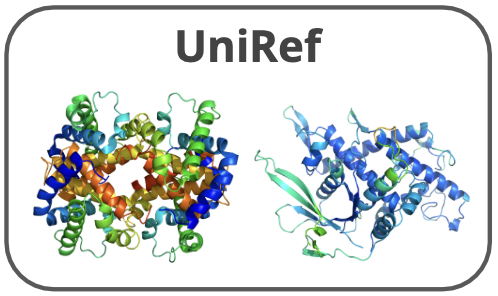
- 분석을 위해 ESM-2 단백질 언어 모델과 iGPT 이미지 트랜스포머로부터 중간층 표현을 추출한다.
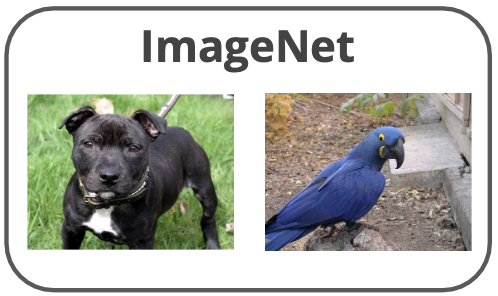
- 모델 크기, 작업, 데이터 세트(ProteinNet, SCOPe, ImageNet)에 걸쳐 ID 및 이웃 지표를 분석한다.
- ID 프로필의 국소 극값을 이용한 무감독 방식으로 의미적으로 풍부한 층을 식별한다.]
- 테이블 Headers 및 Rows는 필요 시 추후 보완
실험 결과
연구 질문
- RQ1자기지도 학습으로 학습된 대형 트랜스포머의 층 간 표현의 고유 차원은 어떻게 변하는가?
- RQ2ID 및 이웃 구조가 단백질 언어 모델과 이미지 트랜스포머 간에 일관된 단계들을 보이는가?
- RQ3무감독 지표로 다운스트림 작업에 최대한의 의미 콘텐츠를 가진 층을 식별할 수 있는가?
- RQ4의미 정보(원격 동족성, 이미지 클래스 레이블)가 ID 프로필 및 층 위치와 어떤 관계에 있는가?
- RQ5pLM과 iGPT 간의 ID 역학 차이와 모델 크기 및 작업이 이를 어떻게 영향을 미치는가?
주요 결과
- 대형 트랜스포머의 ID 프로필은 pLM의 경우 세 가지 단계(정점, 고원, 마지막 상승)를 보이고, iGPT의 경우 네 번째 단계(두 번째 정점)를 보인다.
- ID 정점은 초기기에 나타나며, 고원은 낮은 ID와 안정된 이웃 구조를 보여 semantically 의미 있는 표현을 시사한다.
- 의미 정보(단백질의 원격 동족성; 이미지의 ImageNet 라벨)는 ID가 낮은 고원 구간이나 ID 프로필의 상대적 최소 근처에서 가장 잘 표현된다.
- ground-truth 클래스와의 중첩 chi_k^{l,gt}는 고원 구간에서(또는 iGPT의 경우 ID 최소 근처에서) 정점에 도달하며 인코딩 도중 의미 콘텐츠의 집중을 시사한다.
- ID 프로필을 기반으로 한 무감독 전략은 다운스트림 학습 작업에 가장 적합한 층을 식별할 수 있다.
- iGPT에서 끝에 가까운 두 번째 얕은 ID 정점은 처음과 대칭적인 재구성(autoencoder와 유사한) 행동을 보인다.
이 논문 읽기
누빈트 뷰어에서 원문을 열고, 읽으면서 궁금한 곳을 바로 물어보세요.
누빈트에서 이 논문 읽기이 리뷰는 AI가 논문 원문을 바탕으로 만들었습니다. 인용하기 전에 원문을 확인해 주세요.