
[논문 리뷰] Use of LLMs for Illicit Purposes: Threats, Prevention Measures, and Vulnerabilities
이 논문은 대형 언어 모델(LLM)의 악용과 관련된 위협, 예방 조치, 취약점의 분류를 제시하고, 기존 문헌을 조사하며 안전 문제, 방어 및 공격 면을 논의한다.
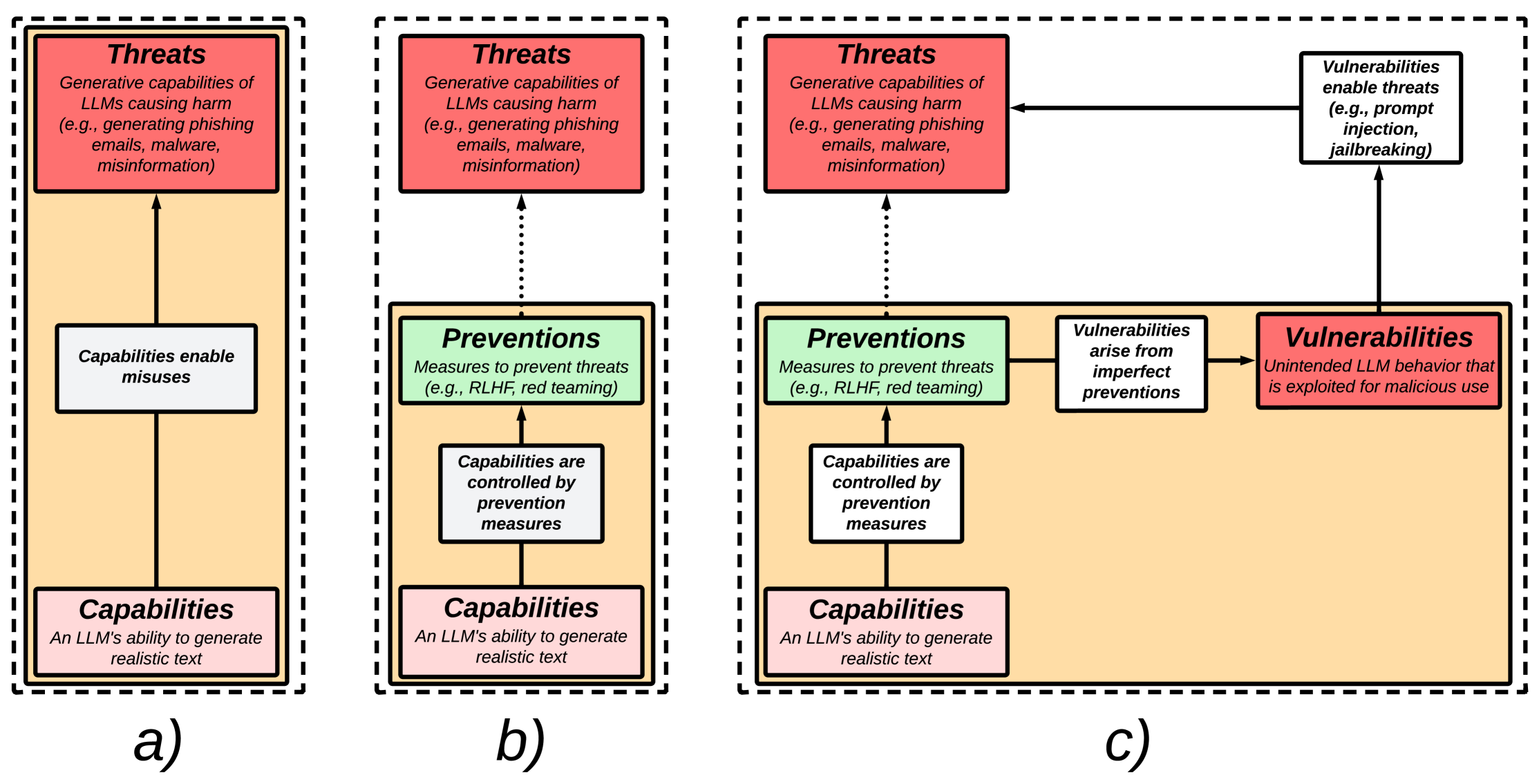
Spurred by the recent rapid increase in the development and distribution of large language models (LLMs) across industry and academia, much recent work has drawn attention to safety- and security-related threats and vulnerabilities of LLMs, including in the context of potentially criminal activities. Specifically, it has been shown that LLMs can be misused for fraud, impersonation, and the generation of malware; while other authors have considered the more general problem of AI alignment. It is important that developers and practitioners alike are aware of security-related problems with such models. In this paper, we provide an overview of existing - predominantly scientific - efforts on identifying and mitigating threats and vulnerabilities arising from LLMs. We present a taxonomy describing the relationship between threats caused by the generative capabilities of LLMs, prevention measures intended to address such threats, and vulnerabilities arising from imperfect prevention measures. With our work, we hope to raise awareness of the limitations of LLMs in light of such security concerns, among both experienced developers and novel users of such technologies.
연구 동기 및 목표
- 생성 능력을 통해 LLM이 악의적 활동을 어떻게 가능하게 하는지 특징화한다.
- 위협, 방어, 취약점에 대한 기존 연구를 통합 분류표로 맵핑한다.
- 현재 예방 방법의 한계를 강조하고 향후 보안 문제를 개략적으로 제시한다.
제안 방법
- LLM 안전 및 보안에 관한 동료 심사된 논문과 비동료 심사 논문을 선별하고 종합한다.
- 위협, 예방 조치, 취약점을 연결하는 분류표를 제안한다.
- 다양한 연구에서 얻은 실증적 및 질적 발견을 요약하여 위험 현황을 보여준다.
실험 결과
연구 질문
- RQ1LLM의 생성 능력에서 어떤 위협이 발생하는가(예: 사기, 사칭, 악성 코드, 잘못된 정보)?
- RQ2이러한 위협을 완화하기 위해 제안된 예방 조치는 무엇인가(예: 콘텐츠 필터링, RLHF, 레드팀)?
- RQ3예방이 불완전할 때 나타나는 취약점은 무엇인가(예: 프롬프트 주입, jailbreaking)?
- RQ4LLM 안전 연구의 더 넓은 한계와 향후 보안 문제는 무엇인가?
주요 결과
- LLMs는 사기, 사칭, 악성 코드 생성, 잘못된 정보 및 데이터 관련 피해를 악용될 수 있다.
- 예방 조치에는 콘텐츠 탐지, 레드 팀 운영, RLHF, 지시 준수에 의한 안전성, 데이터 보호 전략이 포함된다.
- 프롬프트 주입 및 jailbreaking과 같은 취약점은 예방 노력에도 불구하고 위협을 재활성화시킬 수 있다.
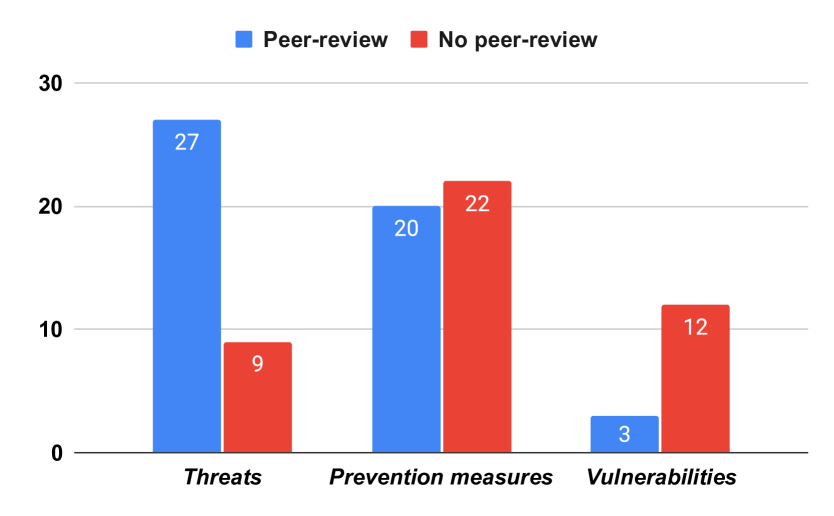
- 문헌 기반은 동료 심사 논문과 비동료 심사 논문이 혼합되어 있으며, 형식적 검증의 정도가 다양하다.
- 본 논문은 대중의 우려와 진화하는 공격 표면에 대한 LLM 안전성에 대한 지속적 평가의 필요성을 다룬다.
이 논문 읽기
누빈트 뷰어에서 원문을 열고, 읽으면서 궁금한 곳을 바로 물어보세요.
누빈트에서 이 논문 읽기이 리뷰는 AI가 논문 원문을 바탕으로 만들었습니다. 인용하기 전에 원문을 확인해 주세요.