
[論文レビュー] A Comparative Analysis of Energy Consumption Between The Widespread Unreal and Unity Video Game Engines
本研究では、標準的なゲームPC上で制御された電力測定を用いて、3つの主要なゲーム開発シナリオ(物理学、静的メッシュ、動的メッシュ)におけるUnityとUnreal Engineのエネルギー消費を比較した。結果、物理学シナリオではUnityがUnreal Engine比で351%高いエネルギー効率を示し、静的メッシュでは17%、動的メッシュではUnreal Engineが26%高いエネルギー効率を示した。これは、年間で少なくとも51 TWhのグローバルエネルギー節約が可能であることを示しており、グリーンゲーム開発に貢献する大きな潜在的効果を持つ。
The total energy cost of computing activities is steadily increasing and projections indicate that it will be one of the dominant global energy consumers in the coming decades. However, perhaps due to its relative youth, the video game sector has not yet developed the same level of environmental awareness as other computing technologies despite the estimated three billion regular video game players in the world. This work evaluates the energy consumption of the most widely used industry-scale video game engines: Unity and Unreal Engine. Specifically, our work uses three scenarios representing relevant aspects of video games (Physics, Statics Meshes, and Dynamic Meshes) to compare the energy consumption of the engines. The aim is to determine the influence of using each of the two engines on energy consumption. Our research has confirmed significant differences in the energy consumption of video game engines: 351% in Physics in favor of Unity, 17% in Statics Meshes in favor of Unity, and 26% in Dynamic Meshes in favor of Unreal Engine. These results represent an opportunity for worldwide potential savings of at least 51 TWh per year, equivalent to the annual consumption of nearly 13 million European households, that might encourage a new branch of research on energy-efficient video game engines.
研究の動機と目的
- UnityとUnreal Engine、2大ゲームエンジンのエネルギー消費の違いを評価すること。
- 主なゲーム開発ワークロードにおいて、どちらのエンジンがよりエネルギー効率的であるかを特定すること。
- ゲーム開発におけるエネルギー効率の良いエンジンの選択が、もたらすグローバルなエネルギー節約の規模を定量化すること。
- エネルギー効率の良いゲームエンジン設計および持続可能なソフトウェア工学の実践を促進する研究を奨励すること。
提案手法
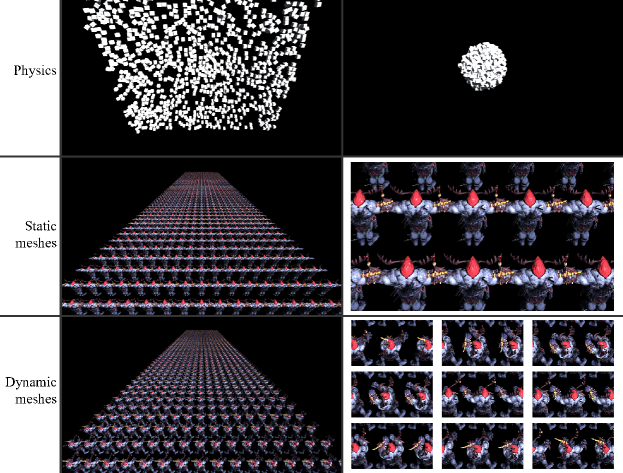
- 3つの代表的なゲーム開発シナリオ(物理学シミュレーション、静的メッシュのレンダリング、動的メッシュのレンダリング)を実装した。
- 標準化されたゲームPCを用い、制御された条件下で校正済みの電力計(Fluke 435 II)を用いて電力消費を測定した。
- 両エンジンに同一の実装を適用することで、公平な比較を確保した。
- エネルギー消費が電力消費に比例するように、同一の実行時間での測定を実施した。
- 信頼性と再現性を確保するため、1台の被験装置(DUT)を用いた検証済みの測定プロセスを採用した。
- 各シナリオにおける2つのエンジン間の相対的なエネルギー効率の差を特定するために、結果を分析した。
実験結果
リサーチクエスチョン
- RQ1物理学シミュレーションにおいて、UnityとUnreal Engineのどちらがエネルギー消費が少ないか?
- RQ2静的メッシュレンダリングにおいて、UnityとUnreal Engineのエネルギー消費はどのように比較できるか?
- RQ3動的メッシュレンダリングにおいて、UnityとUnreal Engineの相対的なエネルギー効率はどのようになるか?
- RQ4開発者が各ワークロードタイプでよりエネルギー効率の良いエンジンを選択した場合、潜在的なグローバルエネルギー節約はどの程度か?
- RQ5エンジンの選定が、ゲームの全体的なエネルギーインパクトに顕著な影響を与える可能性があるか?
主な発見
- 物理学シミュレーションワークロードにおいて、UnityはUnreal Engine比で351%高いエネルギー効率を示した。
- 静的メッシュレンダリングにおいて、UnityはUnreal Engine比で17%高いエネルギー効率を示した。
- 動的メッシュレンダリングにおいて、Unreal EngineはUnity比で26%高いエネルギー効率を示した。
- 3つのシナリオにおけるエネルギー効率の差の合計は、年間で少なくとも51 TWhのグローバルエネルギー節約が可能であると示唆している。
- この節約量は、約1300万戸のヨーロッパの家庭が1年間で消費する電力量に相当する。
- これらの結果は、エンジンの選定がゲームの環境的インパクトに顕著な影響を与える可能性があることを示している。
この論文を読む
Nubintのビューアで原文を開き、読みながら気になる箇所をすぐに質問できます。
Nubintでこの論文を読むこのレビューはAIが論文の原文をもとに作成しました。引用する前に原文をご確認ください。