
[論文レビュー] A Novel Approach to the Behavioral Aspects of Cybersecurity
本論文は、状況的支援、自己効力感、反応効力、行動包括性を強調する画期的な行動的サイバーセキュリティフレームワークを提案し、情報セキュリティ遵守を向上させる。構造方程式モデリングおよびブートストラップ分析を用いて、状況的支援が自己効力感と行動包括性を経由してサイバーセキュリティ習慣を顕著に促進することを示し、高リスクな文脈における組織的訓練およびAIベースの疲労検出に向けた実用的知見を提供する。
The Internet and cyberspace are inseparable aspects of everyone's life. Cyberspace is a concept that describes widespread, interconnected, and online digital technology. Cyberspace refers to the online world that is separate from everyday reality. Since the internet is a recent advance in human lives, there are many unknown and unpredictable aspects to it that sometimes can be catastrophic to users in financial aspects, high-tech industry, and healthcare. Cybersecurity failures are usually caused by human errors or their lack of knowledge. According to the International Business Machines Corporation (IBM) X-Force Threat Intelligence Index in 2020, around 8.5 billion records were compromised in 2019 due to failures of insiders, which is an increase of more than 200 percent compared to the compromised records in 2018. In another survey performed by the Ernst and Young Global Information Security during 2018-2019, it is reported that 34% of the organizations stated that employees who are inattentive or do not have the necessary knowledge are the principal vulnerabilities of cybersecurity, and 22% of the organizations indicated that phishing is the main threat to them. Inattentive users are one of the reasons for data breaches and cyberattacks. The National Cyber Security Centre (NCSC) in the United Kingdom observed that 23.2 million users who were victims of cybersecurity attacks used a carelessly selected password, which is 123456, as their account password. The Annual Cybersecurity Report published by Cisco in 2018 announced that phishing and spear phishing emails are the root causes of many cybersecurity attacks in recent years. Hence, enhancing the cybersecurity behaviors of both personal users and organizations can protect vulnerable users from cyber threats. Both human factors and technological aspects of cybersecurity should be addressed in organizations for a safer environment.
研究の動機と目的
- 人的ミスが継続的にサイバーセキュリティ侵害に寄与する要因であることを踏まえ、特に内部者脅威やフィッシング攻撃に対する対策を講じること。
- 状況的支援、自己効力感、行動包括性といった心理的および環境的要因が情報セキュリティ遵守に与える影響を調査すること。
- 人間要因をサイバーセキュリティ戦略に統合する検証済みの行動モデルを構築すること。
- 外部メールのラベリングやAIベースの疲労検出といった実用的介入策を提案し、攻撃のピーク時における認知的脆弱性に焦点を当てる。
提案手法
- 構造方程式モデリング(SEM)を用いて、状況的支援、自己効力感、反応効力、行動包括性、サイバーセキュリティ習慣との理論的枠組みを検証する。
- 協調性、イノベーション、一貫性、効果性の4つの組織文化の構造を測定するための26の妥当性が確認された項目を用いた。
- Cronbach’s alpha >0.91を満たす既存スケールを用いて、自己効力感(SE)、反応効力(RE)、習慣(HA)、行動包括性(BC)を測定した。
- 自己効力感と行動包括性が、状況的支援とサイバーセキュリティ習慣の関係に及ぼす系列的多重中介効果を検証するため、ブートストラップ分析(5,000回の再サンプリング)を実施した。
- 行動的効果を隔離するために、性別、専攻、学年、人口統計的要因などの制御変数を多変量解析に組み込んだ。
- 2つの実用的介入策を提案した:外部メールへのラベル付与、および画像/動画処理を用いたAI駆動の疲労検出(高リスク作業時間帯に特化)。
実験結果
リサーチクエスチョン
- RQ1状況的支援は、自己効力感と行動包括性を経由してどのようにサイバーセキュリティ行動に影響を与えるか?
- RQ2自己効力感と反応効力は、状況的支援とサイバーセキュリティ習慣の関係をどの程度中介するか?
- RQ3協調性、イノベーション、一貫性、効果性といった組織文化の特徴が、情報セキュリティ遵守意思にどのように影響を与えるか?
- RQ4心理的契約および従業員固有の要因(例:年齢、勤務年数、社会的地位)は、情報セキュリティポリシー遵守にどのような役割を果たすか?
- RQ5AIベースの疲労検出ツールは、認知的疲労をピーク攻撃時刻に特定することで、人的ミスを低減できるか?
主な発見
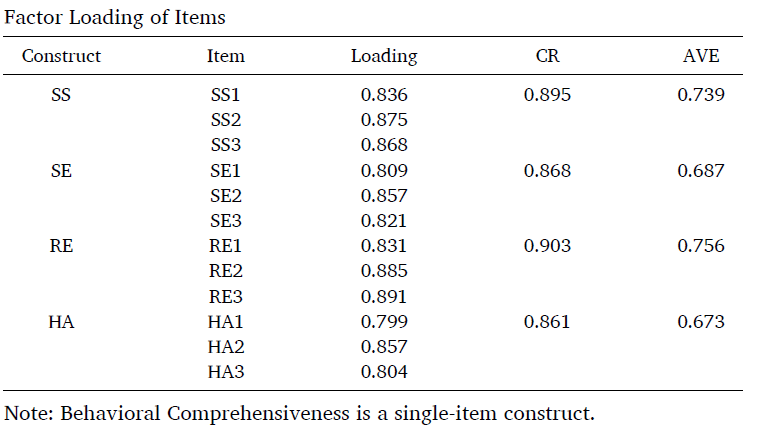
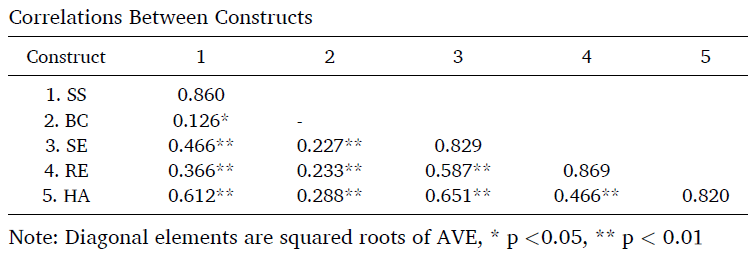
- 状況的支援は自己効力感および反応効力に顕著な正の影響を及ぼし、合成妥当性(CR)が0.7以上、平均抽出分散(AVE)が0.5以上であるため、強い収束妥当性が確認された。
- 自己効力感と反応効力は、状況的支援と行動包括性の関係を共同で中介しており、自己効力感と行動包括性の系列的多重中介効果の95%信頼区間は0を含まず、有意であった。
- 自己効力感と行動包括性の系列的多重中介効果が、状況的支援がサイバーセキュリティ習慣に及ぼす正の影響を完全に説明している。
- 習慣要因(HA)のCronbach’s alphaは0.925であり、長期的なサイバーセキュリティ行動を測定するうえで高い内部的一致性と信頼性を示した。
- 心理的契約の果たしがたは、被監督者に比べ管理者において情報セキュリティ遵守意思により強い影響を及ぼすことが判明し、役割に応じた行動的ダイナミクスの重要性が浮き彫りになった。
- 機械学習を用いた画像/動画処理によるAIベースの疲労検出アプローチは、ピークフィッシング攻撃時における認知的疲労の特定に潜在的効果を示したが、プライバシー懸念を伴う。
この論文を読む
Nubintのビューアで原文を開き、読みながら気になる箇所をすぐに質問できます。
Nubintでこの論文を読むこのレビューはAIが論文の原文をもとに作成しました。引用する前に原文をご確認ください。