
[論文レビュー] A Philosophical Introduction to Language Models -- Part I: Continuity With Classic Debates
この論文は大規模言語モデル(LLMs)に関する哲学的の入門と調査を提供し、それらが従来の仮定に挑戦することを主張する一方で、実証的な道筋を概説し、内的な作動を探る Part II を設定している。
Large language models like GPT-4 have achieved remarkable proficiency in a broad spectrum of language-based tasks, some of which are traditionally associated with hallmarks of human intelligence. This has prompted ongoing disagreements about the extent to which we can meaningfully ascribe any kind of linguistic or cognitive competence to language models. Such questions have deep philosophical roots, echoing longstanding debates about the status of artificial neural networks as cognitive models. This article -- the first part of two companion papers -- serves both as a primer on language models for philosophers, and as an opinionated survey of their significance in relation to classic debates in the philosophy cognitive science, artificial intelligence, and linguistics. We cover topics such as compositionality, language acquisition, semantic competence, grounding, world models, and the transmission of cultural knowledge. We argue that the success of language models challenges several long-held assumptions about artificial neural networks. However, we also highlight the need for further empirical investigation to better understand their internal mechanisms. This sets the stage for the companion paper (Part II), which turns to novel empirical methods for probing the inner workings of language models, and new philosophical questions prompted by their latest developments.
研究の動機と目的
- 心の哲学・言語・科学の長年の議論の中にLLMsを位置づける。
- LLMsが表層的な振る舞いを超えて意味のある認知モデルになり得るかを評価する。
- 内部機構と知識獲得に関連する実証的・理論的証拠を調査する。
- LLMsの内的作動を探る将来の研究方向と実証的方法を提示する。
提案手法
- 哲学とLLM技術を橋渡しする意見的な調査を提供する。
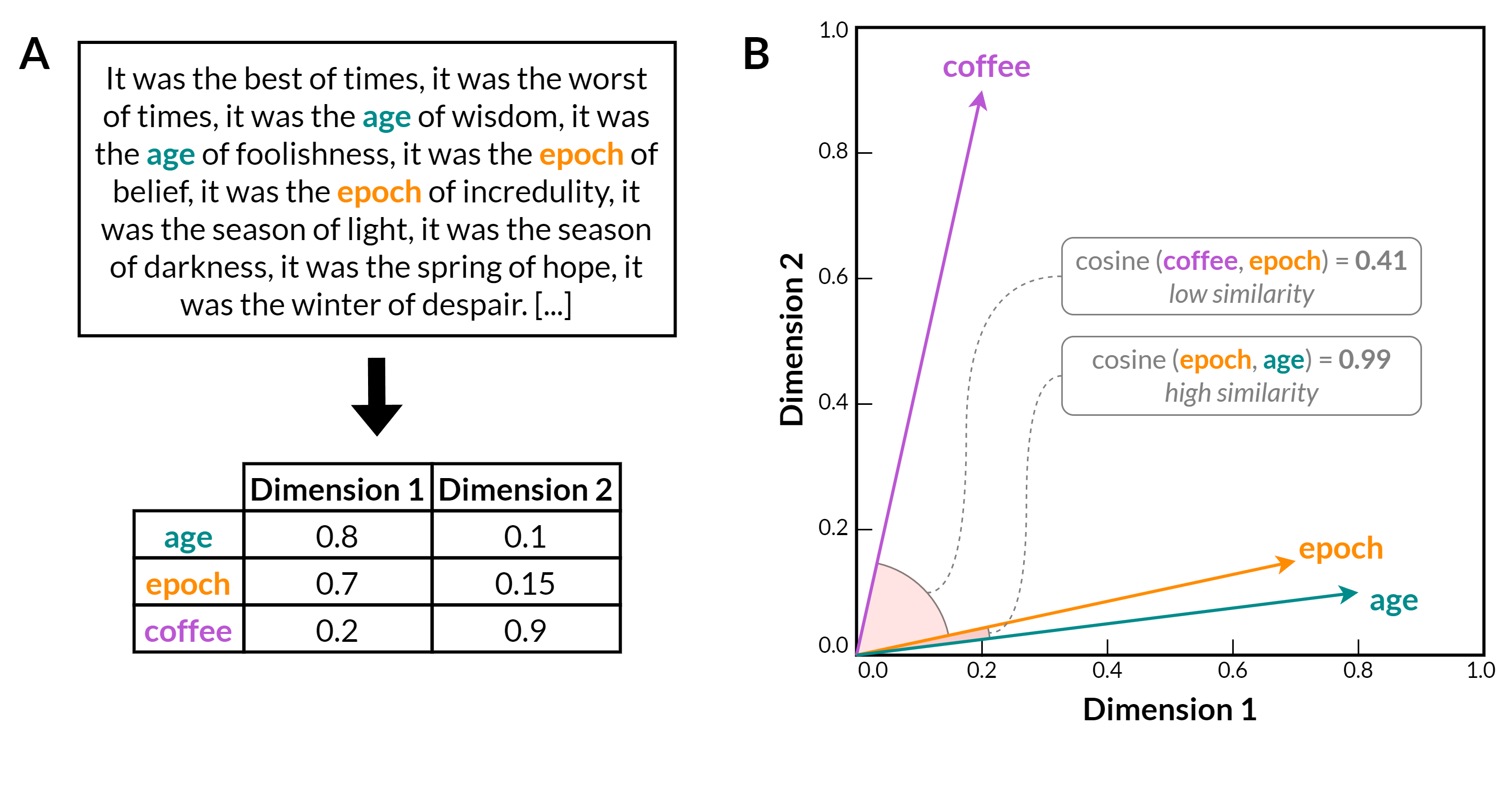
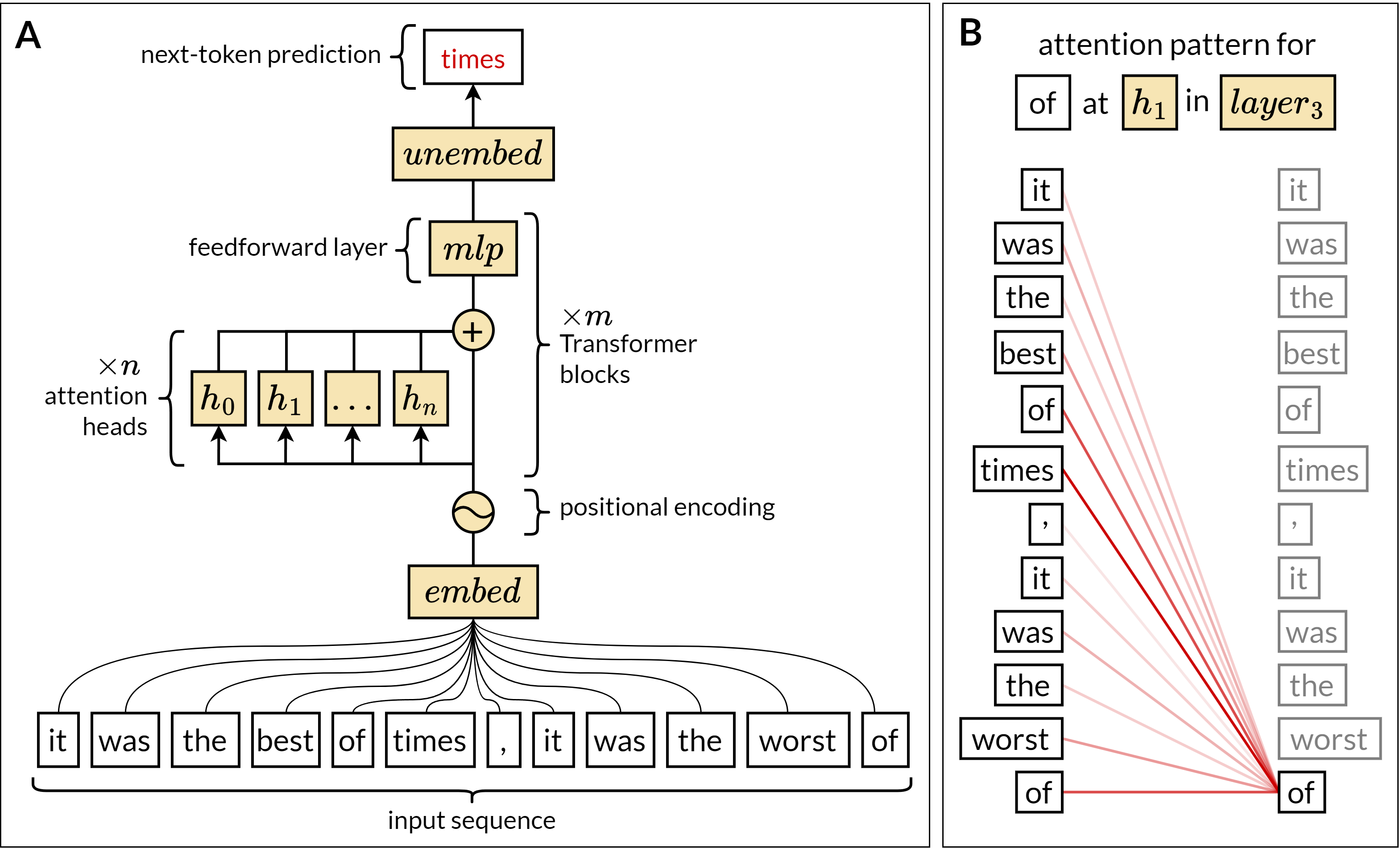
- 歴史的基盤と主要なアーキテクチャ(Transformer、自己注意機構)を強調する。
- 実証的証拠と方法論的考慮(行動ベンチマークとプロービング)を論じる。
- Redescription Fallacyを導入し、証拠なしに事前結論を避ける警鐘を鳴らす。
- RLHFとインコンテキスト学習がLLMsの規範的な使用にどのように影響するかを概説する。
- 内的機構を問う新しい実証的方法を詳述するPart IIの準備を整える。
実験結果
リサーチクエスチョン
- RQ1LLMsは表層的なパフォーマンスを超えて、人間の言語的または認知的プロセスの忠実なモデルを構成するのか。
- RQ2アーキテクチャ、データ、訓練からのどの実証的証拠が、LLMsを認知モデルとしての議論を裁定できるのか。
- RQ3RLHFやインコンテキスト学習のような技術は、真実性、有用性、安全性といったLLMsの規範的評価にどのように影響するのか。
- RQ4行動ベンチマークを超えて、LLMsの内部表現と計算を照らす方法論的アプローチは何か。
主な発見
- LLMsは、推論せずに memorization するだけの人工ニューラルネットワークという長年の仮定に挑戦する。
- LLMsを認知モデルとしての議論を裁くには、実証的および方法論的証拠が、単なるアーキテクチャやデータの記述に留まらず不可欠である。
- インコンテキスト学習とFew-shot学習は、特に大規模モデルとRLHFにおいて、堅牢なゼロショットおよびFew-shotの性能を可能にする。
- 表面的なベンチマークを超えて内部機構を解明するためのプロービングと介入研究の必要性。
- 本論文は、心の哲学の議論をLLMの振る舞いや内部表現を用いて実証的に根拠づけることを主張し、Part IIでそのような方法を詳述する。
この論文を読む
Nubintのビューアで原文を開き、読みながら気になる箇所をすぐに質問できます。
Nubintでこの論文を読むこのレビューはAIが論文の原文をもとに作成しました。引用する前に原文をご確認ください。