
[論文レビュー] A Survey on Data Selection for Language Models
この論文は、言語モデルのデータ選択手法の包括的なレビューを提供し、統一的なフレームワーク、分類法、そして事前学習、指示チューニング、整合性、関連領域を横断する今後の研究の指針を提示します。
A major factor in the recent success of large language models is the use of enormous and ever-growing text datasets for unsupervised pre-training. However, naively training a model on all available data may not be optimal (or feasible), as the quality of available text data can vary. Filtering out data can also decrease the carbon footprint and financial costs of training models by reducing the amount of training required. Data selection methods aim to determine which candidate data points to include in the training dataset and how to appropriately sample from the selected data points. The promise of improved data selection methods has caused the volume of research in the area to rapidly expand. However, because deep learning is mostly driven by empirical evidence and experimentation on large-scale data is expensive, few organizations have the resources for extensive data selection research. Consequently, knowledge of effective data selection practices has become concentrated within a few organizations, many of which do not openly share their findings and methodologies. To narrow this gap in knowledge, we present a comprehensive review of existing literature on data selection methods and related research areas, providing a taxonomy of existing approaches. By describing the current landscape of research, this work aims to accelerate progress in data selection by establishing an entry point for new and established researchers. Additionally, throughout this review we draw attention to noticeable holes in the literature and conclude the paper by proposing promising avenues for future research.
研究の動機と目的
- 言語モデルの訓練段階全体にわたるデータ選択手法の統一的な視点を提供する。
- データ選択アプローチを比較するための分類法と統一的な概念フレームワークを導入する。
- データ選択における主要な設計次元とトレードオフを特定する。
- 事前学習と他の学習 regime(指示チューニング、整合、等)におけるデータ選択手法を調査する。
- 文献のギャップを強調し、今後の有望な研究方向を提案する。
提案手法
- 効用関数と選択機構を備えた形式的なデータ選択フレームワークを提案する。
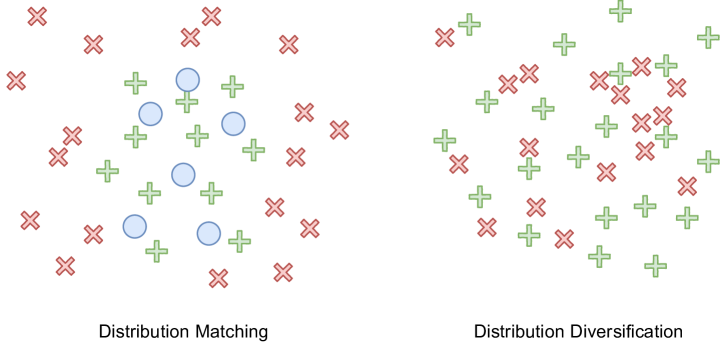
- 分布のマッチングと多様化、データポイント対データセットの調整、二値出力対自然数出力などの次元に沿ってデータ選択手法を分類する。
- 事前学習、指示チューニング、整合性等の訓練段階別に調査を整理し、各段階の代表的な手法を論じる。
- 言語フィルタリング、ヒューリスティックなアプローチ、データ品質、重複排除、毒性フィルタリング、多言語フィルタリング、データ混合の分類法(タキソノミー)と叙述的レビューを提供する。
- 実世界の設定でデータ選択を適用する際の実用的な考慮事項、トレードオフ、ツールを特定する。
実験結果
リサーチクエスチョン
- RQ1言語モデルの既存のデータ選択手法は何であり、それらは統一的なフレームワーク内でどのように分類できるか。
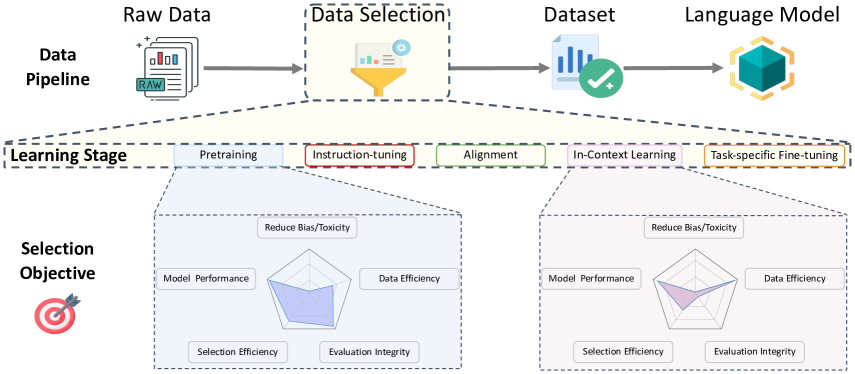
- RQ2訓練段階(事前学習、指示チューニング、整合、インコンテキスト学習、タスク特化ファインチューニング)ごとにデータ選択の目的はどのように異なり、どんなトレードオフが生じるか。
- RQ3文献にはどのようなギャップと未解決の問題が存在し、データ選択研究にとって最も有望な今後の方向性は何か。
主な発見
- 著者らは、分布のマッチングと多様化を対比し、データポイント対データセットレベルの調整を区別する統一的な概念フレームワークと分類法を提示する。
- 彼らは事前学習データ選択の広範な手法を調査しており、言語フィルタリング、ヒューリスティックフィルタリング、データ品質、重複排除、毒性フィルタリングなどを含む。
- 本論文はデータ選択の段階別目標(例:事前学習における効率と性能;微調整におけるターゲット信号)を強調し、スケールでフィルタを適用する際の実用的なトレードオフと課題を論じる。
- 文献の未充足領域として、混合文書内の多言語コードデータ検出の向上の必要性やデータ源の変化する状況を挙げ、研究の加速とターゲット分布の理解を深める方向を提案する。
- 評価の完全性、記憶化と一般化、モデル訓練からデータ処理への計算時間の変化を、データ選択の重要な要因として強調している。
この論文を読む
Nubintのビューアで原文を開き、読みながら気になる箇所をすぐに質問できます。
Nubintでこの論文を読むこのレビューはAIが論文の原文をもとに作成しました。引用する前に原文をご確認ください。