
[論文レビュー] A Survey on Recent Advances in LLM-Based Multi-turn Dialogue Systems
tldr: 本調査はLLMベースのマルチターンダイアログシステムを概観し、LLMのタイプと適応手法、オープンドメインおよびタスク指向ダイアログの進展、データセット、指標、および今後の課題を詳述します。
This survey provides a comprehensive review of research on multi-turn dialogue systems, with a particular focus on multi-turn dialogue systems based on large language models (LLMs). This paper aims to (a) give a summary of existing LLMs and approaches for adapting LLMs to downstream tasks; (b) elaborate recent advances in multi-turn dialogue systems, covering both LLM-based open-domain dialogue (ODD) and task-oriented dialogue (TOD) systems, along with datasets and evaluation metrics; (c) discuss some future emphasis and recent research problems arising from the development of LLMs and the increasing demands on multi-turn dialogue systems.
研究の動機と目的
- マルチターン・ダイアログにおける下流タスクへLLMを適応させるための既存のLLMsとアプローチを要約する。
- オープンドメインおよびタスク指向のシステムを含むマルチターン対話システムの最近の進展を、データセットと評価指標とともに詳述する。
- LLM開発とマルチターンダイアログにおける高まる需要から生じる今後の重点領域と研究課題について論じる。
提案手法
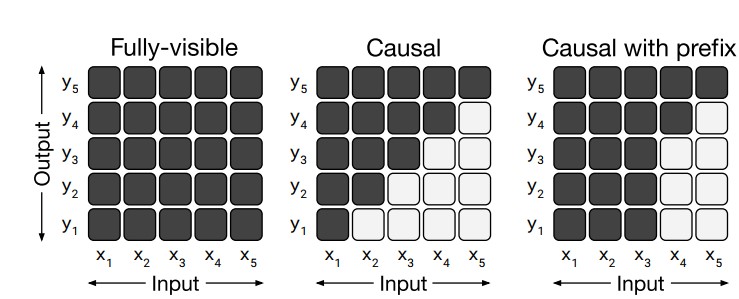
- Decoder-only、encoder-only、そしてencoder-decoderトランスフォーマーアーキテクチャを含むLLMsの一般的手法を概説する。
- 完全微調整(full fine-tuning)およびアダプター、LoRA、命令微調整(instruction fine-tuning)などのパラメータ効率的微調整(PEFT)技術を説明する。
- 微調整の不安定性を緩和する戦略とロバスト性手法(R3F、R4F、SMART、FreeLB)を論じる。
- 離散型(PVPベース)プロンプトによるプロンプトチューニングと連続プロンプトを含むプロンプトエンジニアリング手法を説明し、PET、LM-BFF、PTRなどの手法も併記する。
実験結果
リサーチクエスチョン
- RQ1マルチターンダイアログシステムで使用される普及しているLLMsとアーキテクチャファミリーは何か?
- RQ2下流の TOD/ODD サブタスク(FFT、PEFT、instruction tuning)へLLMsを適応させるのに有効な方法は何か?
- RQ3現在のLLM技術でオープンドメインおよびタスク指向の対話システムはどのように構築され、評価されているか?
- RQ4この進化する領域で標準的なデータセットと評価指標は何か、また残る課題は何か?
主な発見
- LLMsはスケーリングとアーキテクチャの多様性(decoder-only、encoder-only、そしてencoder-decoder)を通じて、マルチターンダイアログシステムにおける性能向上を大きく実現する。
- 微調整は完全に行うことも、アダプターやLoRAなどのパラメータ効率的手法を用いて事前学習済み知識を保持しつつリソース使用を削減することも可能である。
- 命令微調整と人間のフィードバックによる強化学習は、整合性とタスク性能を向上させる。
- 離散プロンプト(PET、LM-BFF)を含むプロンプトエンジニアリングとチューニング不要プロンプティングは、下流タスクの性能に大きな影響を与える。
- 微調整の不安定性を緩和することが重要で、R3F/R4F、SMART、および敵対的訓練などの手法が提案されている。
- 対話特化型の新しいモデルとファミリー(GPT、LLaMA、GLM、ChatGLM、Code Llama)およびその対話特化変種が分野を前進させている。

この論文を読む
Nubintのビューアで原文を開き、読みながら気になる箇所をすぐに質問できます。
Nubintでこの論文を読むこのレビューはAIが論文の原文をもとに作成しました。引用する前に原文をご確認ください。