
[論文レビュー] Adapting LLMs for Efficient Context Processing through Soft Prompt Compression
本稿では、自然言語要約と学習可能なソフトプロンプトを組み合わせることで、長文のコンテキストを圧縮するフレームワークであるSoftPromptCompを提案する。動的圧縮と情報保持最適化のための重み付け機構を用いることで、処理時間を最大80.1%まで短縮しつつ、複数の自然言語処理タスクでモデル性能を維持または向上させた。
The rapid advancement of Large Language Models (LLMs) has inaugurated a transformative epoch in natural language processing, fostering unprecedented proficiency in text generation, comprehension, and contextual scrutiny. Nevertheless, effectively handling extensive contexts, crucial for myriad applications, poses a formidable obstacle owing to the intrinsic constraints of the models' context window sizes and the computational burdens entailed by their operations. This investigation presents an innovative framework that strategically tailors LLMs for streamlined context processing by harnessing the synergies among natural language summarization, soft prompt compression, and augmented utility preservation mechanisms. Our methodology, dubbed SoftPromptComp, amalgamates natural language prompts extracted from summarization methodologies with dynamically generated soft prompts to forge a concise yet semantically robust depiction of protracted contexts. This depiction undergoes further refinement via a weighting mechanism optimizing information retention and utility for subsequent tasks. We substantiate that our framework markedly diminishes computational overhead and enhances LLMs' efficacy across various benchmarks, while upholding or even augmenting the caliber of the produced content. By amalgamating soft prompt compression with sophisticated summarization, SoftPromptComp confronts the dual challenges of managing lengthy contexts and ensuring model scalability. Our findings point towards a propitious trajectory for augmenting LLMs' applicability and efficiency, rendering them more versatile and pragmatic for real-world applications. This research enriches the ongoing discourse on optimizing language models, providing insights into the potency of soft prompts and summarization techniques as pivotal instruments for the forthcoming generation of NLP solutions.
研究の動機と目的
- 長文ドキュメントを処理する際のLLMの計算非効率性とコンテキスト窓の制限を解決すること。
- 下流の自然言語処理タスクでの性能を損なわず、モデルの効率性を向上させること。
- 圧縮された学習可能なソフトプロンプトを通じて、長文コンテキストの意味的有用性と転移可能性を保持する手法を開発すること。
- 高スループットかつ低レイテンシを要する実世界の応用におけるLLMのスケーラブルな展開を可能にすること。
- ソフトプロンプト圧縮を自然言語要約と統合し、コンテキスト管理を改善すること。
提案手法
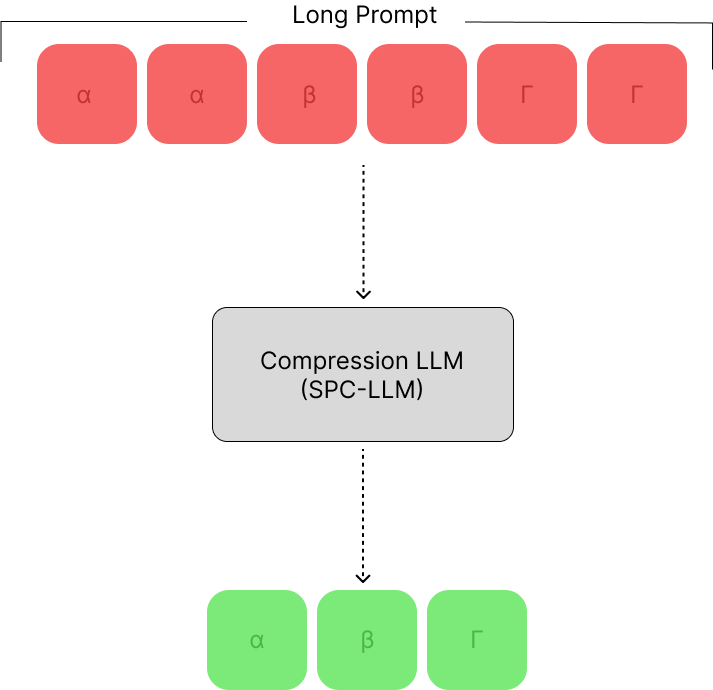
- フレームワークは、事前学習済みの要約モデルを用いて、長文の入力テキストを要約し、内容豊富な自然言語要約に圧縮する。
- これらの要約は、微分可能パラメータとして最適化される学習可能なソフトプロンプトとして埋め込まれる。
- 顕著な情報を優先し、有用性と圧縮率のバランスを取るために、動的重み付け機構が適用される。
- 圧縮されたソフトプロンプト表現が、LLMの入力シーケンスに挿入され、効果的なコンテキスト窓の延長が実現される。
- 意味的忠実度とタスク性能の維持を目的に、要約損失と下流タスク損失の組み合わせを用いてエンドツーエンドで学習される。
- フレームワークは、SQuAD2.0、CNN/Daily Mail、SST-2、AG Newsを含む多様な自然言語処理ベンチマークで評価されている。
実験結果
リサーチクエスチョン
- RQ1ソフトプロンプト圧縮と自然言語要約を組み合わせることで、LLMの推論時間を効果的に短縮しつつ、コンテキスト品質を維持できるか?
- RQ2圧縮されたソフトプロンプトは、完全なコンテキスト入力と比較して、下流タスク性能を維持または向上させられるか、その程度はいかほどか?
- RQ3重み付け機構は、圧縮表現における情報保持とモデル有用性にどのように影響するか?
- RQ4本フレームワークは、質問応答、センチメント分析、テキスト分類などの多様な自然言語処理タスクに一般化可能か?
- RQ5異なるデータセットにおいて、コンテキスト圧縮比と性能低下のトレードオフはどのようなものか?
主な発見
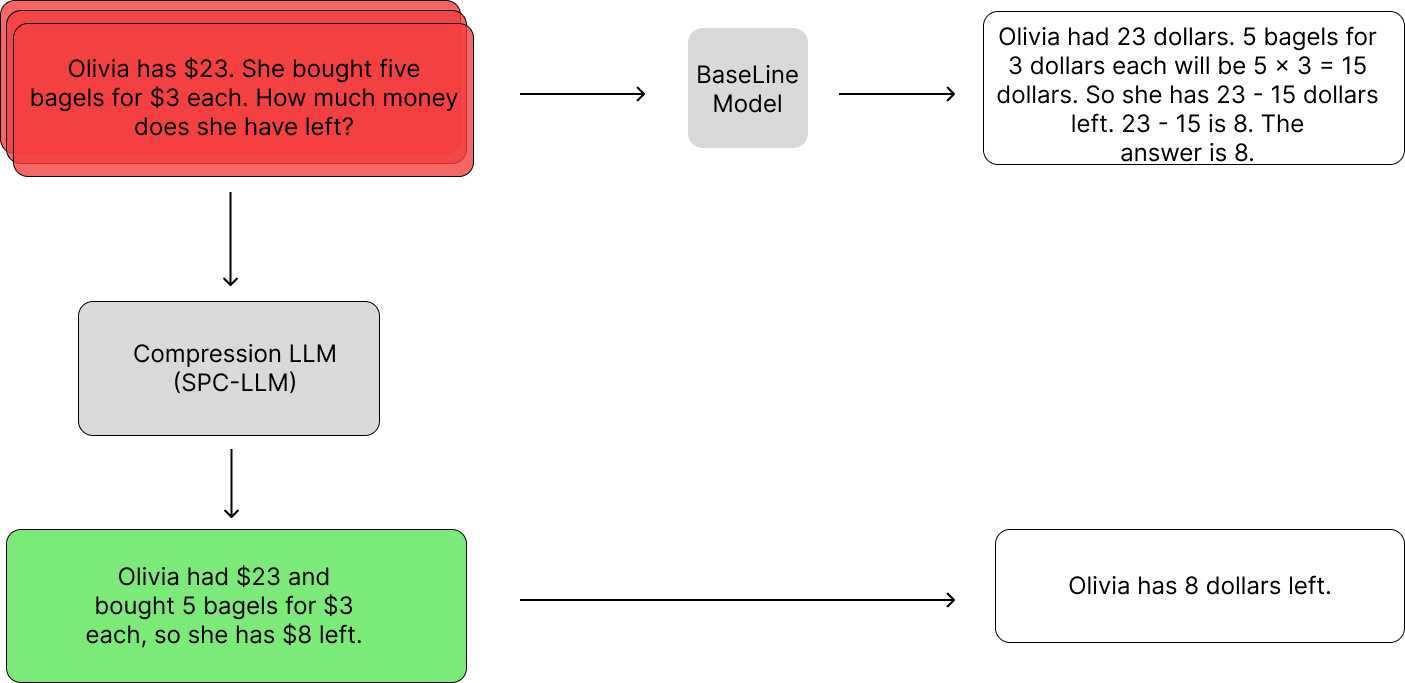
- SQuAD2.0データセットでは処理時間を最大80.1%まで短縮し、CNN/Daily Mail、SST-2、AG Newsでも同様の効果が確認された。
- 評価されたすべてのベンチマークでモデル性能を維持または向上させたことから、圧縮にもかかわらず強力な有用性の保持が示された。
- ソフトプロンプト圧縮フレームワークは、ベースとなるLLMのアーキテクチャを変更することなく、顕著な計算的コスト削減を達成した。
- 要約とソフトプロンプトの統合により、意味的豊かさとタスク関連性を保持した効果的なコンテキスト管理が可能になった。
- 重み付け機構は、重要な情報を効果的に優先し、圧縮効率と下流タスク性能の両方を向上させた。
- 本手法は、質問応答、センチメント分析、テキスト分類を含む複数の自然言語処理タスクにおいて、優れた一般化性能を示した。
より良い研究を、今すぐ始めましょう
論文の読解から最終レビューまで、研究時間を劇的に削減しましょう。
クレジットカード登録不要
このレビューはAIが作成し、人間の編集者が確認しました。