
[論文レビュー] Combining Generative Artificial Intelligence (AI) and the Internet: Heading towards Evolution or Degradation?
本研究は、実データとAI生成データを混在させてモデルを訓練すると出力品質が低下するかを調べ、差分拡散モデルの実験で可能な劣化を示す予備的な結果を提示する。
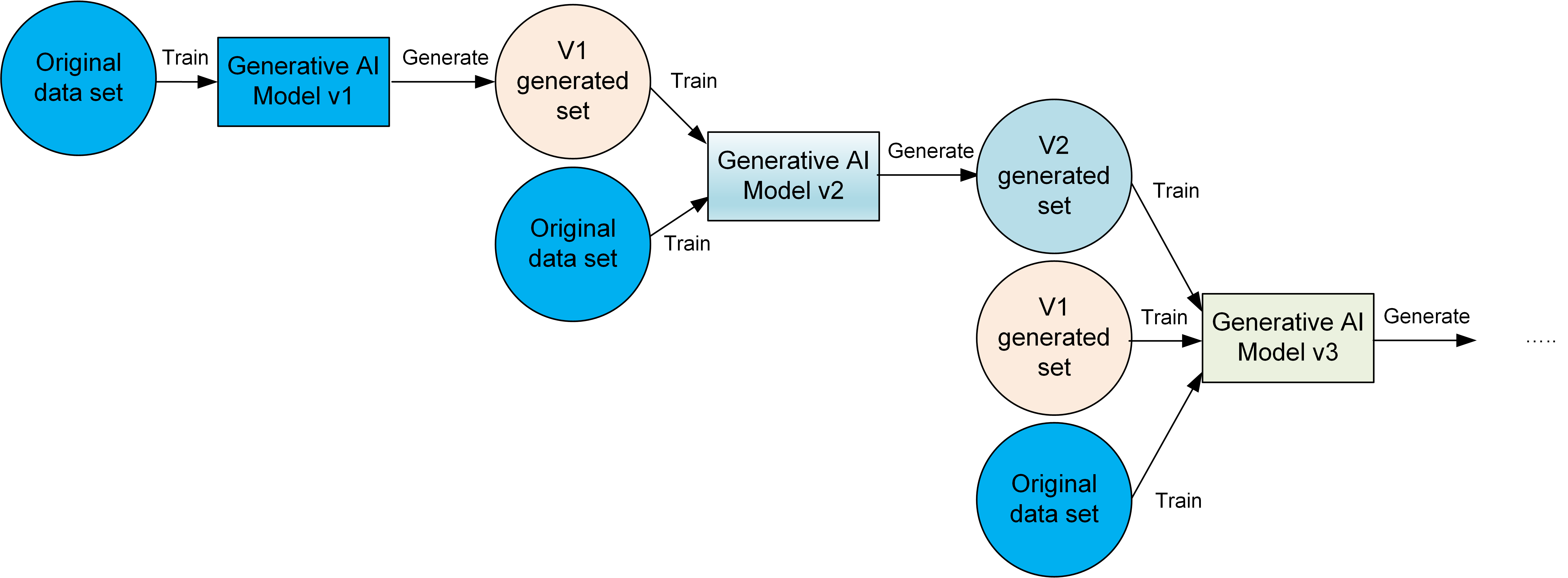
In the span of a few months, generative Artificial Intelligence (AI) tools that can generate realistic images or text have taken the Internet by storm, making them one of the technologies with fastest adoption ever. Some of these generative AI tools such as DALL-E, MidJourney, or ChatGPT have gained wide public notoriety. Interestingly, these tools are possible because of the massive amount of data (text and images) available on the Internet. The tools are trained on massive data sets that are scraped from Internet sites. And now, these generative AI tools are creating massive amounts of new data that are being fed into the Internet. Therefore, future versions of generative AI tools will be trained with Internet data that is a mix of original and AI-generated data. As time goes on, a mixture of original data and data generated by different versions of AI tools will populate the Internet. This raises a few intriguing questions: how will future versions of generative AI tools behave when trained on a mixture of real and AI generated data? Will they evolve with the new data sets or degenerate? Will evolution introduce biases in subsequent generations of generative AI tools? In this document, we explore these questions and report some very initial simulation results using a simple image-generation AI tool. These results suggest that the quality of the generated images degrades as more AI-generated data is used for training thus suggesting that generative AI may degenerate. Although these results are preliminary and cannot be generalised without further study, they serve to illustrate the potential issues of the interaction between generative AI and the Internet.
研究の動機と目的
- インターネットへ戻って流入するAI生成データが将来の生成系AIモデルにどのような影響を与え得るかを動機づけ、探究する。
- 実データとAI生成データを混合して訓練した連続的な世代が品質を劣化させるかを評価する。
- 進化するAIシステムにおける劣化やバイアスに影響を与える要因を特定する。
提案手法
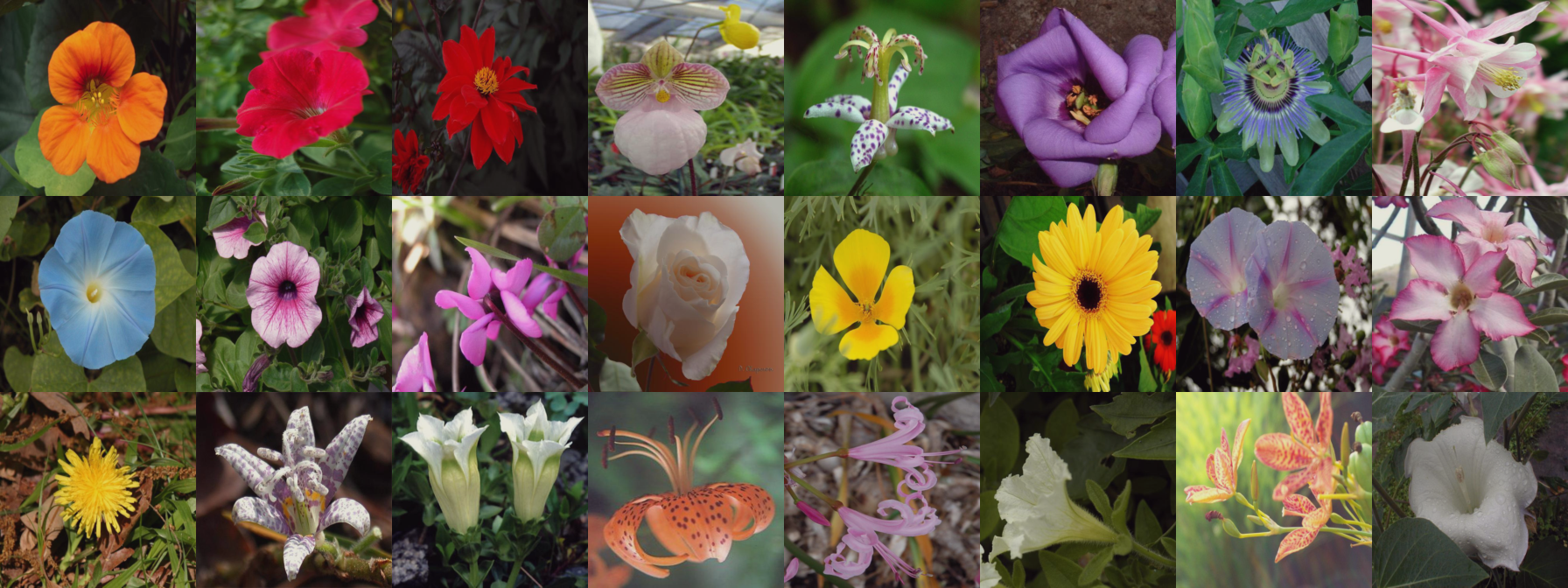
- Oxford Flowersデータセットで訓練した単純なdenoising diffusion implicit model (DDIM)を用いて合成画像を生成する。
- AI生成画像を用いて訓練データを増強して複数の世代のモデルを作成する(V1、V2、V3 など)。
- α(アルファ)を、各世代に追加されるAI生成データの既存の訓練セットに対する比率として導入する。
- 世代間での画像品質への影響を評価するため、異なるα値(0.5、1、2)で実験する。
- 劣化を観察するために訓練エポック数を増やすなどの緩和策をテストする(例:80エポック)。
実験結果
リサーチクエスチョン
- RQ1実データとAI生成画像の混合で訓練すると、拡散モデルの後続世代で劣化を引き起こすか。
- RQ2α(AI生成データの割合)は、世代を重ねるごとに生成画像の品質にどのように影響するか。
- RQ3訓練の取り組みを増やすこと(例:より多くのエポック)によって劣化を緩和または遅延させることができるか。
主な発見
- 前のAI生成データで訓練された場合(α=1)で、各新しい世代ごとに生成画像の品質が劣化する。
- αが低い(0.5)は劣化を減らすが完全には除去せず;高いα(2)は劣化を加速させる。
- 実験ではエポック数を増やしてもα=1の場合の劣化は持続する。
- Oxford Flowersデータセットを用いる単純な拡散モデル設定で劣化が実証されている。
この論文を読む
Nubintのビューアで原文を開き、読みながら気になる箇所をすぐに質問できます。
Nubintでこの論文を読むこのレビューはAIが論文の原文をもとに作成しました。引用する前に原文をご確認ください。