
[論文レビュー] Enhancing Q&A with Domain-Specific Fine-Tuning and Iterative Reasoning: A Comparative Study
この論文は、FinanceBench における RAG ベースの Q&A において、埋め込みと生成モデルのドメイン特化ファインチューニングと反復推論(OODA)を評価し、特に OODA で著しい精度向上を示している。
This paper investigates the impact of domain-specific model fine-tuning and of reasoning mechanisms on the performance of question-answering (Q&A) systems powered by large language models (LLMs) and Retrieval-Augmented Generation (RAG). Using the FinanceBench SEC financial filings dataset, we observe that, for RAG, combining a fine-tuned embedding model with a fine-tuned LLM achieves better accuracy than generic models, with relatively greater gains attributable to fine-tuned embedding models. Additionally, employing reasoning iterations on top of RAG delivers an even bigger jump in performance, enabling the Q&A systems to get closer to human-expert quality. We discuss the implications of such findings, propose a structured technical design space capturing major technical components of Q&A AI, and provide recommendations for making high-impact technical choices for such components. We plan to follow up on this work with actionable guides for AI teams and further investigations into the impact of domain-specific augmentation in RAG and into agentic AI capabilities such as advanced planning and reasoning.
研究の動機と目的
- 高リスク分野(金融)での LLM と RAG を用いた QA システムのドメイン特化適応を動機づける。
- 埋め込みリトリーバと LLM ジェネレーターのファインチューニング、そして反復推論(OODA)による QA 精度の向上を定量化する。
- エンジニアリングの意思決定を導く主要な QA コンポーネントの設計空間フレームワークを提案する。
- FinanceBench の金融データセットを用いた実証結果で推奨を裏付ける。
提案手法
- ベースラインの RAG ワークフロー(リトリーバー、アンジェアー、ジェネレーター)を定義する。
- 埋め込みリトリーバーと LLM ジェネレーターのファインチューニング、そして両方の完全ファインチューニングを調査する。
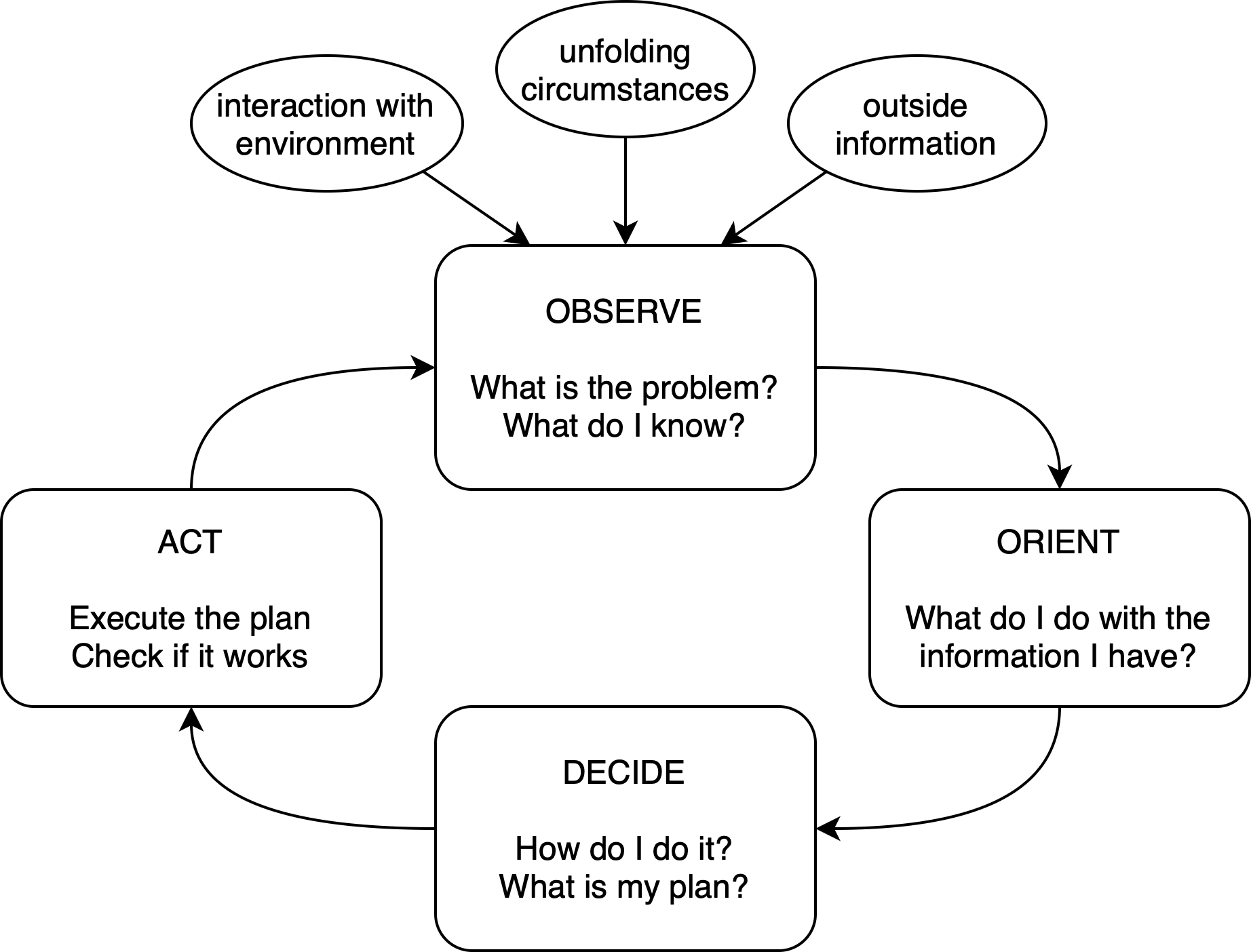
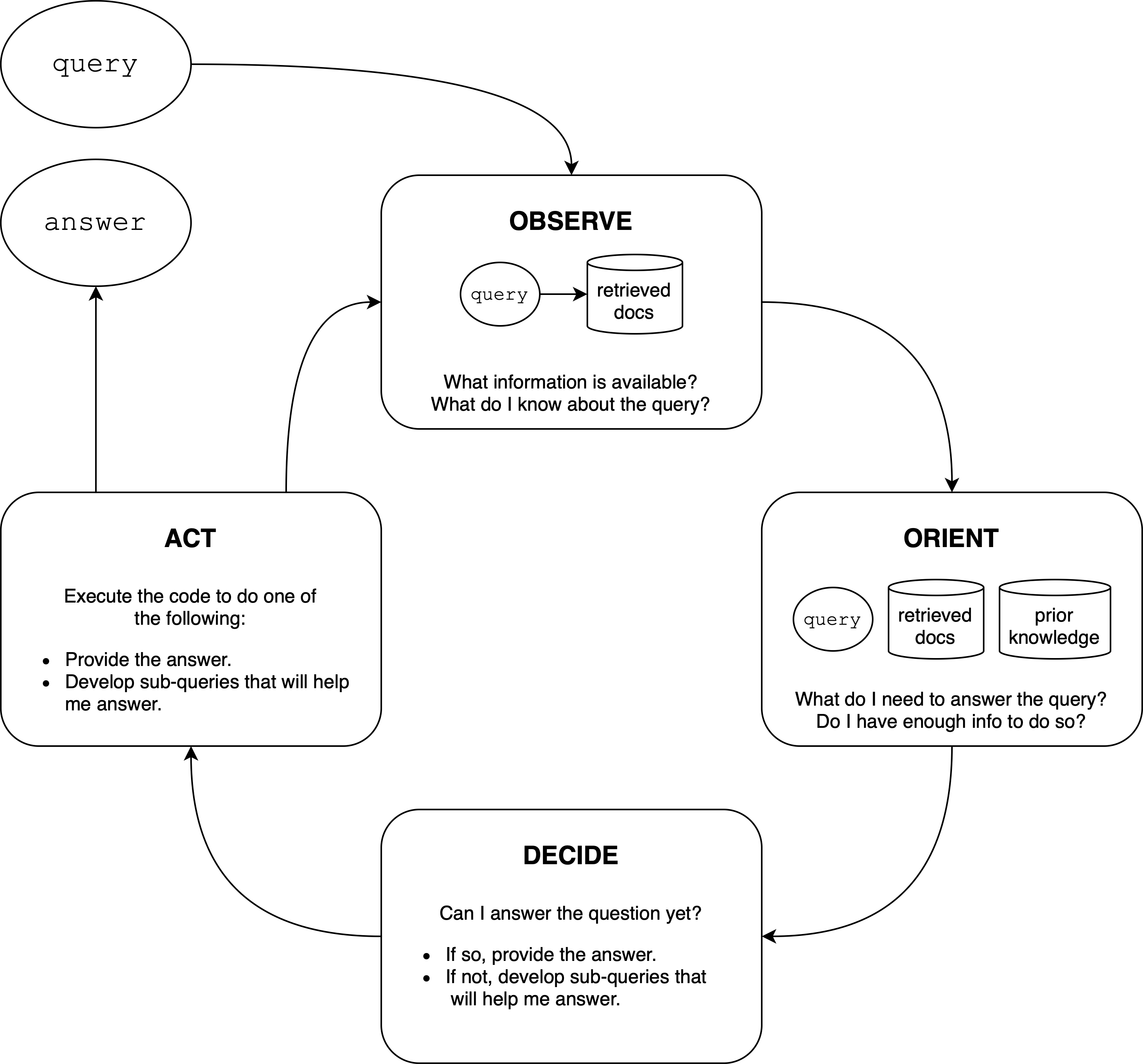
- RAG を用いた多段階質問回答に OODA 推論ループを導入する。
- 自動取得指標と人手で注釈された正確性を用いて FinanceBench 上の構成を評価する。
- 主要な QA コンポーネントとその構成のデザインスペースマップを提示する。
実験結果
リサーチクエスチョン
- RQ1ドメイン特化の埋め込みリトリーバーと LLM ジェネレーターのファインチューニングは、RAG ベースのシステムの QA 精度にどのように影響しますか?
- RQ2ドメイン特化タスクにおける反復推論(OODA)の組み込みは、QA 精度にどのような影響を与えますか?
- RQ3金融ドメインの QA タスクにおいて、設計空間のどのコンポーネントが最大の性能向上をもたらしますか?
主な発見
- リトリーバーのファインチューニングは、汎用 RAG に比べて著しい精度向上をもたらし、FinanceBench で最大で 20 ポイントの改善を達成する。
- ジェネレーターのファインチューニングも向上をもたらすが、リトリーバーのファインチューニングほどではない。
- 完全なファインチューニング(リトリーバー + ジェネレーター)は汎用 RAG よりも改善をもたらすが、指標によって利得は異なる。
- RAG に OODA 推論を導入すると性能が大幅に向上し、FinanceBench で汎用RAGより最大で 50 ポイント高い精度を達成する。
- FinanceBench では、OODA 対応の構成が一部の指標で完全にファインチュースされた RAG より 20–25 ポイント高い。
- 本研究は、ドメイン特化の埋め込みファインチューニングを優先し、反復推論を用いてドメイン QA システムを強化することを提唱する。
この論文を読む
Nubintのビューアで原文を開き、読みながら気になる箇所をすぐに質問できます。
Nubintでこの論文を読むこのレビューはAIが論文の原文をもとに作成しました。引用する前に原文をご確認ください。