
[論文レビュー] FAIR Enough: How Can We Develop and Assess a FAIR-Compliant Dataset for Large Language Models' Training?
要約: 本論文は、FAIRデータ原則をLLMのトレーニングライフサイクルに組み込む枠組みを提案し、FAIR準拠のバイアス検出データセットを作成するケーススタディで検証し、モデルとデバイアス除去効果の詳細な評価を含む。
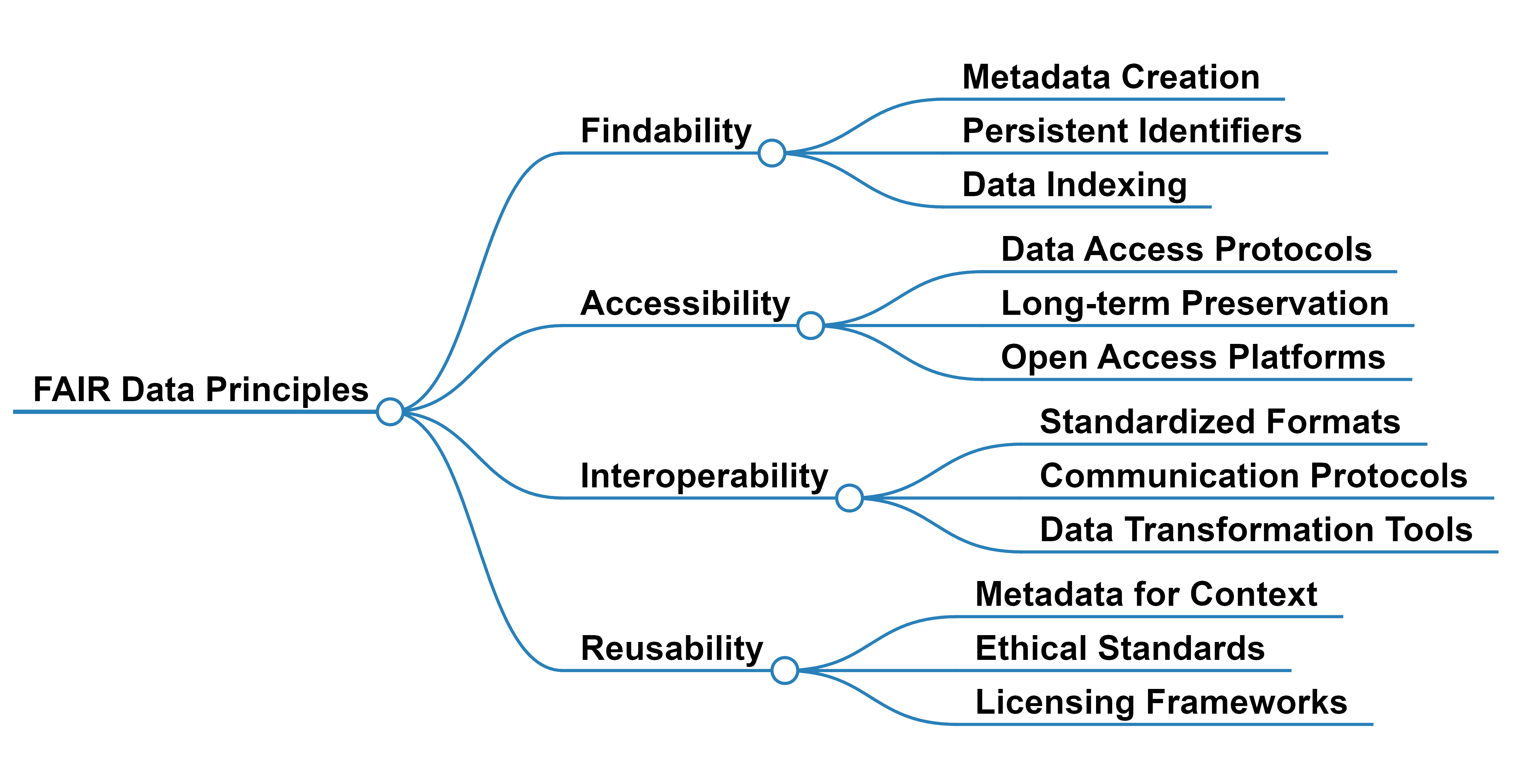
The rapid evolution of Large Language Models (LLMs) highlights the necessity for ethical considerations and data integrity in AI development, particularly emphasizing the role of FAIR (Findable, Accessible, Interoperable, Reusable) data principles. While these principles are crucial for ethical data stewardship, their specific application in the context of LLM training data remains an under-explored area. This research gap is the focus of our study, which begins with an examination of existing literature to underline the importance of FAIR principles in managing data for LLM training. Building upon this, we propose a novel framework designed to integrate FAIR principles into the LLM development lifecycle. A contribution of our work is the development of a comprehensive checklist intended to guide researchers and developers in applying FAIR data principles consistently across the model development process. The utility and effectiveness of our framework are validated through a case study on creating a FAIR-compliant dataset aimed at detecting and mitigating biases in LLMs. We present this framework to the community as a tool to foster the creation of technologically advanced, ethically grounded, and socially responsible AI models.
研究の動機と目的
- FAIRデータ原則を活用してLLMトレーニングにおける倫理的データ統治を改善する。
- LLM開発の各段階にFAIR原則を組み込んだライフサイクル枠組みを開発する。
- LLMsの偏りを識別・緩和することを目的としたFAIR準拠データセットを作成・検証する。
- LLMデータセットにFAIRを実装するための実用的なチェックリストとツールの参照を提供する。
提案手法
- FAIRデータ原則とそれがAIおよびLLMsに関連する点をレビューする。
- データ収集、モデル訓練、評価、デプロイメントにFAIR原則を統合したライフサイクル枠組みを提案する。
- 言語バイアスを検出・低減するため、多様なソースからのケーススタディデータセットを構築し、メタデータと相互運用性機能を備える。
- 標準化されたフォーマットとモデルカードを用いて、バイアス感受性タスクで複数のLLMを訓練・評価する。
- デバイアス後の評価を用いて、バイアス削減とタスク性能のトレードオフを検討する。
実験結果
リサーチクエスチョン
- RQ1FAIRデータ原則をLLMのトレーニングライフサイクル全体にどのように組み込むことができるか。
- RQ2FAIR準拠データセットはLLMsの偏り検出・緩和にどのような実務的利点を提供するか。
- RQ3複数のタスクにおけるデバイアス除去がモデル性能へ与える影響はどのようなものか。
- RQ4データセットとモデルを、探索性・アクセス性・相互運用性・再利用性を最大化するようにどのように文書化できるか。
主な発見
- LLMデータ管理のための包括的なFAIR alignedフレームワークと実用的なチェックリストを提案。
- ケーススタディは、メタデータ、相互運用性形式、長期的なアクセス性を備えたFAIR準拠の偏り焦点データセットの作成を示す。
- FAIRデータセットで訓練されたモデルは、タスク全般で高い初期性能を示す(Table 5に例の指標を提供)。
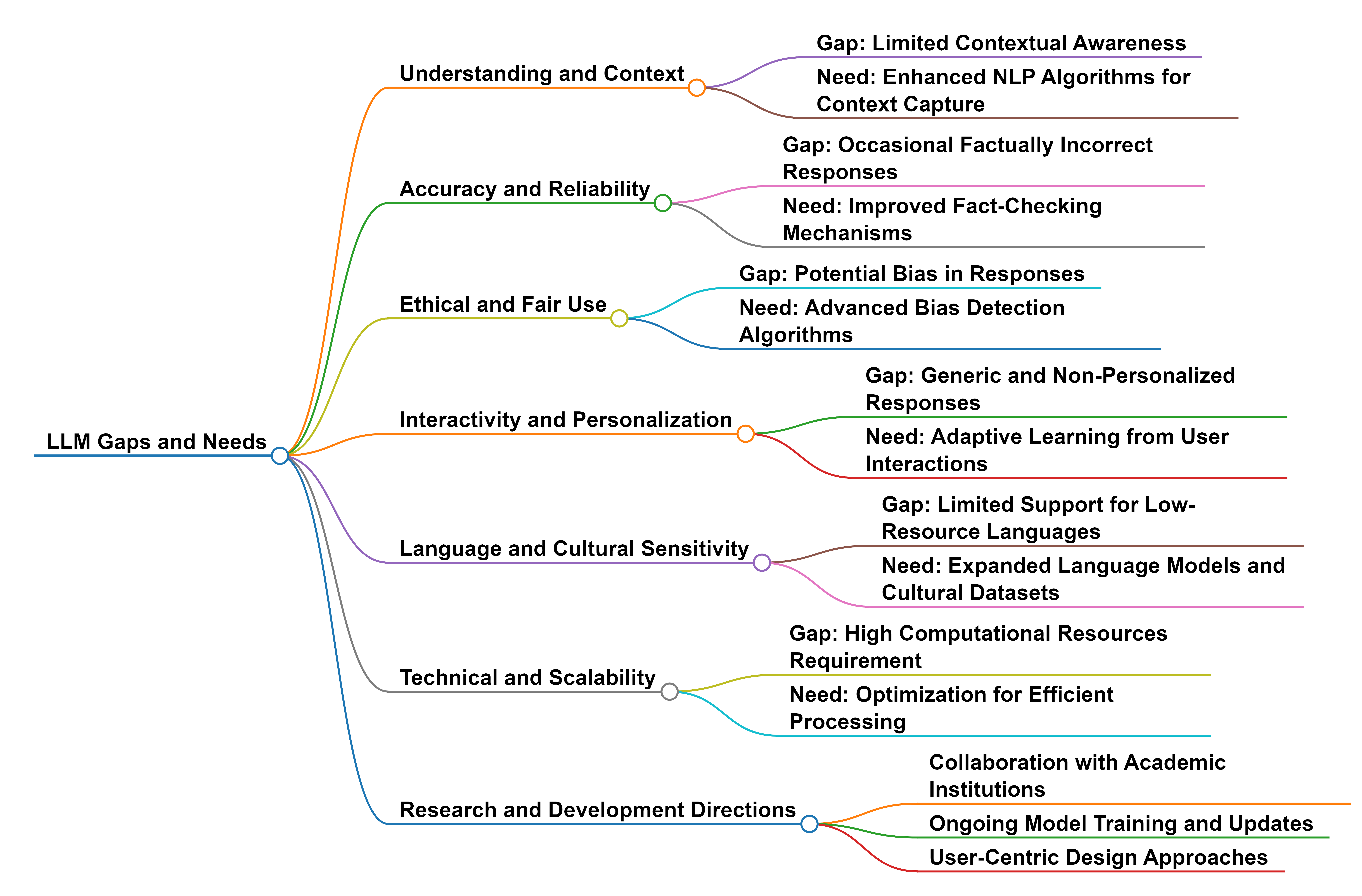
- LLama 2Bおよび関連プロセスを用いたデバイアス除去は有害性および偏りスコアを低減するが、デバイアス除去後のデータで一部の分類性能を低下させる可能性があり、トレードオフを示す。
- 研究は透明性、モデルカード、および公開性を強調し、モデルとデータセットの再現性と再利用性を支援する。
この論文を読む
Nubintのビューアで原文を開き、読みながら気になる箇所をすぐに質問できます。
Nubintでこの論文を読むこのレビューはAIが論文の原文をもとに作成しました。引用する前に原文をご確認ください。